
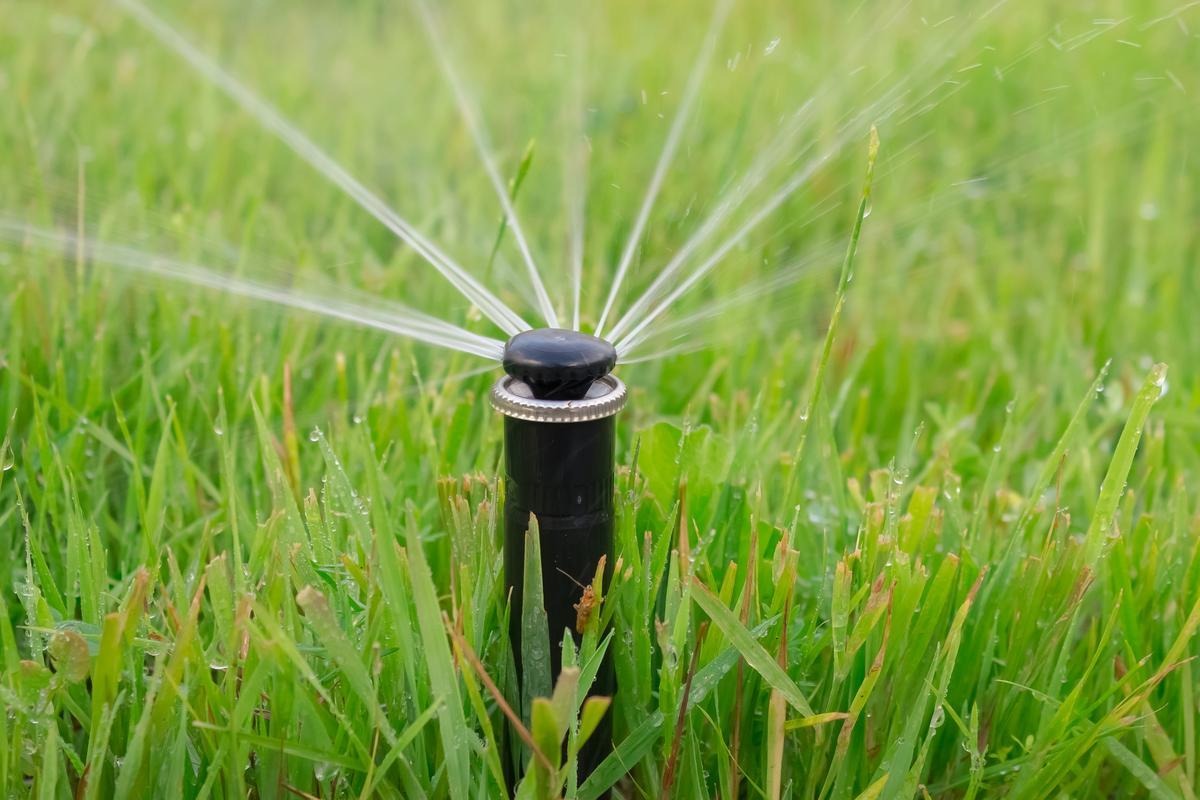
Short Answer: The most common summer sprinkler problems in the Tulsa metro are broken or misaligned heads, stuck valves (zones that will not turn on or off), coverage gaps that create dry spots, controller issues, underground line leaks, and reduced water pressure from various causes. Most of these issues are detectable by running the system and observing each zone, and many can be addressed quickly once identified. The biggest mistake homeowners make is not noticing sprinkler problems until the lawn shows damage, which means weeks of inadequate water before the issue is addressed. Regular visual inspections during morning watering catch problems early. Here is what to look for and what to do about it.
If you have lived in the Tulsa area for more than a year or two, you have almost certainly had a sprinkler problem. It is the nature of the equipment. Underground lines, pressurized valves, moving parts exposed to weather and lawn maintenance, and electrical components all have failure modes. Summer is when these problems become visible because the lawn is actively relying on the system.
Here are the most common issues we see on Tulsa, Broken Arrow, Jenks, and Owasso properties, and what to do about each one.
Broken or Misaligned Heads
This is by far the most common issue. Sprinkler heads get hit by mowers, vehicles, foot traffic, and animals. Cracked heads leak water, geyser straight up, spray onto the wrong surface, or fail to pop up properly.
Signs to watch for:
A specific spot in the lawn is consistently dry while the surrounding area looks fine.
Water visibly spraying onto the driveway, sidewalk, house, or neighboring property.
A head that sits lower than others or is tilted to one side.
A puddle or soft spot near a head after the zone runs.
Fix: Heads are relatively inexpensive and straightforward to replace. A professional can handle a head replacement quickly. DIY homeowners who are comfortable can replace heads themselves, though matching the correct type and nozzle to maintain proper coverage takes some knowledge.
Stuck Valves
Valves control which zones run and when. A stuck valve shows up two ways: a zone that will not run when the controller activates it, or a zone that runs continuously even when the controller is off.
The constantly-running case is especially problematic because it wastes water 24 hours a day until noticed. If you notice your water bill suddenly jumped, a stuck valve is often the culprit.
Signs to watch for:
A zone that will not activate during the normal watering cycle.
Water visibly flowing from heads when the system should be off.
An unusually wet area that stays wet all day.
Unexpectedly high water bills.
Fix: Valve issues usually require professional repair. Sometimes the valve can be cleaned or the solenoid replaced. Other times the full valve needs replacement. The repair is typically not expensive but requires accessing the valve box and occasionally some underground work.
Coverage Gaps
Coverage gaps are dry areas within what should be covered by the sprinkler system. They develop over time as landscape plants grow and block heads, heads wear out and lose their spray pattern, or original design limitations become apparent as the lawn matures.
Signs to watch for:
Persistent dry areas between sprinkler zones.
A specific part of a zone that is always browner than the rest.
Edges of the lawn where the spray does not quite reach.
Fix: Often a head adjustment or an additional head resolves the issue. Sometimes a different nozzle (different spray angle or flow rate) is what is needed. A professional walk-through of the system identifies coverage issues quickly and proposes the right fix.
Controller Issues
The controller is the brain of the system, and when it fails, everything else becomes unpredictable. Controllers can fail from age, electrical surges, lightning strikes, battery issues, or water damage.
Signs to watch for:
The controller display is blank or showing error messages.
The system is not running on schedule, or zones are running out of sequence.
The system runs when it should not, or does not run when it should.
Settings that were correct yesterday are somehow different today.
Fix: Simple issues (battery replacement, reprogramming) are quick fixes. Failed controllers need replacement. New controllers range from basic replacements that duplicate your existing functionality to smart controllers with Wi-Fi and weather-based scheduling that can actually save water over time.
Underground Line Leaks
Underground leaks are the hardest to diagnose because you often cannot see them directly. Symptoms appear indirectly, so catching them requires paying attention to patterns.
Signs to watch for:
Reduced pressure at heads, especially heads that are farthest from the valve.
Constant wet or soft spots in the lawn, particularly after a zone has not run for a while.
Bubbling or water seeping from the ground when a zone runs.
Unusually green patches where a line is leaking below.
Water bills that climb without an obvious cause.
Fix: Underground repairs are more involved. A technician needs to locate the leak (using pressure tests, visual inspection, and occasionally electronic leak detection), dig to expose the damaged section, and repair or replace the affected line. Costs vary based on depth, length, and accessibility.
Pressure Problems
Low water pressure causes poor coverage even when heads are working correctly. Common causes include partially closed valves, a failing pressure regulator, clogged heads or nozzles, underground leaks, municipal water pressure changes, or a backflow preventer issue.
Signs to watch for:
Heads that do not pop up fully or do not spray with enough force to reach the edges of their zone.
Coverage gaps that were not there previously.
Zones that run longer than normal to deliver the same amount of water.
Fix: A professional diagnostic identifies the specific pressure issue. Some fixes are simple (clearing a clog, adjusting a valve). Others involve replacing a pressure regulator or addressing underground issues.
Rain Sensor Failures
The rain sensor prevents the system from running during rain. A failed rain sensor can cause two problems: the system runs during rain (wasted water, saturated soil, disease pressure), or the system will not run at all because the sensor is stuck in the “wet” position.
Signs to watch for:
The system running during or immediately after rain.
The system refusing to run even during extended dry periods.
Fix: Rain sensors are inexpensive and typically easy to replace. Modern wireless models are particularly convenient.
Wiring Issues
The wires running from the controller to the valves can be damaged by digging, lawn maintenance, burrowing animals, or age-related corrosion. Wiring issues show up as specific zones that will not activate from the controller even when the valve itself is fine.
Signs to watch for:
One zone consistently fails to run while others work normally.
Running the zone manually at the valve works, but running it from the controller does not.
Fix: Professional diagnosis identifies whether the issue is the controller, the wiring, or the valve. Wiring repairs can range from simple connection fixes to running new wire across the property.
What Irrigation Repairs Typically Cost in the Tulsa Market
Because pricing is one of the first questions homeowners ask, here are typical ranges we see across the Tulsa metro. Your specific quote depends on accessibility, parts needed, and the scope of the issue, but these ranges are a reasonable starting point:
Service call or system diagnostic: $75 to $150 for a technician to come out, run each zone, and identify what is going on. Some companies apply this fee toward the cost of repairs if you move forward.
Sprinkler head replacement: $65 to $150 per head installed, depending on head type. Spray heads sit at the lower end, rotors at the higher end. When several heads are replaced in one visit, the per-head cost usually comes down.
Valve or solenoid repair: $100 to $250 for a solenoid replacement or valve cleaning. A full valve replacement, including any excavation needed to access the valve box, typically runs $200 to $400.
Controller replacement: $200 to $400 for a straightforward replacement that duplicates your existing setup. Smart Wi-Fi controllers that schedule based on weather and local conditions run $350 to $650 installed.
Rain sensor replacement: $75 to $175 installed, depending on whether the wiring is already in place.
Underground line leak repair: $150 to $400 for accessible leaks with a clear diagnosis. Harder cases involving significant line tracing, extended digging, or lines running under hardscape can run $400 to $800 or more.
Pressure regulator replacement: $125 to $300 installed.
Wiring diagnosis and repair: $150 to $400 depending on how much wire needs to be traced and whether a new run needs to be pulled.
These are industry-typical Tulsa-area ranges, not a quote. The right way to budget for irrigation work is to get a diagnostic visit, have the issue identified specifically, and then price the actual scope of repair.
Why Early Detection Matters
The common thread across all these issues is that early detection dramatically reduces the cost and lawn damage. An issue caught in the first week of its existence is usually a straightforward fix. The same issue unnoticed for a month can cause hundreds of dollars in wasted water plus significant lawn damage.
Walking your property once a week during morning watering, even for just 15 minutes, lets you catch most problems while they are still minor. Make it part of your summer routine.
The pattern we see most often goes like this: one zone underperforms for a few weeks, the homeowner notices a brown patch in July, and by the time we come out, the real cost is the damage to the lawn, not the repair itself. Sprinkler problems are cheap to fix and expensive to ignore. The sooner we see it, the less there is to recover from.
What to Do Next
If your Tulsa metro sprinkler system is acting up, give us a call at (918) 605-4646 or request a quote online. Here is what to expect: we respond the same day, use satellite imaging to measure and assess your property (no walkthrough required, though for irrigation work we can usually be there same day or next), and send you a customized quote within a few days. If it is a fit, your first service is typically within a week. No contracts. Cancel anytime. Your lawn depends on consistent water, and we know how to keep that reliable.