
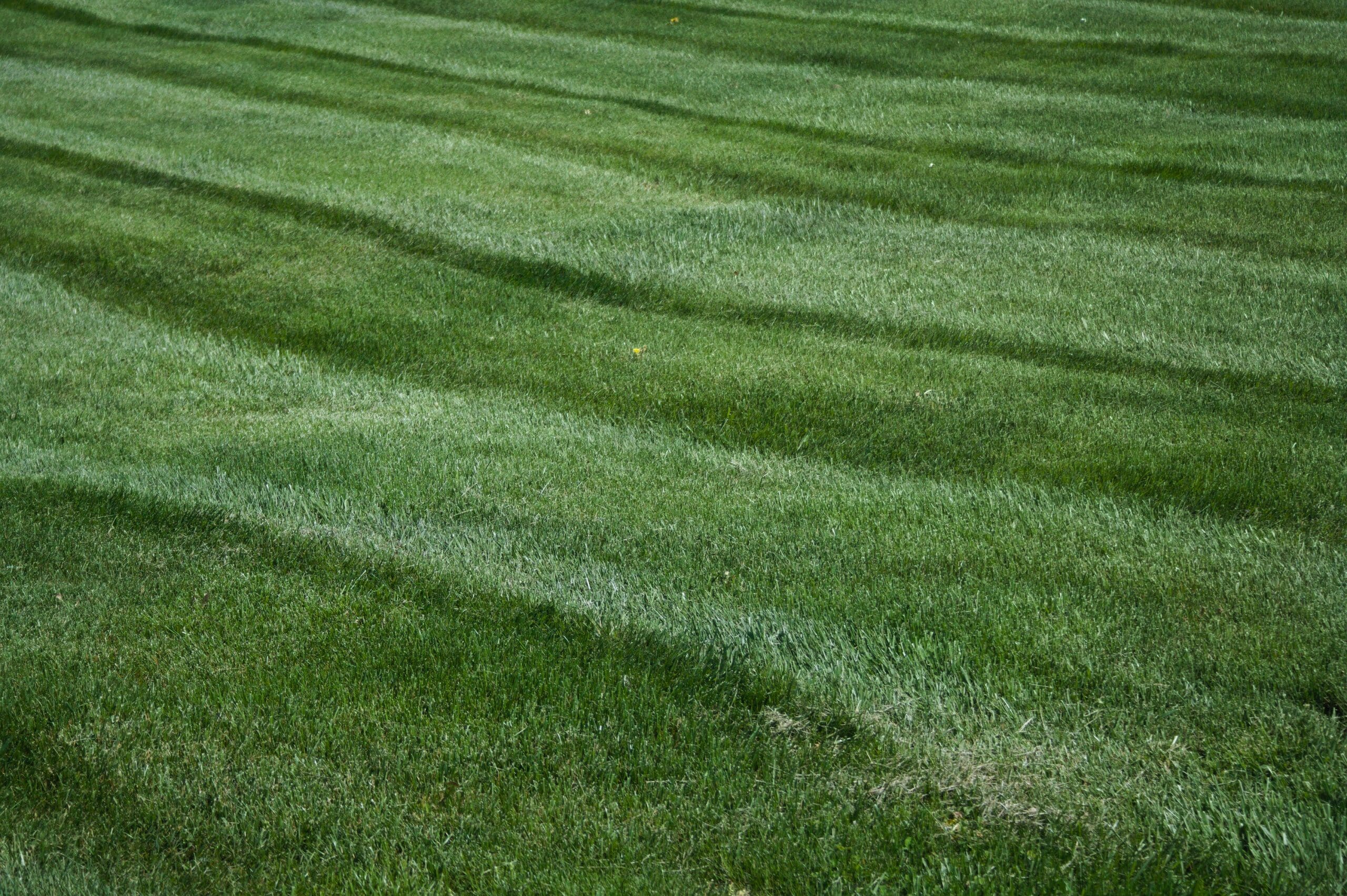
Short Answer: If your Bermuda lawn is yellowing in June, the cause is almost always one of five things: iron deficiency (from high soil pH), early fungal disease, drought stress from shallow watering, nitrogen imbalance, or chinch bug or sod webworm activity in the early stages. Each one looks slightly different and each one has a completely different fix. Adding more fertilizer is the wrong move for at least four of the five causes. A 15-minute diagnostic walk usually identifies which one applies, and a soil test plus a quick pest check resolves the remaining uncertainty.
If you have ever fertilized a yellowing Bermuda lawn and watched it not get any greener, you know how frustrating June can be. The grass is alive but pale. The texture is right but the color is off. The lawn looks tired and you cannot figure out why. We get this call constantly across Tulsa, Broken Arrow, and the surrounding metro, and the diagnosis is almost always one of the same five issues.
Here is how to tell them apart, what to do about each, and why throwing more nitrogen at the problem usually makes it worse.
Cause One: Iron Deficiency (Iron Chlorosis)
Tulsa-area soils run alkaline. Soil pH above 7.0 makes it harder for Bermuda to absorb iron, even when iron is present in the soil. The visual signature is unmistakable once you know it. The grass blades look pale yellow but the veins running through the blade stay green. New growth shows it first. The lawn looks washed out rather than thin.
Adding nitrogen does not fix iron deficiency. It actually makes the symptom worse, because nitrogen pushes growth that the lawn cannot color in. The right fix is a chelated iron application that gets the color back within 7 to 14 days, paired with a longer-term soil correction (typically elemental sulfur) to gradually lower pH.
If your Bermuda yellows the same way every June even with proper fertilization, iron chlorosis is the most likely cause.
Cause Two: Early Fungal Disease
Late spring and early summer is when several fungal diseases become active in our area. Spring dead spot lingers from earlier in the season as patches that never fully greened up. Leaf spot causes irregular yellow patches that look stressed. Pythium and other early summer diseases can show up after wet periods.
The diagnostic clues are pattern and edges. Disease patches are usually circular or have defined borders. They often have a darker ring at the active edge. Sometimes you can see fine web-like mycelium on grass blades on dewy mornings before the dew burns off.
Treatment requires a fungicide labeled for the specific disease, plus watering adjustments (mornings only, deep cycles instead of frequent ones) to reduce surface moisture that disease loves.
Cause Three: Drought Stress From Shallow Watering
This is the most common cause of yellowing Bermuda in June and the most fixable. If your irrigation runs 15 minutes daily, your roots are sitting in the top inch and a half of soil. The surface dries by late morning during a hot stretch and the lawn yellows quickly because the roots are above the dry zone.
The visual signature is gray-blue tinge to the blades, footprints that stay visible after walking on the lawn, and folding of the blade margins inward. Color recovers quickly with one or two deep waterings.
The fix is permanent. Switch to two cycles per week of about half an inch each, applied early morning. The lawn will look slightly stressed for a week as roots reach down, then recover with much more drought-tolerant root depth.
Cause Four: Nitrogen Imbalance
Bermuda is a nitrogen-hungry grass during summer. Lawns that did not get proper spring fertilization or are running on low rates often show pale color in June even without other issues. Conversely, lawns that got too much nitrogen too late in spring can also show yellowing as the lawn drops some of the soft growth it cannot support through heat.
The diagnostic question is what your fertilization history has been. Lawns that have been on a regular program for the year look very different than lawns that have not been fertilized in months.
The fix for under-fertilization is a moderate slow-release summer feeding. The fix for over-fertilization is to wait it out and not add more. A soil test plus knowledge of what has been applied resolves the question definitively.
Cause Five: Chinch Bugs or Sod Webworms in Early Stages
Both chinch bugs and sod webworms can cause yellowing in Bermuda before the damage progresses to visible browning. The early stage looks like generic stress and is easy to miss.
The soap flush test rules in or out chinch bugs in five minutes. Mix two tablespoons of dish soap in a gallon of water, pour over a one-foot square at the edge of a yellowing patch, wait two to five minutes. Surfacing bugs confirm the cause.
Sod webworm damage looks similar but the diagnostic clue is the small moths you may see fluttering up from the lawn at dusk in late May and June. The larvae chew on grass blades at night and can thin a lawn quickly if populations build.
Both pests are treatable with targeted insecticides once confirmed. Skip the broad-spectrum approach and treat what is actually present.
The 15-Minute Diagnostic Walk
Here is the sequence we run when we get a yellow Bermuda call.
Step one: look at color pattern. Veins green and blades pale, with washed-out new growth, points to iron. Even pale yellow across the whole lawn points to nitrogen or watering. Patches with defined edges point to disease.
Step two: footprint and screwdriver tests. Footprints staying visible means drought stress. Screwdriver stopping at 2 inches confirms shallow watering.
Step three: soap flush. If chinch bugs surface, the diagnosis is confirmed. Skip the rest.
Step four: mycelium check at dawn. If circular patches show fine web-like material, brown patch or similar disease is the cause.
Step five: fertilization history review. If none of the above resolves it, the lawn likely needs balanced summer feeding or a soil test for pH issues.
What Not to Do First
Do not jump to fertilizer. Heavy nitrogen on a yellowing lawn without diagnosis frequently makes things worse rather than better. Stop and identify the cause first.
Do not water more daily. Worsens disease, worsens take-all if present, can make chinch bug damage harder to diagnose. Switch to deep infrequent and watch for one or two weeks.
Do not apply iron supplement on a hot day. Iron applications can stain concrete and stress the lawn if temperatures are above 85. Apply early morning during a cooler stretch.
When to Call a Professional
If the 15-minute walk does not resolve it, or if the yellow is spreading despite your interventions, that is the right moment for a professional diagnosis. A soil test plus an experienced visual assessment usually nails the cause and produces a fix that works on the first try rather than the third.
What to Do Next
If your Tulsa metro Bermuda is yellowing and you want a confirmed diagnosis before spending more on products, we are happy to come walk it with you. We will run the diagnostic sequence, pull a soil sample if needed, and recommend the right combination of treatments.
Call us at 918-605-4646 or visit completelawncaretulsa.com. We serve Tulsa, Broken Arrow, and surrounding communities, and we will tell you honestly which of the five causes applies before doing any work.
Frequently Asked Questions
Will adding iron alone fix iron chlorosis permanently?
Iron applications bring the color back within 1 to 2 weeks but do not fix the underlying high soil pH. You will reapply every season unless you also work on long-term soil correction (typically elemental sulfur to gradually lower pH over 1 to 2 years).
How quickly should I see results after diagnosing and treating?
Iron deficiency: visible improvement in 1 to 2 weeks. Drought stress: 2 to 4 weeks after watering adjustment. Fungal disease: 4 to 6 weeks after fungicide and watering changes. Nitrogen issues: 2 to 3 weeks after appropriate fertilization. Chinch bug damage: 4 to 8 weeks after treatment stops the spread.
Can multiple causes happen at the same time?
Yes, and that is what makes the diagnosis tricky on some lawns. Iron chlorosis on a drought-stressed lawn looks different than either condition alone. A soil test plus a careful walk usually untangles overlapping causes.
Is there a “universal” treatment that fixes most yellowing?
No, and any company telling you there is should be a red flag. The wrong treatment for the actual cause can make problems worse. Diagnose first.