Why Fire Ant Mounds Keep Coming Back (And How to Finally Stop Them)
Most DIY treatments only kill worker ants on the surface while the queen survives deep underground — laying up to 800 eggs per day. A professional, science-based approach can break the cycle for good.
The Real Reason Your Fire Ant Treatment Isn't Working
Here in the Tulsa metro, from Broken Arrow to Bixby to Owasso, fire ants are a fact of life during the warm months. You step outside, spot a mound near your sidewalk or next to the house, dump some product on it, and the mound goes quiet. Then two weeks later, there is a new mound three feet away. Or worse, the same mound is back.
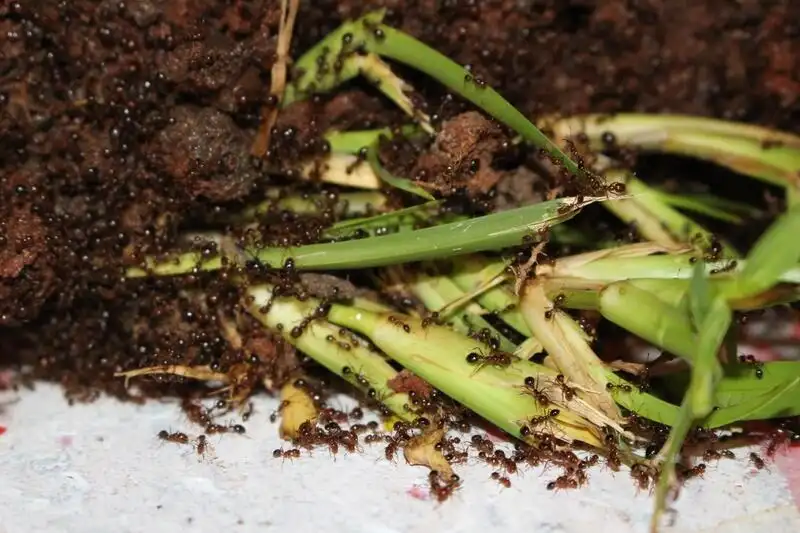
Fire ant colonies are far more complex than most homeowners realize. A mature fire ant colony can house 100,000 to 500,000 worker ants, and the queen lives deep underground in a protected chamber. Fire ants do not enter or exit through the mound itself — they use foraging tunnels that radiate outward, sometimes opening to the surface a foot or more away from the visible mound.
When you pour a store-bought product directly on a mound, the worker ants near the surface may die, but the queen and the bulk of the colony are safely tucked away below. Research has found that nearly half of nearby fire ant nests are connected by shallow underground tunnels, which means disturbing one mound can trigger activity in neighboring mounds you did not even know existed.
Common DIY Mistakes That Let Fire Ants Survive
Most Tulsa homeowners make the same mistakes — and it is not because they are doing anything wrong on purpose. It is because fire ant biology works against the typical DIY approach.
Only Treating Visible Mounds
For every visible mound in your yard, there may be several smaller colonies just getting started. If you only treat the big, obvious mounds, those smaller colonies thrive because you have just eliminated their competition. Within weeks, they grow into the new large mounds you are dealing with.
Using Fast-Acting Contact Killers Only
Products that kill ants on contact feel satisfying but work against you. If the worker ants die before they can carry treated bait back to the queen, the queen survives and the colony lives on. Effective control requires slow-acting products that workers carry deep into the colony.
Using Home Remedies
Boiling water only eliminates about 60% of mounds treated, according to Oklahoma State University research. Gasoline is dangerous and pollutes the soil. Vinegar, dish soap, and baking soda might scatter ants temporarily but almost never eliminate the colony — the ants just move to a new location.
Treating at the Wrong Time
Fire ants forage most actively when soil temperatures are between 72 and 90 degrees. In Tulsa, early morning and early evening during spring through fall are your best treatment windows. Applying bait in a hot July afternoon or right before rain means the ants are not foraging and will not pick up the product.
Why Fire Ants Love the Tulsa Area
Ideal Climate & Soil Conditions
Oklahoma sits in the transition zone where fire ants have been expanding northward for decades. The red imported fire ant was first documented in Oklahoma in the mid-1980s. Our warm, humid summers give fire ants ideal breeding conditions, and our clay-heavy soils help them build deeper, more stable tunnel networks compared to sandy soils.
Preferred Locations in Your Yard
Fire ants prefer open, sunny areas — which describes most Tulsa-area lawns perfectly. They are especially drawn to disturbed soil near foundations, along sidewalks and driveways, around AC units, and in garden beds. Yards backing up to untreated fields or vacant lots face constant reinfestation pressure from neighboring colonies.
Mating Flights After Rain
Mating flights happen most frequently in spring and fall in the Tulsa area, usually after a good rain. Newly mated queens can land anywhere and start a brand-new colony from scratch. A queen only needs a handful of workers to establish a new mound and can build one several hundred feet from her starting point almost overnight.
What Actually Works: A Professional, Science-Based Approach
The most effective fire ant control strategy is not a single product or a one-time treatment. It is a systematic, ongoing approach that treats the entire yard — not just individual mounds — using the right products at the right time based on fire ant biology and seasonal behavior.
Step 1: Broadcast Bait Treatment
A broadcast bait treatment is applied across the entire lawn — targeting colonies you can see and the ones you cannot see yet. Slow-acting bait products are carried back to the colony by worker ants and fed to the queen and brood, spreading throughout the entire colony before taking effect.
Step 2: Targeted Mound Treatment
Individual problem mounds in high-traffic areas — near your patio, along walkways, next to play equipment — are treated with a targeted mound treatment for faster results in those specific spots, while the broadcast bait handles the broader colony network.
Why One Treatment Is Never Enough
Even with the best professional treatment, fire ant control is an ongoing process, not a one-and-done fix.
Populations Recover in 12–18 Months
Fire ant populations can fully recover within 12 to 18 months after the last treatment. Bait products do not create a barrier that prevents new colonies from moving in.
Constant New Queen Pressure
Newly mated queens from mating flights are constantly landing in yards and starting new colonies. If your neighbors are not treating their yards, you are dealing with constant migration pressure from surrounding properties.
Regular Treatments Are Essential
Think of fire ant control like maintaining your lawn. You would not mow your yard once in April and expect it to look good through October. Fire ant control requires regular attention and data-driven adjustments based on what is actually happening on your property.
How to Protect Your Family and Pets from Fire Ant Stings
Teach Kids to Recognize Mounds
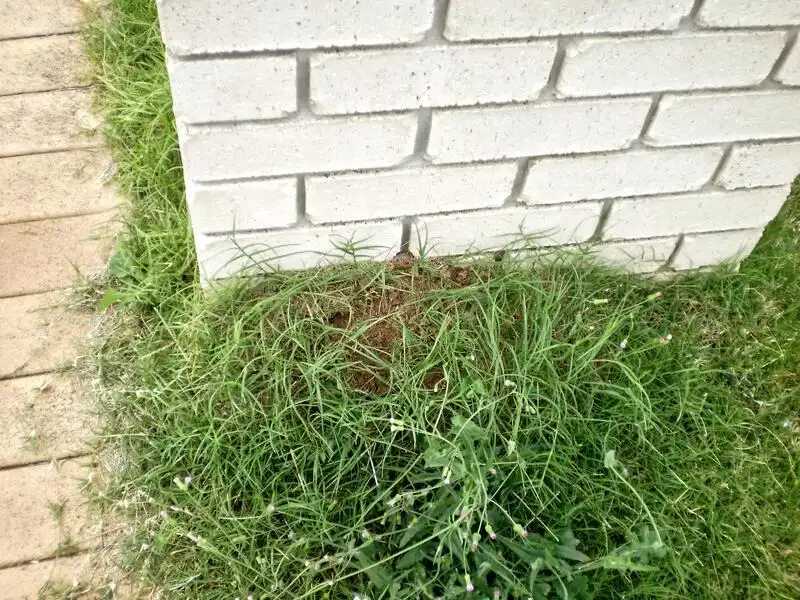
Fire ant mounds are dome-shaped piles of loose, worked soil ranging from a few inches to over 18 inches tall with no visible entrance hole on top. When disturbed, fire ants swarm aggressively and sting repeatedly — unlike most native ants that simply scatter.
Check Your Yard After Rain
Fire ant activity increases after rainfall because moisture softens soil and triggers mound-building behavior. Walk your yard before letting kids or pets play outside, paying attention to areas near your home's foundation, along sidewalks, and around outdoor play equipment.
Know What to Do If Stung
Clean the area with soap and water and apply a cold compress. Fire ant stings typically form small, raised pustules within a day or two. If you notice difficulty breathing, swelling of the face or throat, or dizziness, seek medical attention immediately — some people are allergic to fire ant venom.
Should You DIY or Hire a Professional?
We believe in being honest about this. If you have a small yard with only a few mounds and you are willing to invest the time to learn proper bait application techniques, you can achieve decent results on your own. The key is committing to broadcast bait treatments two to three times per year — spring, midsummer, and fall — rather than just spot-treating individual mounds.
However, if you have a large property, heavy fire ant pressure from surrounding untreated land, or family members who are allergic to fire ant stings, working with a professional pest control team is worth the investment. Professionals have access to commercial-grade products like fipronil-based granules that provide season-long control with a single application — products only available to licensed commercial applicators that outperform anything at your local hardware store.
Complete Lawn Care's Integrated Fire Ant Control Program
Complete Lawn Care's pest control program integrates fire ant control into a comprehensive approach to lawn health. Because we are already on your property regularly for lawn care and fertilization treatments through our 7-step program, we can monitor fire ant activity and respond quickly when new colonies appear. Our programs are continually refined based on real-world results and agronomic science — adjusting throughout the season because turf conditions, weather, and pest pressure are always changing. That is the difference between guessing at pest control and applying what actually works.