
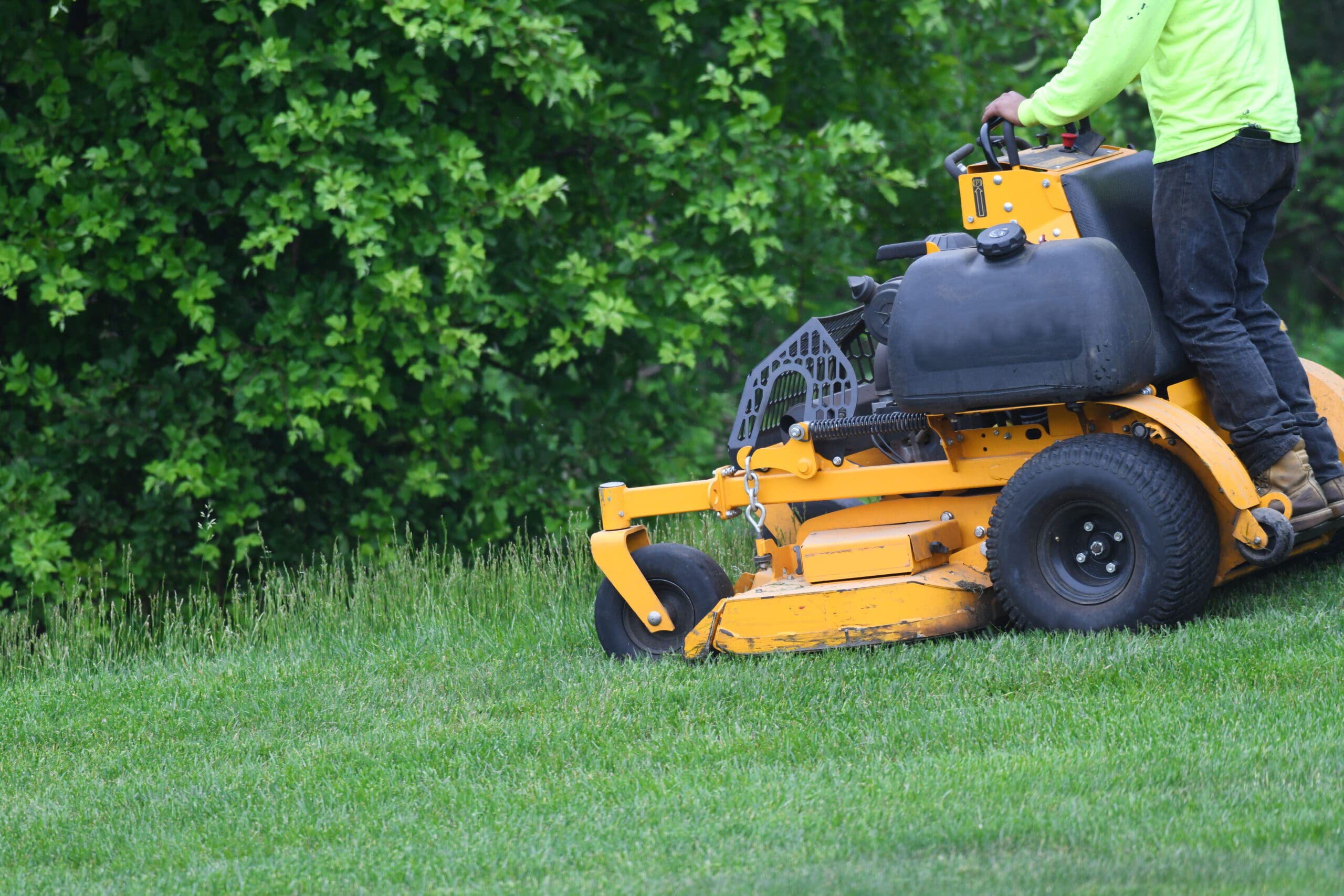
Short Answer: Tulsa metro Bermuda lawns should be mowed at 2.5 to 3 inches during July and August. The taller cut shades soil, reduces soil temperature by 10 to 15 degrees, holds moisture better, blocks weed seedlings, and develops deeper roots. Sharp blades matter even more in summer because torn grass tips dry out faster and create disease entry points. Mowing frequency increases during peak growth on irrigated lawns. Most properties benefit from cutting every four to five days during July. Skipping the height adjustment is one of the most consequential summer lawn care mistakes.
If your Tulsa Bermuda lawn is still being cut at the same height you used in April, July is the moment to change. The mowing height that produces a manicured look in cool weather creates real damage during Oklahoma heat. The taller cut through summer is one of the simplest, free changes that delivers the largest improvement in summer lawn health.
The Physics of Mowing Height and Soil Temperature
Grass blades shade soil. Taller blades shade more soil. Soil under a 1.5-inch Bermuda canopy can run 15 to 20 degrees hotter on a sunny July afternoon than soil under a 3-inch canopy. Hot soil dries out faster, kills beneficial microbes, and stresses roots.
The math is simple. Raise the deck. The soil under your lawn cools by 10 to 15 degrees. Water lasts longer. Roots stay alive. The lawn handles heat with less visible stress.
The Right July Height by Grass Type
Common Bermuda and Hybrid Bermuda
Spring height of 1.5 to 2 inches should move to 2.5 to 3 inches for summer. Some athletic field cultivars handle lower cuts but typical residential Bermuda performs best at the taller height during heat.
Zoysia
Spring height of 1.5 to 2 inches moves to 2 to 2.5 inches for summer. Zoysia generally tolerates lower cuts than Bermuda but still benefits from a summer increase.
Fescue (Cool-Season)
Fescue in transition zone lawns should be at 3.5 to 4 inches through summer. Cool-season grass needs the maximum canopy possible to survive Oklahoma heat.
Mowing Frequency During Peak Growth
Irrigated Tulsa Bermuda in July grows fast. Some properties see three quarters of an inch of vertical growth per week. The one-third rule (never remove more than a third of the blade per cut) means a lawn at 2.5 inches growing three quarters of an inch needs cutting every four to five days, not weekly.
Weekly mowing during peak growth means scalping the lawn every cut. The grass loses too much leaf surface, the soil temperature spikes, and the lawn enters chronic stress. Most homeowners on weekly schedules during July are unknowingly degrading their lawn each cut.
Blade Sharpness
A sharp blade cuts grass cleanly. A dull blade tears grass. Torn grass blades have a white frayed appearance the day after mowing, lose moisture faster, and provide entry points for disease.
Sharpen blades every 20 hours of mowing time. For most residential mowing schedules, that translates to twice per season at least. Cheap blade sharpening services charge $10 to $20 per blade. The cost is trivial compared to the lawn health benefit.
Time of Day for Mowing
Early morning or late afternoon. Avoid midday mowing during peak heat above 95 degrees. Mowing during peak heat stresses the grass and the operator equally.
Avoid mowing wet grass. Wet grass clogs mower decks, creates uneven cuts, and spreads disease pathogens across the lawn.
Mowing Pattern
Vary your mowing pattern between cuts. Always mowing the same direction trains grass to lean that way and produces uneven cuts over time. Alternating cross, diagonal, and straight patterns produces more uniform growth and distributes wear on the lawn surface.
Clipping Management
Return clippings to the lawn when they are short (cut on proper frequency at proper height). The clippings decompose quickly and return nitrogen to the soil. Long clippings from delayed mowing should be bagged because they sit on top of the canopy in clumps that smother the grass beneath.
What Happens When You Skip the Height Adjustment
Properties that stay at spring mowing heights through Oklahoma summer show predictable patterns. Soil temperature elevation increases water needs by 20 to 30 percent. Weed pressure increases because crabgrass and other seedlings reach light easier. Disease pressure increases because the stressed canopy is more susceptible. Visible stress including yellowing, thinning, and patchy browning shows by mid to late July.
The same lawns at proper summer height show much less of any of these issues. It is one of the most clearly demonstrated cause-and-effect relationships in lawn care.
What Customers Often Miss
The visual difference between 1.5-inch Bermuda and 3-inch Bermuda matters less than most homeowners assume. The 3-inch cut looks slightly less manicured but is still very neat. The lawn health benefits dramatically outweigh the small aesthetic difference. Customers who try the taller cut usually keep it through summer because the lawn responds so well.
Mowing for Heat Wave Periods
During multi-day heat above 100 degrees, raise the deck even further (3 to 3.5 inches for Bermuda). Skip a mowing if growth has slowed enough. Sharp blades matter more during heat because torn grass loses water faster. Resume normal patterns when temperatures moderate.
Frequently Asked Questions About Summer Mowing
What about the “scalp and feed” approach in spring?
Some Bermuda programs scalp low in early spring to remove old growth, then resume normal height. This is fine for spring but does not apply to summer mowing.
Should I mulch or bag?
Mulch when clippings are short. Bag when they are long or when disease pressure is high.
What if my service mows weekly only?
Ask them to adjust frequency for peak growth periods. Most professional services accommodate this. If yours will not, the schedule may not match the conditions.
Will higher cuts make my lawn look unkempt?
No. 3-inch Bermuda still looks neat and manicured. The visible difference from 2-inch cut is small.
How do I check if my blade is sharp?
Look at the lawn the day after mowing. If grass tips look white and frayed, the blade is dull. Cleanly cut grass looks the same color the next day.
What to Do This Week
Check your current mowing height with a ruler. Raise the deck if you are below 2.5 inches on Bermuda. Sharpen the blade if you have not this season. Adjust frequency to match growth rate. These three changes typically produce visible improvement within two to three weeks.
How Different Properties Show the Effect
The lawns we walk that have proper summer mowing consistently outperform the lawns at the same address with the same treatment that mow lower. The mowing variable is independent of treatment quality and often produces larger lawn quality differences than the products applied.
One Last Thing
If you only change one thing about your Tulsa lawn care this July, raise the mower deck. It is free, it takes 60 seconds, and it produces more measurable lawn health benefit than any single product application. The taller cut is the most underrated practice in summer lawn care.
What Customers Get Wrong About Summer Mowing
The most common pushback we hear from customers is that taller cuts look unkempt. The visual difference between 1.5 inch and 3 inch Bermuda is small. The lawn health difference is large. Most customers who try the taller cut never go back.
How Mowing Connects to Other Lawn Care
Proper mowing height multiplies the effectiveness of every other treatment. Fertilizer goes further. Pre-emergent works better. Watering is more efficient. The cultural practices stack rather than substitute for treatment.
What We Adjust Through the Year
Our mowing recommendations shift through the season. Early spring: shorter cuts to clear winter debris and stimulate green-up. Late spring through early summer: gradually rising heights as heat builds. Peak summer: maximum height for stress tolerance. Fall: gradual reduction as conditions cool. Winter: minimum maintenance only.
The Compound Effect Over Years
Lawns mowed at proper summer height every July show measurable improvement year over year. Root depth increases. Weed pressure declines. Stress tolerance improves. Each summer of proper mowing makes the next summer easier on the lawn. The compound effect over five years is dramatic compared to lawns kept at low cuts through summer.
What to Do Next
If you want help with any of this, we are glad to walk your property. We will look at your specific lawn, identify what is doing well and what needs attention, and tell you honestly what we recommend.
Call us at 918-605-4646 or visit completelawncaretulsa.com to schedule. We serve homeowners across Tulsa, Broken Arrow, Bixby, Owasso, Jenks, and surrounding communities.