Tulsa Mosquito Control: How Often Do You Really Need Treatments?
In the Tulsa area, most properties need mosquito barrier treatments every three to four weeks from late April or early May through September or October — typically six to eight treatments per season. One treatment will not carry you through the summer. Mosquito control is a season-long commitment, and consistency is what separates properties where mosquitoes are under control from properties where they are not.
Why Every Three to Four Weeks?
Professional barrier treatments use products that bind to vegetation and other surfaces where mosquitoes rest. Those products remain effective for roughly 21 to 28 days before they break down from UV exposure, rain, and natural degradation. After that window, the barrier weakens and mosquito numbers begin to rebuild. Regular retreatment maintains the suppression.
Finite Product Life
Professional barrier treatments remain active for approximately 21 to 28 days. After that, the active ingredients degrade from Oklahoma's intense summer sun, heat, and frequent rain — and are no longer killing mosquitoes effectively.
Rapid Mosquito Reproduction
In peak summer conditions, a mosquito can go from egg to biting adult in as little as 7 to 10 days. A single female can lay 100 to 300 eggs at a time. A five to six week gap gives mosquitoes time to complete two or three full reproductive cycles before the next treatment.
Rain Accelerates Retreatment
Oklahoma's summer storms wash product off treated surfaces and create new standing water for breeding. In a particularly wet stretch, the effective window may be closer to three weeks than four — making a six-week schedule leave your property unprotected for weeks.
Consistency Compounds Over Time
Each treatment kills the current adult population. Over several applications, the overall breeding population on your property drops significantly because fewer adults survive to lay eggs. Stretching the interval breaks this compounding effect and allows the population to recover.
What the Tulsa Mosquito Season Looks Like Month by Month
Oklahoma's mosquito season is long. Understanding what is happening each month helps explain why treatment timing and frequency matter so much.
March – Early April
Pre-season. Mosquitoes begin emerging as temperatures stay above 50°F. Populations are relatively low but the breeding cycle has started. Homeowners with heavy pressure or properties near water may choose to start treatments in April to get ahead of population buildup.
Late April – May
When most mosquito control programs in the Tulsa area should begin. Temperatures are consistently warm and spring rains create abundant standing water. Starting now disrupts the population before it builds momentum. The Tulsa Health Department begins its own surveillance program during this window.
June – August
Peak season. Heat and humidity accelerate the mosquito life cycle. Summer storms create fresh breeding sites with every heavy rain. Missing a treatment during peak season means giving the population a four to six week window to rebuild, which can undo weeks of progress.
September
Mosquito activity typically remains significant through September in Tulsa. This is also the tail end of the highest risk window for West Nile virus in Oklahoma (July through October), so continued treatment through September is both a comfort and health consideration.
October
As overnight temperatures drop below 50°F, mosquito activity declines. Some years the first frost comes in mid-October and ends the season; other years a warm October keeps mosquitoes active into November. The final treatment is scheduled based on actual conditions rather than a fixed date.
Professional Mosquito Barrier Treatments for Tulsa Homes
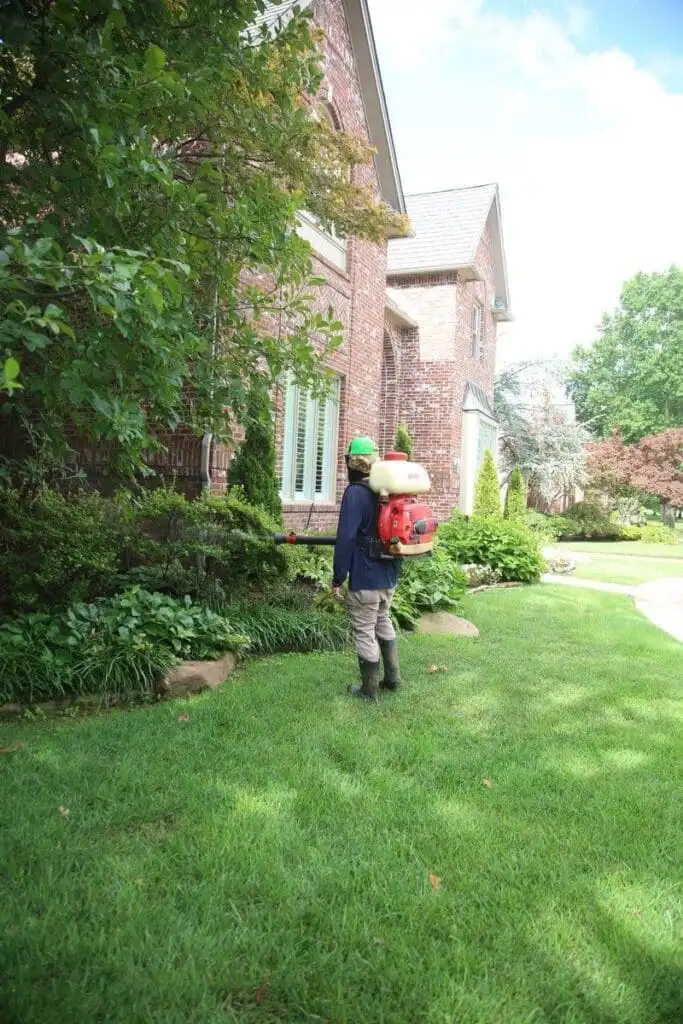
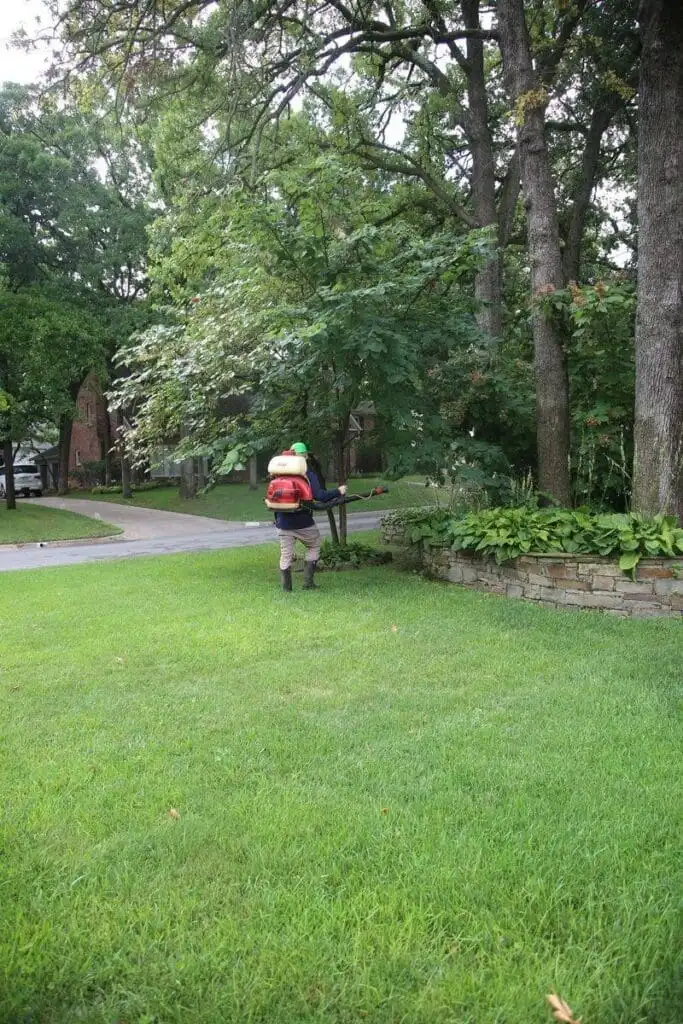
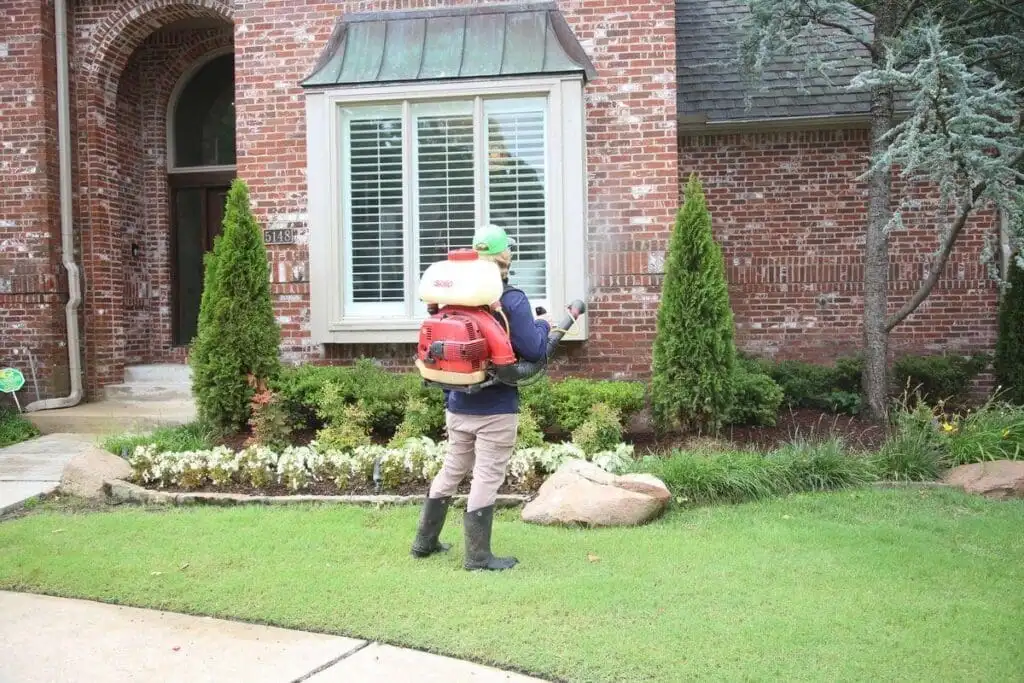
Treatments every three to four weeks maintain the barrier throughout the season — protecting your family during peak mosquito activity and through the late-season West Nile virus risk window.
Factors That May Affect How Often Your Property Needs Treatment
While every three to four weeks is the standard recommendation, some properties may benefit from more frequent treatment during peak months. Here are the factors that influence frequency.
Proximity to Water
Properties near the Arkansas River, Crow Creek, Haikey Creek, or drainage channels throughout the Tulsa metro face heavier mosquito pressure. Neighborhoods in south Tulsa near creek systems, along Riverside, and backing up to retention ponds typically benefit from treatment on the shorter end of the cycle.
Vegetation Density
Mature neighborhoods with large trees, dense landscaping, and established shrub beds provide more harborage than newer developments with minimal vegetation. Shaded, humid microclimates created by dense landscaping are exactly where mosquitoes rest during the day.
Neighborhood Mosquito Management
If your neighbors are also treating their properties, overall mosquito pressure is lower and treatments may last the full four-week window. If your property is the only one being treated, you are likely dealing with more migration from untreated yards, which can reduce each treatment's effective duration.
Standing Water On or Near the Property
Properties with ongoing standing water issues — from poor drainage, a neglected pool, irrigation runoff, or low spots that hold water for days after rain — will see faster mosquito population recovery. Eliminating standing water is the single most impactful thing a homeowner can do to extend the effectiveness of professional treatments.
Weather Patterns
Hot, dry weather can actually reduce mosquito pressure because breeding sites dry up. Conversely, a week of heavy rain followed by warm temperatures creates ideal conditions for rapid population growth. In wet years, the shorter end of the treatment cycle — closer to three weeks — produces better results.
What Happens If You Skip a Treatment or Stop Mid-Season
Life happens. Schedules get disrupted. Here is what to expect if treatments are interrupted.
Skipping One Treatment
You will likely notice a meaningful increase in mosquito activity within two to three weeks after the previous treatment's effective window closes. The population will rebuild, but the next treatment can knock it back down. One missed treatment is recoverable, though you may notice a rough week or two before the program gets back on track.
Skipping Two or More Treatments
Missing six to eight weeks of treatment during June through August is essentially starting over. The mosquito population has had enough time to complete multiple reproductive cycles and rebuild to pre-treatment levels. When treatments resume, it will take two to three applications to regain the level of suppression you had before the gap.
Stopping in July or August
Some homeowners try one or two treatments in May or June and then stop to save money. May and June are the buildup months — July and August are peak season. Stopping treatment right before peak season is like stopping your lawn care program right before summer. You lose the benefit of everything that came before.
Starting Late in the Season
If you do not start treatments until July or August, you are fighting a much larger established population. The first treatment will provide noticeable relief, but it takes two to three treatments to achieve the level of suppression that a property on a consistent program since May has already reached. Starting late is still better than not starting at all, but starting on time produces significantly better results.
Can I Schedule Extra Treatments for Special Events?
Yes. Many Tulsa-area homeowners schedule an additional treatment one to two days before a significant outdoor event — a graduation party, Fourth of July gathering, wedding reception, or any event where guests will spend extended time in the yard.
An event treatment is applied on a tighter timeline than a regular maintenance treatment, ensuring the barrier is at full strength when your guests arrive. This is especially valuable if your regular treatment was applied two to three weeks earlier and you want maximum protection for the event. At Complete Lawn Care, we can accommodate event treatments with advance notice — let us know when you schedule your seasonal program and we can plan the treatment timing around it.
This kind of flexibility is one of the advantages of working with a local provider who manages your schedule directly rather than routing everything through a national call center.