How to Get Rid of Mosquitoes in Your Oklahoma Backyard
Getting rid of mosquitoes in an Oklahoma backyard takes a combination of eliminating standing water where they breed, treating the areas where adult mosquitoes rest during the day, and maintaining consistent control throughout the season. No single product, candle, or trick will solve the problem. But with the right approach, you can reduce their numbers dramatically and make your yard enjoyable again from spring through fall.
Oklahoma's Mosquito Problem Is Serious
Oklahoma is home to more than 60 species of mosquitoes. Our mosquito season typically runs from late April through October, with peak activity from June through September. The Tulsa Health Department monitors mosquito populations throughout the season, and West Nile virus is the most common mosquito-borne illness in our state. This is not just a comfort issue. It is a health issue. And for families who want to spend time outside during the months that matter most, mosquito control is worth taking seriously.
Why Oklahoma Backyards Are a Mosquito Magnet
Our climate and landscape create nearly perfect conditions for mosquitoes to breed and thrive. Before talking about solutions, it helps to understand why Oklahoma has such a significant mosquito problem in the first place.
Heat and Humidity
Mosquitoes thrive in warm, humid conditions, and Oklahoma delivers both for about seven months of the year. Our summer heat accelerates the mosquito life cycle, allowing them to go from egg to biting adult in as little as 7 to 10 days during peak conditions.
Frequent Rainfall and Standing Water
Oklahoma's spring and summer storms fill every low spot, gutter, flower pot, tire, and drainage ditch. Female mosquitoes need as little as a bottle cap of standing water to lay eggs, creating thousands of potential breeding sites after every storm.
Mild Winters
Some mosquito species survive Oklahoma winters by hibernating as adults, while others lay cold-resistant eggs that hatch when water warms in spring. Warmer winters contribute to earlier mosquito emergence and larger populations each year.
Dense Vegetation and Shade
Mosquitoes rest in shaded, cool areas during the heat of the day. Dense landscaping, tall shrubs, ground cover, and heavily treed yards provide exactly the kind of harborage mosquitoes love in Tulsa-area neighborhoods.
What You Can Do Yourself to Reduce Mosquitoes
Before any professional treatment, there are steps every Oklahoma homeowner should take. These do not cost anything, and they make a real difference. Professional mosquito treatments are significantly more effective when homeowners do their part to eliminate breeding sites.
Eliminate Standing Water
Walk your property after every rain and dump anything holding water — bird baths, flower pot saucers, kids' toys, wheelbarrows, old tires, clogged gutters, grill covers, and pet bowls. If it holds water for more than a few days, mosquitoes can breed in it.
Clean Gutters Regularly
Clogged gutters hold standing water at the roofline, and mosquitoes will breed there all season long without you ever seeing them. By the time adults are biting you in the backyard, they may have hatched two stories above your head.
Maintain Water Features
Running water and properly chlorinated pools do not attract mosquitoes. But a neglected pool, a fountain turned off for weeks, or a decorative pond without circulation is a mosquito nursery. Keep water features moving or treat with mosquito dunks (Bti).
Keep Your Lawn Mowed
Tall grass holds moisture and provides resting habitat for adult mosquitoes. A well-mowed lawn dries faster after rain and provides fewer places for mosquitoes to hide. Consistent weekly mowing contributes to mosquito reduction in addition to overall turf health.
Trim Overgrown Vegetation
Dense, overgrown shrubs and ground cover near your home create the cool, shaded environment mosquitoes seek during the hottest part of the day. Thinning out dense vegetation and trimming lower branches improves airflow and reduces harborage.
Use Outdoor Fans
Mosquitoes are weak fliers. A box fan or oscillating fan on your patio can make it difficult for them to land on you. This is one of the simplest and most effective personal protection strategies for outdoor gatherings, and it costs almost nothing.
What Does Not Work as Well as People Think
There is no shortage of mosquito products and gadgets marketed to Oklahoma homeowners. Some of them help. Some of them are mostly marketing. Here is an honest breakdown.
Citronella Candles and Tiki Torches
These provide minimal protection in a small area immediately around the flame. In Oklahoma's evening heat with even a slight breeze, the citronella scent disperses quickly. They will not keep mosquitoes out of your backyard.
Bug Zappers
Studies have shown that the vast majority of insects killed by zappers are beneficial insects like moths and beetles, not mosquitoes. Mosquitoes are attracted to carbon dioxide and body heat, not light. A bug zapper is mostly killing the wrong insects.
Ultrasonic Repellent Devices
These claim to repel mosquitoes with high-frequency sound. Multiple scientific studies have found no evidence that ultrasonic devices have any effect on mosquito behavior. They do not work.
Mosquito-Repelling Plants Alone
Lavender, lemongrass, and marigolds are often marketed as natural mosquito repellents. Simply planting them in your yard does not create a protective barrier. The plant needs to be crushed or its oils applied to skin to have any repellent effect.
DIY Garlic or Essential Oil Yard Sprays
These may provide very brief, minimal repellent effect, but they break down rapidly in Oklahoma heat and sunlight. After a day or two, any effect is gone. After a rain, it is completely washed away. They are not a substitute for professional-grade barrier treatments.
How Professional Mosquito Control Works
Professional mosquito control is the most effective way to significantly reduce the mosquito population in your backyard throughout the season. Here is how it works and why it is different from anything you can buy at a store.
Barrier Treatments Target Where Mosquitoes Live
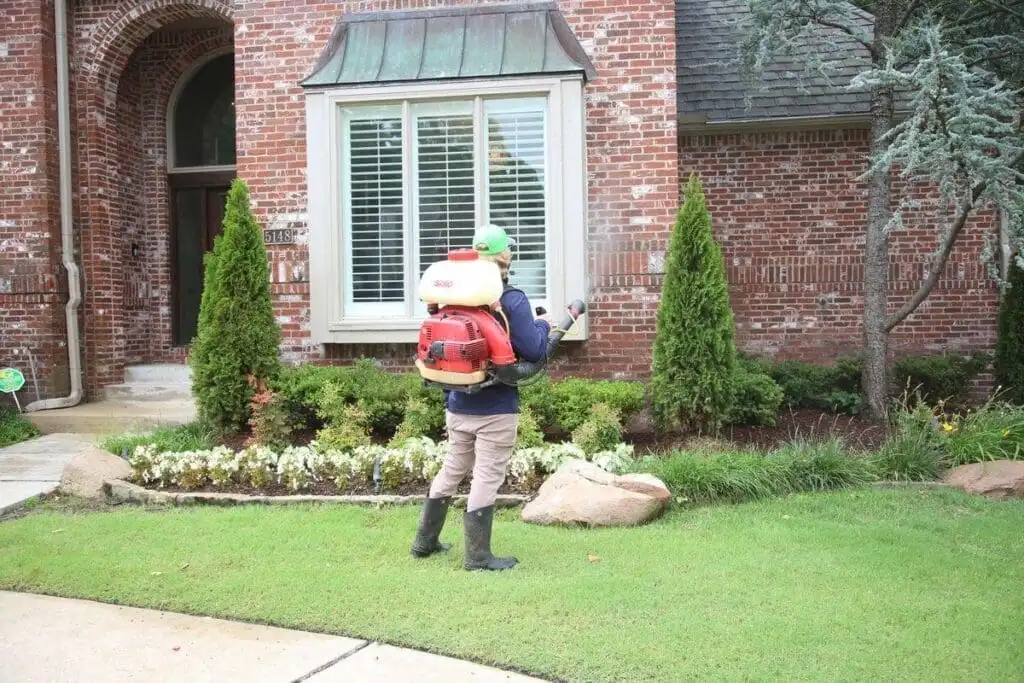
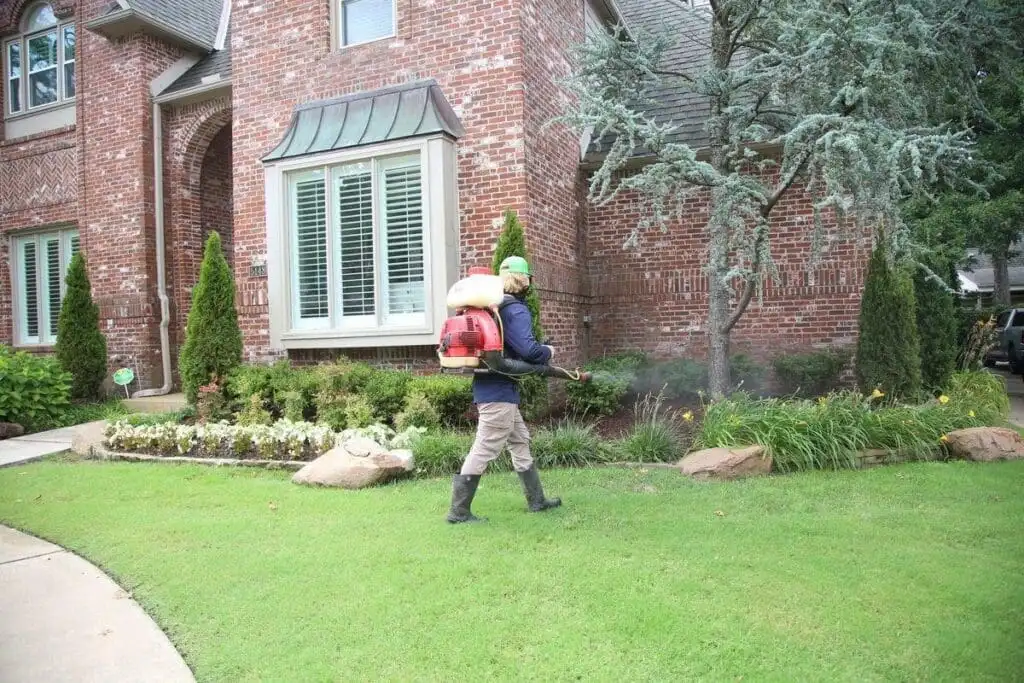
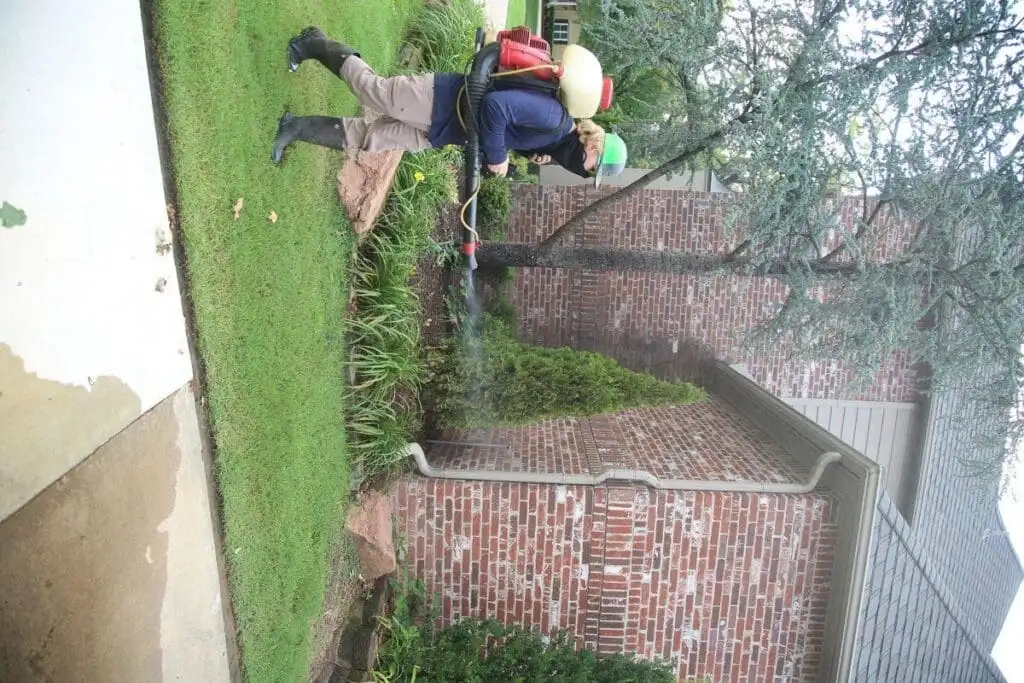
The foundation of professional mosquito control is a barrier spray applied to the undersides of leaves on shrubs and trees, fence lines, under decks and patios, tall grass edges, and shaded areas. When mosquitoes land on treated surfaces, they pick up the product and die.
Professional Products Are More Effective
Professional-grade mosquito products are formulated to adhere to vegetation, resist breakdown from sun and rain, and remain active for three to four weeks between treatments. Over-the-counter products typically last days, not weeks, and require constant reapplication.
Regular Schedule Throughout the Season
Because new mosquitoes are constantly hatching and migrating from neighboring properties, barrier treatments need to be reapplied every three to four weeks from late spring through early fall. Consistency is what builds and maintains the reduction in mosquito populations.
Technicians Identify Breeding Sites
When our technicians treat your property, they are trained to identify standing water sources and breeding sites you may not have noticed — a clogged gutter drain, a hidden tire, or a low spot in the yard holding water. That combination of barrier treatment and source reduction produces the best results.
When to Start Mosquito Control in Oklahoma
Do not wait until mosquitoes are already ruining your evenings. By the time you notice a serious mosquito problem, they have already been breeding on or near your property for weeks. The most effective approach is to start treatments before peak season hits.
Late April to Early May
Begin treatments as mosquitoes become active when temperatures consistently stay above 50 degrees. Starting early disrupts their population before it can build momentum. This is when the Tulsa Health Department begins its own mosquito surveillance program for the season.
May Through September: Peak Season
Treatments should continue on a regular three to four week cycle throughout these months. June through August is when mosquito activity is most intense, especially after rain events. July through October is the highest risk window for West Nile virus exposure in Oklahoma.
October: Tapering Off
Treatments can taper off as temperatures cool and the first frost approaches. Some years, mosquitoes remain active into November in the Tulsa area if fall stays warm.
Complete Lawn Care's Mosquito Control Program
At Complete Lawn Care, our mosquito control program runs from spring through fall with treatments scheduled throughout the peak season. We monitor weather patterns and adjust treatment timing based on actual conditions rather than a rigid calendar, because a wet, warm June produces very different mosquito pressure than a dry, hot one.