Christmas Light Installation
Professional vs. DIY Christmas Lights in Tulsa: Safety, Time, and Results
Complete Lawn Care • November 2026 • Tulsa, OK • 7 min read
Short Answer: Plenty of Tulsa homeowners hang their own Christmas lights, and for a single-story home with a simple roofline, it can be a fun family project. The trade-offs show up on taller homes, steep roofs, and complex designs: ladder and roof safety, hours of work in the cold, Oklahoma wind loosening strands, uneven results, and takedown in January. A professional installation brings trained crews, proper equipment, commercial-grade lights, a planned design, and in many cases takedown. The right choice depends on your house, your comfort with heights, and your time.
If you are reading this, you may be standing in the garage looking at a tangle of light strands from last year, wondering whether it is worth doing again. Or maybe you have always hung your own lights and are starting to wonder whether the ladder work is worth it.
Both are reasonable questions. We would rather give you an honest comparison than a sales pitch, including the cases where doing it yourself makes perfect sense.
The Case for Doing It Yourself
Hanging your own lights can be a fun tradition. You control the design, work on your own schedule, and take pride in the result. If you already own lights and clips, the direct cost is low.
DIY tends to work best on single-story homes with simple, reachable rooflines, where most of the work can be done from a short ladder, and for homeowners who are comfortable on ladders and enjoy the project.
Safety: The Biggest Consideration
Ladder falls are one of the most common causes of holiday decorating injuries. The risk goes up with taller homes, steep roof pitches, wet or icy surfaces, and windy days, all of which are common in Tulsa in November and December.
If you hang your own lights, use a sturdy ladder on firm, level ground, extend it well past the roof edge, keep three points of contact, have someone hold the ladder, and avoid working on wet, icy, or windy days. Stay off steep roofs entirely.
Professional crews work with proper ladders, lifts where needed, and fall protection, and they do this work every day.
Time
A full roofline display on a two-story home can take a homeowner an entire weekend, sometimes more, especially once you count untangling last year's strands, replacing dead bulbs, and figuring out the layout. Then there is takedown in January, often in colder weather.
A professional crew with prepared materials can often complete the same job in a few hours.
Wind and Weather
Oklahoma wind is hard on holiday lights. Strands that are not secured properly can loosen, sag, or blow off the gutter. Professional installers use clips matched to the roof edge and gutter that hold lights securely without nails or staples through roofing, and they know how to route wiring so it stays put.
Results From the Street
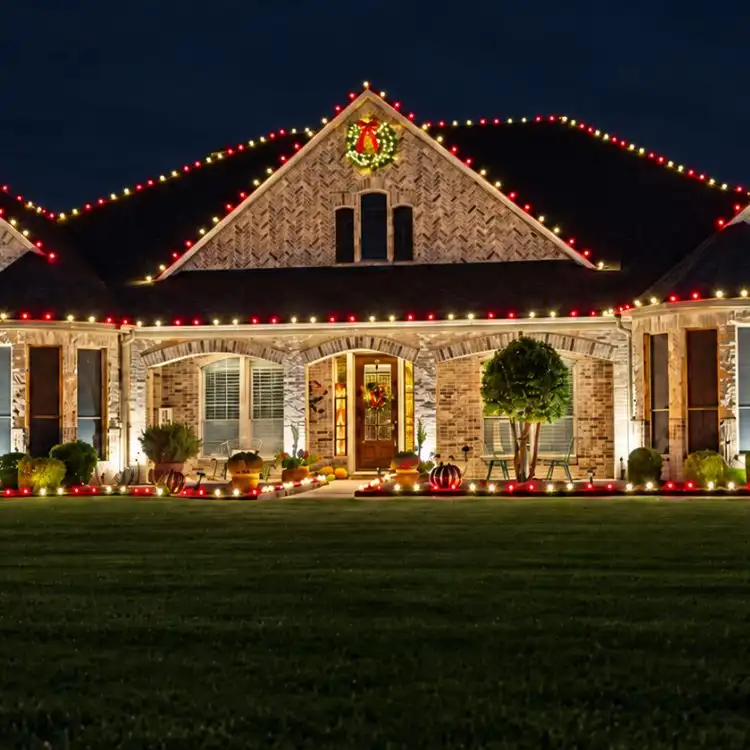
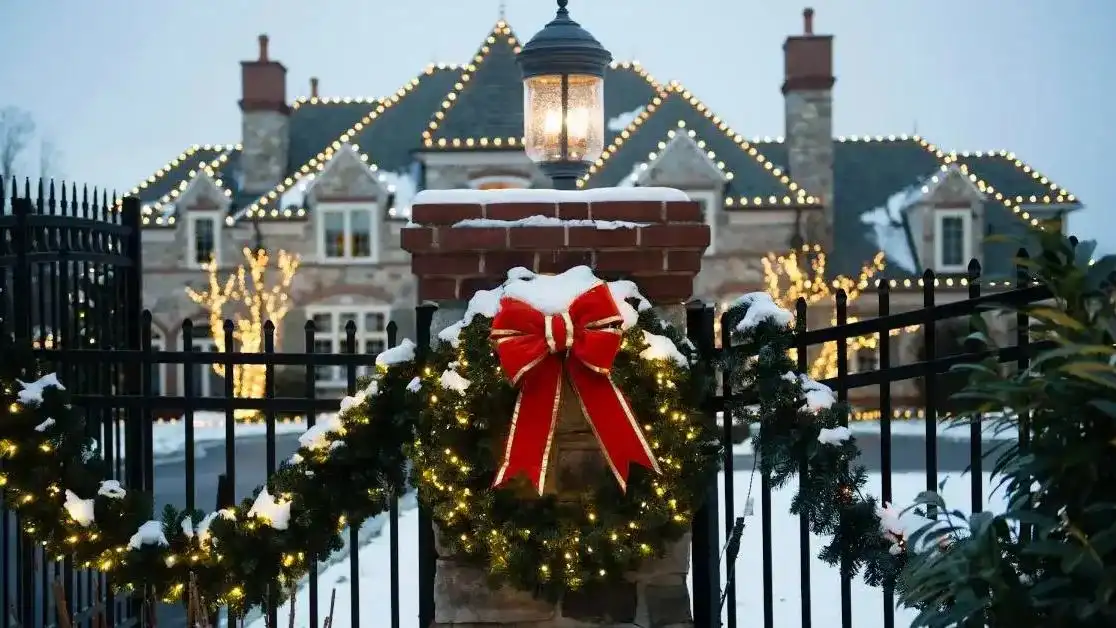
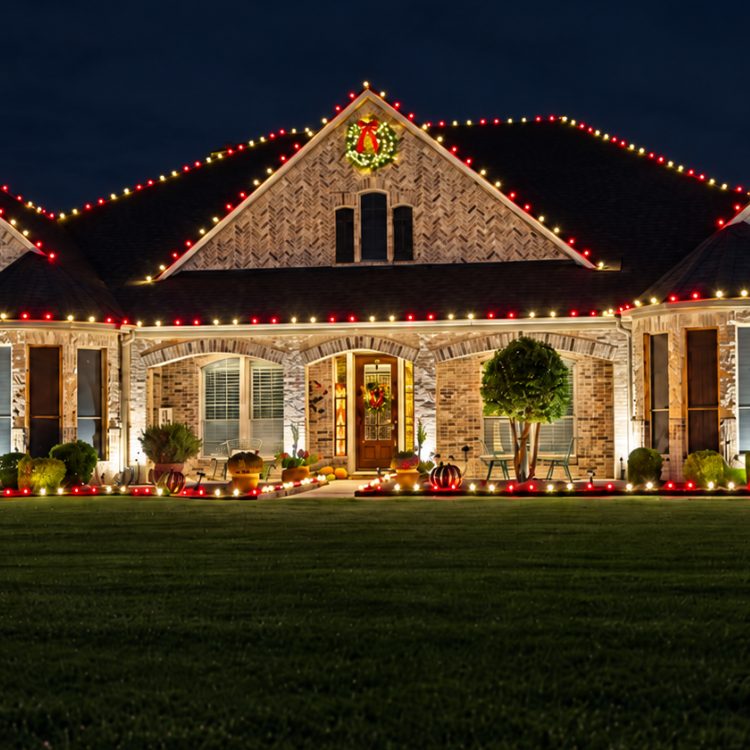
There is a visible difference between a carefully planned display and a rushed one. Professional installations tend to have straight lines, even spacing, bulbs centered on peaks, clean corners, and hidden wiring. Home installs often have sagging sections, uneven spacing, and cords running down the front of the house.
That difference is not about effort. It comes from planning the layout, measuring the roofline, and using consistent materials.
Lights and Materials
Store-bought light strings vary in color and brightness, even within the same brand, and many are not built to last more than a season or two outdoors. Professional installers often use commercial-grade lights that hold consistent color and stand up better to weather.
Whatever you use, make sure lights are rated for outdoor use.
Electrical Safety
Outdoor lights should be plugged into outlets with ground fault protection. Avoid overloading circuits or chaining too many strands together. Inspect strands each year for cracked sockets, frayed wires, or exposed wire, and replace damaged sets.
Takedown
Taking lights down in January, often on a cold day, is the part many homeowners like least. Removing lights carefully so clips do not damage gutters or shingles, and storing them so they are not a tangled mess next year, takes time. Many professional services include takedown, and some include storage.
Cost
DIY has a lower direct cost if you already own lights and equipment. But the full comparison includes replacing lights that burn out, buying clips and timers, your time on both ends of the season, and the risk of injury or damage to the house. Professional service costs more up front but includes labor, materials, design, and often takedown.
Roof and Gutter Care
Nails, staples, and some hooks can damage shingles, fascia, and gutters. Clips designed for the purpose hold lights without putting holes in the roof. Whether you hang lights yourself or hire someone, avoid anything that punctures roofing.
Trees and Landscaping
Wrapping trees, especially tall ones, is one of the hardest parts of a display to do yourself. It often requires a lift or tall ladder and careful spacing. Many homeowners who hang their own roofline lights hire out the tree wraps.
Hidden Costs of DIY
DIY costs add up in ways that are easy to overlook: replacing strands that fail each year, buying new clips when old ones break, extension cords, timers, and sometimes a ladder upgrade. A single trip to urgent care after a fall, or a repair to a damaged gutter, can cost more than several seasons of professional installation.
Who Is Watching the Kids?
Hanging lights often happens on busy weekends when the family is home. Ladders, cords, and tools around the yard need supervision, especially with young children or pets around. That is one more thing to plan for if you go the DIY route.
Rentals and Second Homes
If you own a rental property or are away for part of the season, professional installation and takedown take one more task off your list and avoid lights being left up long after the holidays.
A Middle Path
Some homeowners split the work. They decorate the bushes, porch, and lower areas themselves and hire a professional for the roofline, peaks, and tall trees. That keeps the family tradition while leaving the ladder work to someone else.
Storage Between Seasons
Storing lights so they work next year takes care. Strands should be wound loosely, kept dry, and labeled by section. Lights stored tangled in a damp garage often have dead sections the following year. Some professional services store lights for customers between seasons, which is worth asking about.
When Professional Installation Makes the Most Sense
Professional installation tends to make the most sense for two-story homes, steep or complex rooflines, homes with tall trees you want lit, homeowners who are not comfortable on ladders, and busy families who would rather spend the season enjoying the lights than hanging them.
Questions to Ask a Professional
Ask what is included, whether the lights are provided, how the lights are attached, whether takedown is included, what happens if a section goes out, and whether the crew is insured.
What the Right Choice Looks Like
Imagine this. It is a cold December evening. Your lights are glowing, every line straight, and nobody in your family spent a weekend on a ladder in the wind to make it happen. Or, if you did it yourself, you did it safely, on a calm day, with a plan, and you are proud of the result. Either way, it is about enjoying the season.
What to Do Next
Take an honest look at your home's height and roofline, your comfort on a ladder, and your time. If you hang your own lights, use outdoor-rated lights, proper clips, GFCI-protected outlets, and avoid wet, icy, or windy days. If the roofline is tall or steep, consider having a professional handle at least that part.
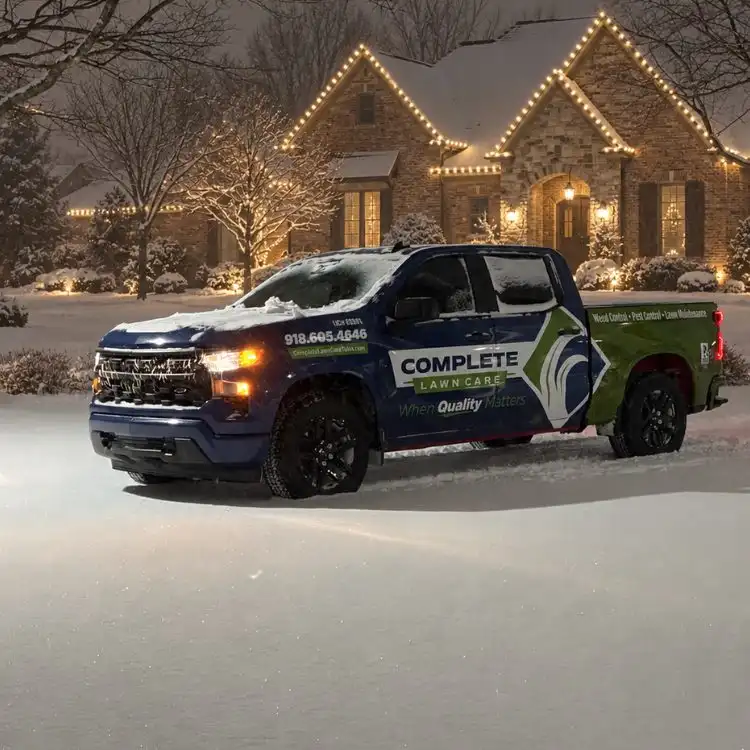
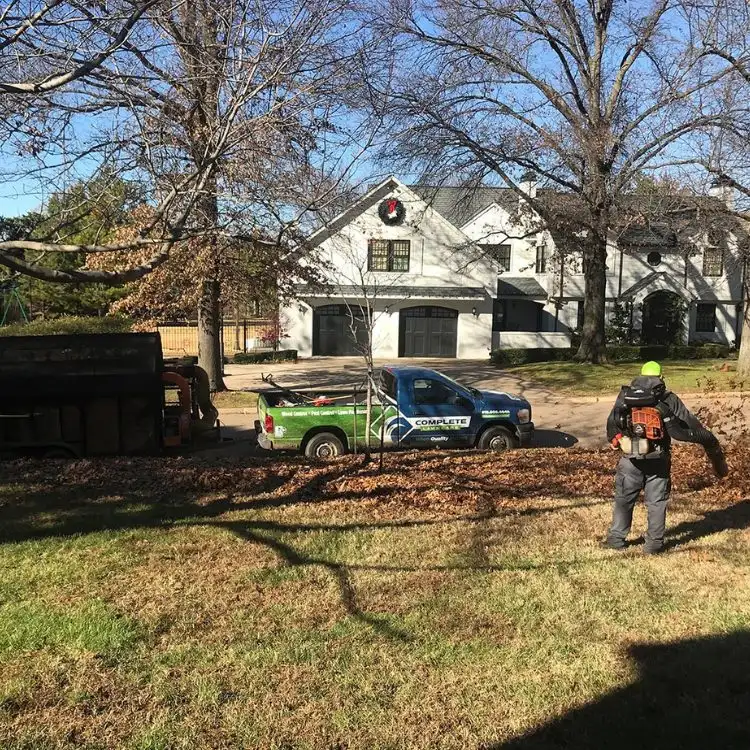
If you would rather have someone else handle the ladders and the roofline this year, we are here for that. Complete Lawn Care offers Christmas light installation in Tulsa, Broken Arrow, and the surrounding area. Call 918-605-4646 or visit completelawncaretulsa.com to request a free quote.
Here is what to expect. We will look at your home with you, talk through the look you want, and explain what the installation would include before anything goes up. You will know what you are getting and when.