Commercial Snow Removal
Ice, Not Snow: Why Tulsa Businesses Need an Ice Management Plan
Complete Lawn Care • November 2026 • Tulsa, OK • 7 min read
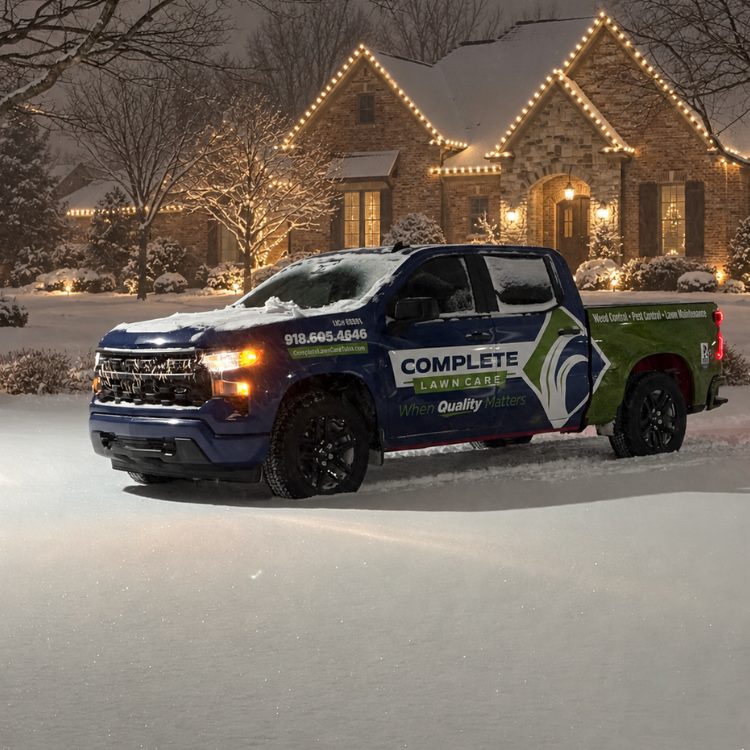
Short Answer: In Tulsa, ice is often a bigger winter threat to businesses than snow. Freezing rain, sleet, and overnight refreeze create slick surfaces that are hard to see and dangerous for customers, employees, and tenants. A commercial ice management plan typically includes pre-treating key surfaces before a storm, applying de-icing products during and after the event, monitoring for refreeze, and returning to re-treat entrances, walkways, ramps, and drive lanes. Planning ahead, setting clear priorities, and keeping records help keep your property safe and reduce slip-and-fall risk.
If you have lived in Tulsa for a while, you know that the most dangerous winter days are not always the ones with the most snow. They are the mornings after freezing rain, when every sidewalk, step, and parking lot is coated in a thin layer of ice that looks like wet pavement until you step on it.
For businesses, that kind of weather is a real challenge. Customers still need to get in the door, employees still need to get to work, and tenants still need to get to their cars. Here is why ice deserves its own plan, and what that plan should include.
Why Ice Is the Bigger Risk in Tulsa
Tulsa sits in a part of the country where winter storms often bring a mix of precipitation. Temperatures hover near freezing, and a storm that starts as rain can turn to freezing rain, sleet, or snow and back again. The result is ice on surfaces that are hard to clear.
Ice is also harder to see than snow. A snow-covered sidewalk is obviously slick. A sidewalk with a thin glaze of ice can look perfectly fine, which is why so many winter falls happen on surfaces people assumed were safe.
Refreeze: The Hidden Hazard
Even after a storm passes, ice can come back. Snow and ice that melt during a sunny afternoon run across sidewalks and parking lots, then refreeze overnight when temperatures drop. Entrances, sidewalks next to buildings, and areas near downspouts and snow piles are especially prone. A walkway that was clear at 3 p.m. can be dangerous at 7 a.m.
What Ice Management Includes
A good ice management plan typically covers several steps.
Pre-treatment before a storm. Applying de-icing products to key surfaces before freezing precipitation arrives helps keep ice from bonding to the pavement, making it easier to clear afterward.
Treatment during the event. Applying de-icers to entrances, walkways, ramps, and drive lanes during a storm helps maintain traction.
Post-event cleanup. Clearing slush and remaining ice once the storm ends, before it has a chance to refreeze.
Refreeze monitoring and re-treatment. Returning to treat areas that refreeze overnight or in shaded spots that never thaw.
Priority Areas
Ice management should focus first on the areas where people walk and where falls are most likely. That usually means main entrances and exits, sidewalks and walkways, stairs and ramps, accessible parking spaces and routes, and crosswalks within parking lots. Drive lanes, parking areas, and loading docks follow.
Choosing De-Icing Products
Different de-icing products work at different temperatures and have different effects on concrete, landscaping, and the environment. Rock salt is common and economical but less effective in very cold temperatures and can damage concrete, plants, and turf. Other products work at lower temperatures or are gentler on surfaces and landscaping. Your provider can recommend products suited to your surfaces and conditions.
Protecting Landscaping
De-icers can damage turf and plants along sidewalks and parking areas. Thoughtful application, using only what is needed and keeping product off planting beds where possible, reduces damage. Lawns along walkways often need a little extra attention in spring.
Entrance Mats and Indoor Floors
Ice melt and slush get tracked inside. Absorbent entrance mats, regular mopping, and wet floor signs help prevent slips indoors, where floors can become just as dangerous as the walkway outside.
Shaded Areas and North Sides
Areas on the north side of buildings and under canopies or overhangs stay cold and shaded, so ice lingers there long after sunny areas have melted. Those spots often need repeated treatment.
Downspouts and Drainage
Downspouts that drain across sidewalks and parking areas create ice sheets every time temperatures drop below freezing. Redirecting downspouts away from walkways, where possible, is one of the simplest ways to reduce ice hazards.
Parking Lots and Drive Lanes
Parking lots are where vehicles and pedestrians mix. Ice in drive lanes makes it harder for cars to stop, and ice between parked cars is where many falls happen as people walk to and from vehicles. After entrances and walkways, treating drive lanes, crosswalks, and the paths people take from parking to the door is the next priority.
Loading Docks and Service Areas
Loading docks often have slopes and constant traffic from delivery trucks and staff. Ice there slows deliveries and creates a real risk for employees. Including docks and service entrances in the plan keeps operations moving.
Communication and Timing
Ice events often unfold overnight. Ask your provider how they monitor forecasts, when they dispatch crews, and how they communicate before, during, and after a storm. Knowing that the property has been treated before staff arrive helps you make decisions about opening.
Documentation
Records of when areas were treated, what products were used, and what the conditions were can be valuable if someone falls and a claim is filed. Ask whether your provider keeps detailed service logs.
Your Team's Role
Even with professional service, staff can help by keeping entrance mats in place, reporting slick spots, and keeping a small supply of ice melt at the doors for touch-ups during the day. Clear communication about who handles what avoids gaps.
Plan for Multi-Day Events
Tulsa has experienced ice storms and extended cold spells where temperatures stayed below freezing for days. In those conditions, treatment is not a single visit. Ask how your provider handles extended events, including repeated visits to keep walkways safe.
Accessibility
Accessible parking spaces, curb ramps, and accessible routes need to be cleared and treated so everyone can reach your building safely. Make sure they are at the top of the list.
Snow Piles Create Ice
Plowed snow piles melt on sunny days, and the meltwater runs across parking lots and walkways before refreezing at night. Piling snow downhill from walkways and away from entrances and drains reduces that refreeze problem.
Canopies, Overhangs, and Steps
Entrance canopies and building overhangs drip meltwater onto walkways below, and steps freeze faster than flat surfaces. Those spots often need extra attention throughout an ice event.
Training Staff to Spot Ice
Employees who open the building early are often the first to see slick spots. A simple routine, like walking the entrance and main walkway before customers arrive and reporting any ice, helps catch problems between professional visits.
Set It Up Before Winter
Ice events can arrive quickly, sometimes with only a day or two of warning. Setting up an ice management plan in the fall, before the first forecast, lets your provider plan materials and routes for your property.
What a Well-Managed Ice Event Looks Like
Imagine this. Freezing rain falls overnight across Tulsa. Before dawn, your entrances, ramps, and main walkways are already treated. When employees arrive, they walk in safely. In the afternoon, the crew returns to touch up shaded areas before the evening refreeze. The next morning, the walkways are still safe.
What to Do Next
This month, walk your property and note the entrances, walkways, ramps, stairs, and shaded areas most likely to ice over, along with downspouts that drain across pavement. Set priorities, ask about pre-treatment and refreeze monitoring, and put an ice management plan in place with a provider before the first winter forecast.
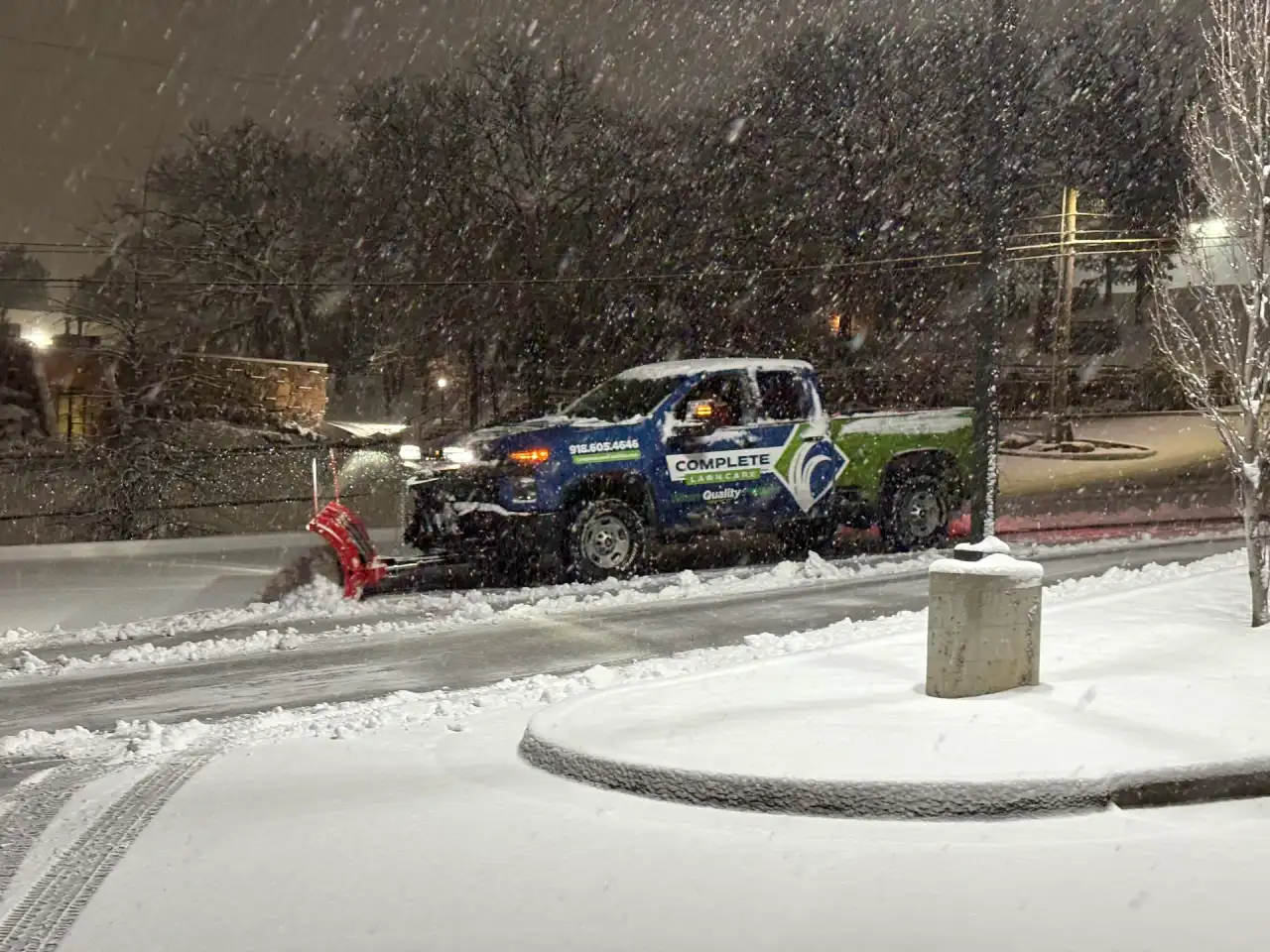
If you would rather have a plan in place before the first storm, we are here for that. Complete Lawn Care offers commercial snow removal in Tulsa, Broken Arrow, and the surrounding area. Call 918-605-4646 or visit completelawncaretulsa.com to request a free quote.
Here is what to expect. We will walk your property with you, note the areas that matter most for access and safety, and talk through how service would be triggered and what it would include. You will know exactly what to expect when the first storm hits.