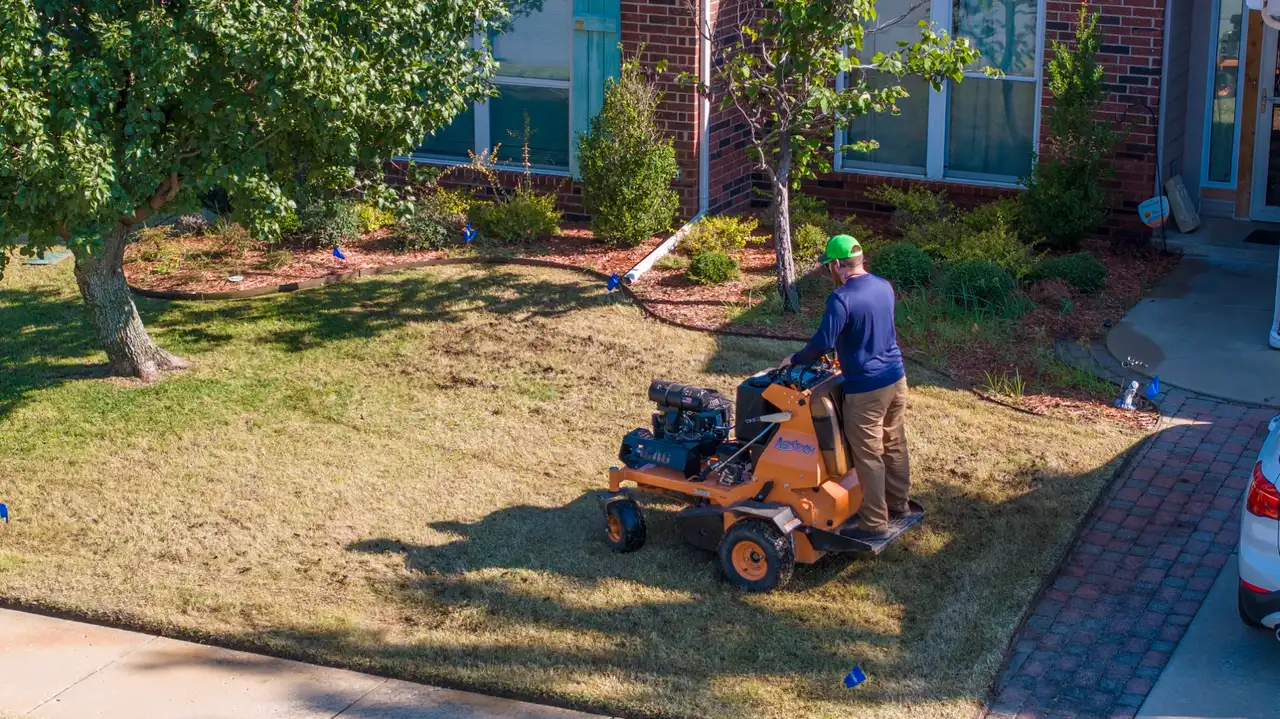
Leaf Removal
The Top 5 Lawn Problems We See Every Fall in the Tulsa Area
Complete Lawn Care • September 2026 • Tulsa, OK • 8 min read

Short Answer: The five most common fall lawn problems we see in the Tulsa metro are grub damage revealing itself as brown patches that peel up like loose carpet, brown patch fungus continuing to cause issues in Fescue during warm humid stretches, leaf matting from untended leaf buildup, winter weed germination that sets up a weedy spring, and lawns that were marginal in summer declining further into fall because fall fertilization got skipped. All five are addressable if caught early, and all five get worse if ignored. Here is how to recognize each and what to do about it.
Every fall in the Tulsa area brings a predictable set of lawn problems. After years of service calls through September, October, and November, the same five issues account for most of what we see. Knowing what they look like and how to address them means you can catch problems early instead of inheriting a damaged lawn next spring.
Problem 1: Grub Damage
Grubs are beetle larvae that feed on grass roots. In the Tulsa area, grub damage typically becomes visible in late August through October as the larvae reach feeding maturity.
What it looks like:
Irregular brown patches that do not respond to watering (because the roots are gone, the grass cannot absorb water).
Grass in affected areas peels up like loose carpet when you grab and pull. This is the classic diagnostic sign. The roots have been eaten, so the turf has nothing holding it down.
Animal digging. Raccoons, skunks, armadillos, and birds dig in lawns looking for grubs to eat. If you are seeing holes or torn-up areas matching a pattern, grubs are usually the cause.
What to do: Preventive grub treatments applied earlier in the season (June through early July) are dramatically more effective than curative treatments after damage appears. At this point, if damage is visible, the options are more limited. Curative insecticide treatments can kill remaining grubs, but the damaged turf has to be either regrown (with time and care) or replaced (sod or seed in affected areas).
For homeowners with history of grub damage, preventive treatment next summer is the right preventive investment.
Problem 2: Brown Patch Fungus
Brown patch is one of the most common turf diseases in Oklahoma, particularly on Fescue lawns. It thrives in warm humid conditions, which unfortunately include many fall days in Tulsa.
What it looks like:
Circular patches of brown to yellow grass, typically a few feet in diameter but sometimes expanding to much larger areas.
A smoky gray halo around the patch edges, visible in the morning when dew is present. This is active fungal growth.
Infected blades often show brown lesions with darker borders, sometimes with a distinct constriction pattern.
Progression during warm humid periods. The disease expands rapidly during favorable conditions.
What to do: Fungicide treatments are the primary control. Preventive applications are more effective than reactive ones, but reactive treatments can halt progression once disease is active. Typically 2 to 3 applications, 2 to 3 weeks apart, are needed to fully control an active outbreak.
Cultural practices also matter: reduce evening watering (which keeps blades wet overnight), improve air circulation where possible, avoid excessive nitrogen fertilization during disease-active periods. Affected Fescue usually recovers over winter and into spring with proper follow-up care.
Problem 3: Leaf Matting
Tulsa-area properties with significant tree cover face an ongoing leaf management challenge through October and November. Leaves that sit on the lawn for extended periods cause real damage.
What it looks like:
Yellowing or thinning grass under sections where leaves have sat for extended periods.
Matted layers of wet leaves creating anaerobic conditions that kill the grass underneath.
Disease pressure (snow mold, other fungal issues) under heavy leaf cover.
Spring patches where grass did not survive winter under matted leaves.
What to do: Regular leaf management is the answer. Options include mulching leaves with the mower (works for moderate volume), raking and removing (standard for heavy leaf cover), or bagging with mower attachments. Whichever approach, the goal is to not let heavy leaf layers sit for more than a few days.
Properties with very heavy leaf drop may need weekly or more frequent attention during peak fall. Hiring leaf removal service during the heaviest weeks is cheaper than losing sections of lawn to matting.
Problem 4: Winter Weed Germination
Cool-season weeds (poa annua, henbit, chickweed, and many others) germinate as soil temperatures drop through the 70s in September. Without pre-emergent protection, these weeds establish in September and October and then explode visibly in early spring, making the lawn look weedy before the grass has even greened up.
What it looks like:
Small seedlings appearing in thinning areas of the lawn during September and October.
Visible winter weeds (particularly poa annua with its finer texture and seed heads) starting in late fall.
Heavy weed pressure in February and March that homeowners often mistake for a spring problem when it really established the previous fall.
What to do: Fall pre-emergent in late September is the best prevention. Products with prodiamine, dithiopyr, or specific cool-season pre-emergent chemistries applied at the right time prevent germination before it starts.
If winter weeds are already established, post-emergent applications can control them during active winter growth. Specific product selection depends on which weeds are present. Broadleaf weed killers handle henbit and chickweed. Poa annua requires more specific products or strategies.
Coordinating any fall overseeding with weed control is essential. Pre-emergent in seeded areas kills the desired grass seed, so timing and product selection must be thoughtful.
Problem 5: Marginal Lawns Declining Further Without Fall Feeding
Lawns that struggled through summer often need more fall attention rather than less. But many homeowners pull back on lawn care in fall thinking the season is over. Struggling lawns that do not get fall fertilization, aeration, or repair work typically enter winter in worse shape than they ended summer, and come out of dormancy next spring significantly behind.
What it looks like:
Continued thinning in fall rather than recovery from summer damage.
Persistent discoloration in areas that were stressed in summer.
Weak dormancy transition. Warm-season grasses that go dormant early and in poor condition often struggle to green up in spring.
Compounding problems. Without addressing underlying soil issues, compaction, or density, the lawn enters a multi-year decline cycle.
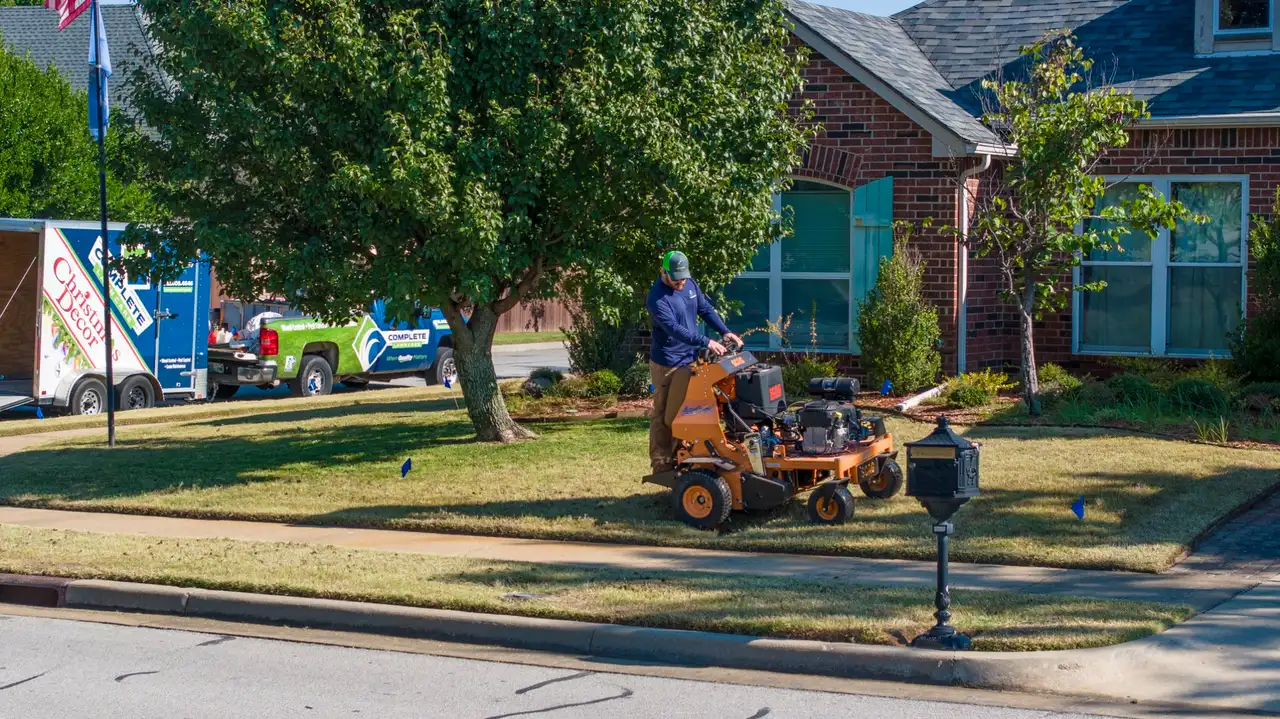
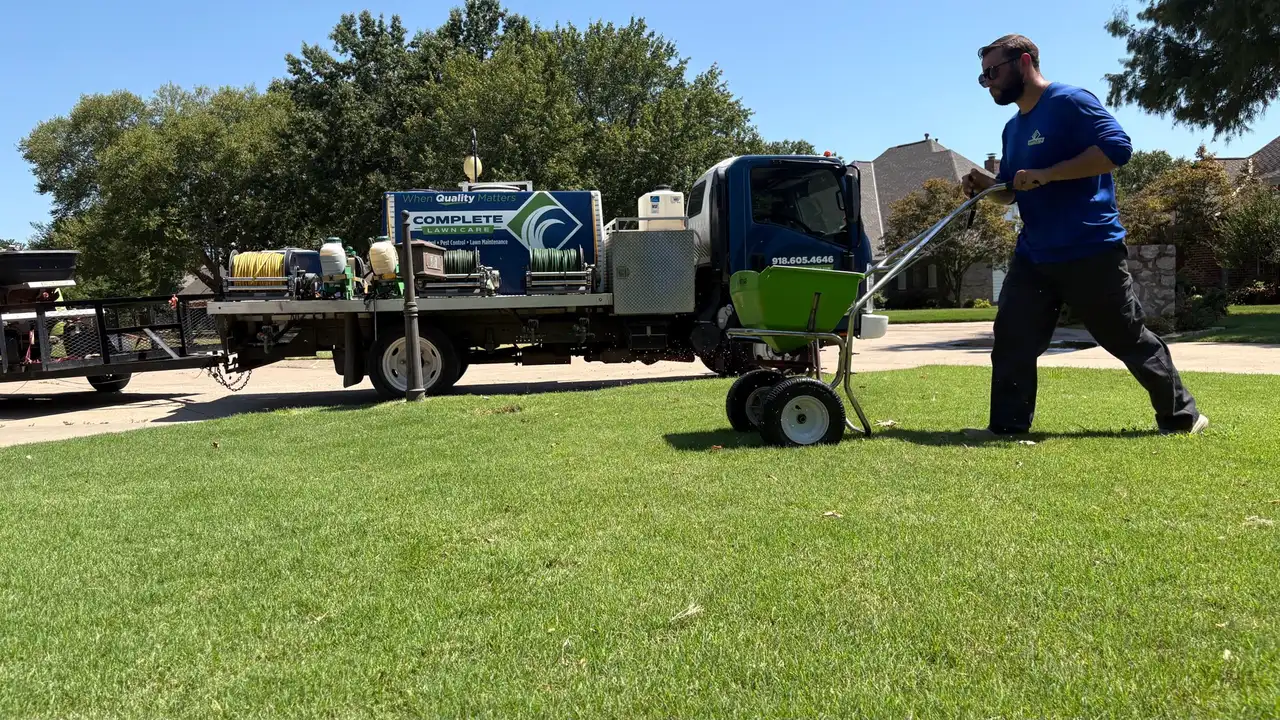
What to do: Fall feeding for both warm-season (winterizer with lower nitrogen, higher potassium) and cool-season (standard fertilization supporting active fall growth) provides the nutrition the grass needs to recover. Aeration addresses soil compaction that may be contributing to the decline. Overseeding (for Fescue) rebuilds density. Addressing any pest or disease issues that showed up in summer prevents carryover into next year.
The counterintuitive reality is that the lawns most in need of fall work are the ones where homeowners are most tempted to stop working. Doing fall right on a struggling lawn produces dramatic improvement by next May.
A Few Bonus Problems Worth Flagging
Beyond the top 5, a few other issues come up frequently enough to mention:
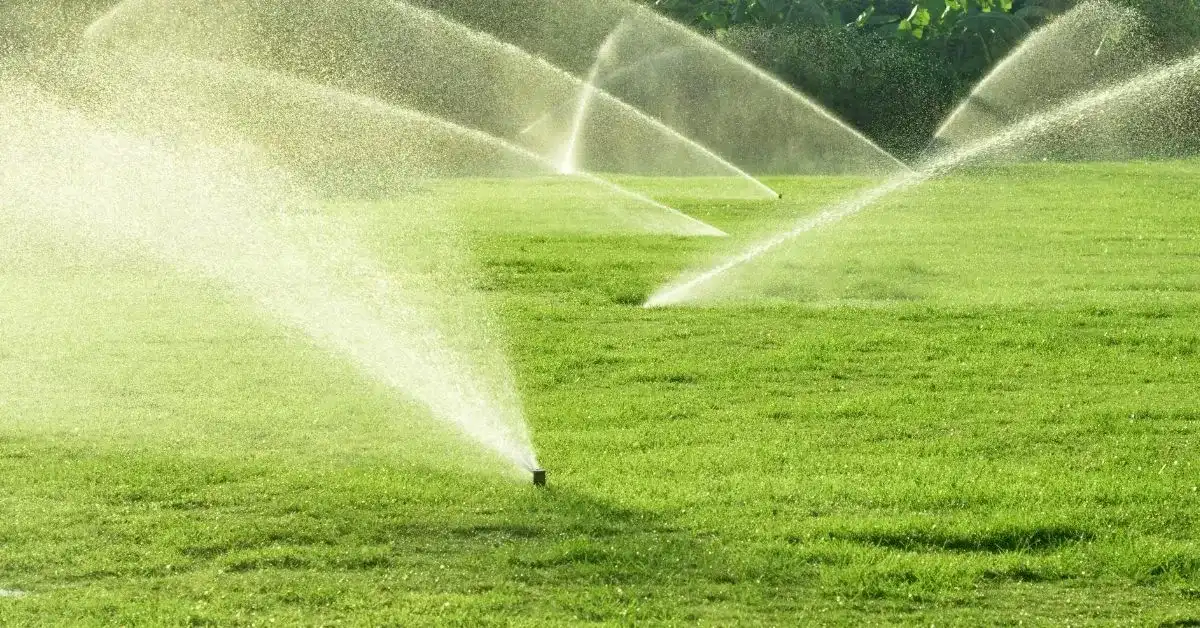
Irrigation left running too long. Many homeowners forget to adjust irrigation timers for fall conditions. Running summer schedules into October often overwaters the lawn, which contributes to fungal problems and wastes water and money.
Late-season fire ants. Fire ants remain active well into fall in Oklahoma. Late-season treatment catches colonies that will otherwise overwinter and expand next spring.
Renovation projects scheduled poorly. Fall renovation work on the wrong grass type (Bermuda sod installation in November, for example) often fails because conditions do not support establishment. Matching project timing to grass biology matters.
Missed irrigation winterization. This is a repair bill problem rather than a lawn problem, but the effects spill over into the following spring when the lawn cannot be properly watered early in the season because the system is broken.
The Pattern Underneath
Looking at all five problems and the bonus items, a pattern emerges. Most fall lawn problems come from either skipping needed work or doing the right work at the wrong time. Very few come from homeowners doing too much.
The lawns we see that look best heading into winter are the ones on coordinated programs where the work is being done consistently and at the right times. The lawns we see struggling into winter are the ones where fall work got compressed or skipped.
The climate here is aggressive enough that the results are visible within a year or two of changing the approach in either direction.
What to Do Next
If your Tulsa-area lawn has any of these fall problems showing up, give us a call at (918) 605-4646 or request a quote online. Here is what to expect: we respond the same day, use satellite imaging to measure and assess your property (no walkthrough required, though for visible damage we often want to see the yard in person and can typically be there same day or next), and send you a customized quote within a few days. If it is a fit, your first service is typically within a week. No contracts. Cancel anytime. Fall issues addressed now are much easier than spring issues addressed later.