Pest Control
Fall Armyworms and Grubs: Protecting Your Tulsa Lawn from Fall Pests
Complete Lawn Care • September 2026 • Tulsa, OK • 7 min read
Short Answer: Fall is a high-risk season for lawn pests in the Tulsa area, and armyworms and grubs are the two that do the most damage. Armyworms can move across a lawn in huge numbers and chew it down to the dirt in a matter of days, often seeming to appear overnight. Grubs feed on grass roots below the surface, causing patches that feel spongy and pull up like loose carpet. Both can turn a healthy fall lawn into a damaged one fast, and both are far easier to manage when you are watching for them and treating proactively rather than reacting after the damage is done.
Most people think of fall as the season when lawn problems wind down, but in the Tulsa area it can be one of the most damaging times of year for a specific reason: lawn pests. Just as your grass is trying to build roots and store energy for winter, certain insects are feeding hard, and a couple of them can do serious damage in a very short window. The two we watch most closely are armyworms and grubs.
Here is what they do, how to spot the early warning signs, and why fall is the season to stay ahead of them.
Fall Armyworms: Fast and Destructive
Armyworms earn their name from the way they move, advancing across a lawn in large numbers like an army on the march. They are the caterpillar stage of a moth, and in late summer and fall they can show up in enormous numbers around Tulsa, especially after the right weather patterns. What makes them so alarming is the speed. A lawn that looked fine at the start of the week can be chewed down and browned out by the weekend.
Because they feed so fast and often overnight, many homeowners feel like the damage appeared from nowhere. In reality the eggs were laid and the young caterpillars were feeding for a little while before the damage became obvious. That is why watching for them in the fall, rather than discovering them after the fact, matters so much with this pest in particular.
Grubs: The Damage You Cannot See
Grubs are the opposite of armyworms in one way: they do their damage out of sight, below the surface. Grubs are the larvae of beetles, and they live in the soil and feed on grass roots. Because they attack the roots, the damage shows up as the grass weakening and browning even when you are watering, since the lawn can no longer take up water and nutrients through the roots the grubs have chewed away.
The telltale sign is a patch of lawn that feels spongy underfoot and lifts up easily, almost like loose carpet, because the roots holding it down are gone. You may also notice more birds, skunks, or armadillos digging in the lawn, since they are after the grubs as a food source. Grub damage in fall can also carry into a weak, thin lawn the following spring if it goes unaddressed.
The Warning Signs to Watch For
You do not need to be an expert to catch these early. With armyworms, watch for a lawn that suddenly starts thinning or browning in spreading patches, especially in late summer and fall, and look closely in the morning or evening when the caterpillars are active. A lot of birds working an area of lawn can be an early tip-off that something is feeding there.
With grubs, watch for patches that brown despite watering, turf that feels soft and pulls up easily, and increased digging by animals. Catching either pest early, before the population explodes or the roots are gone, is the difference between a minor treatment and a major repair. When we walk a property in the fall, these are among the first things we check for.
Why Fall Pest Timing Matters for Your Lawn
Timing is everything with lawn pests, because the damage compounds. Armyworms can strip a lawn in days, so a few days of delay can mean the difference between a lawn that recovers and one that needs serious repair. Grubs feed through the fall and weaken the root system right when the grass is trying to build reserves for winter, so damage now can echo into a thin, struggling lawn next spring.
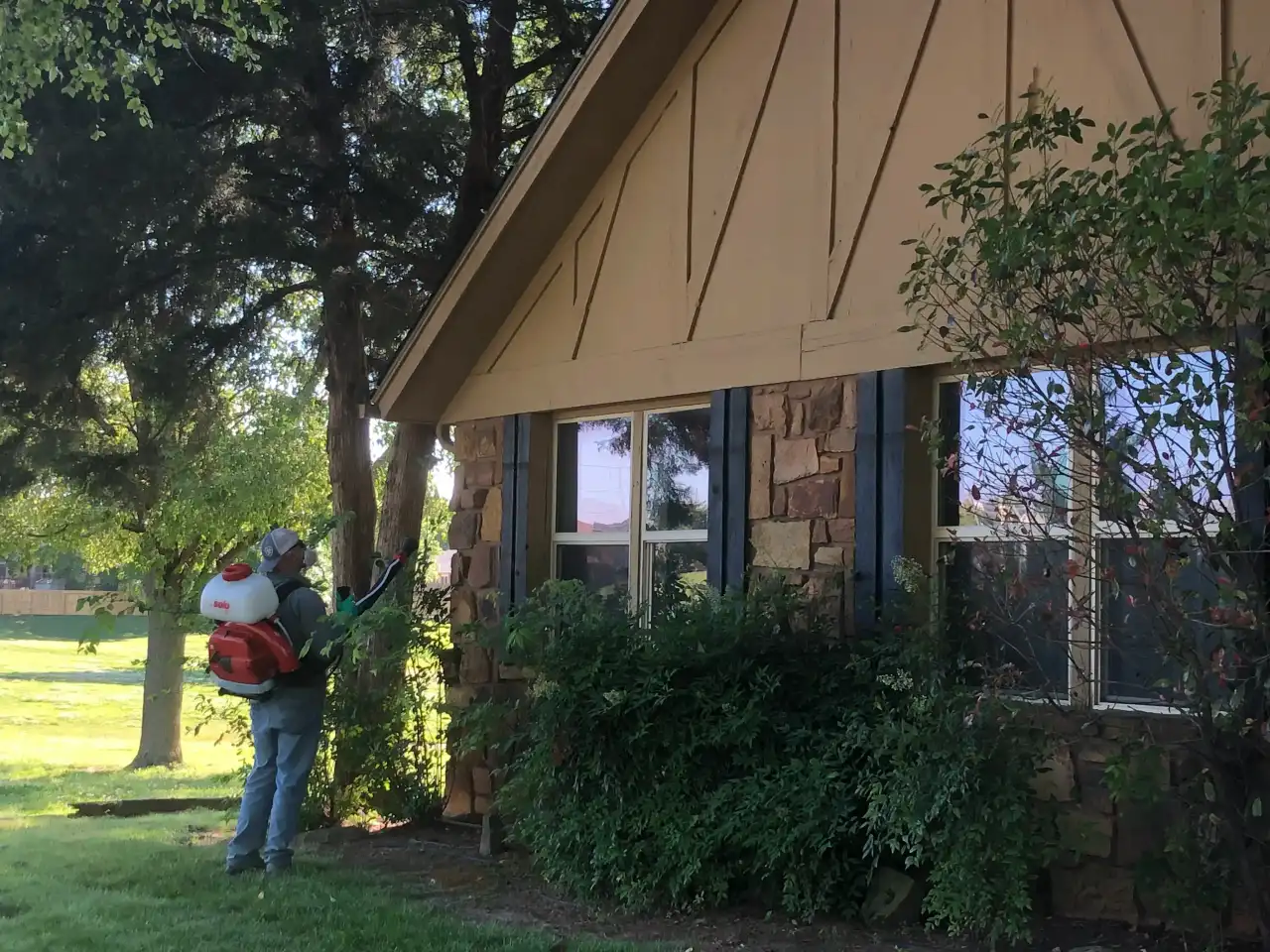
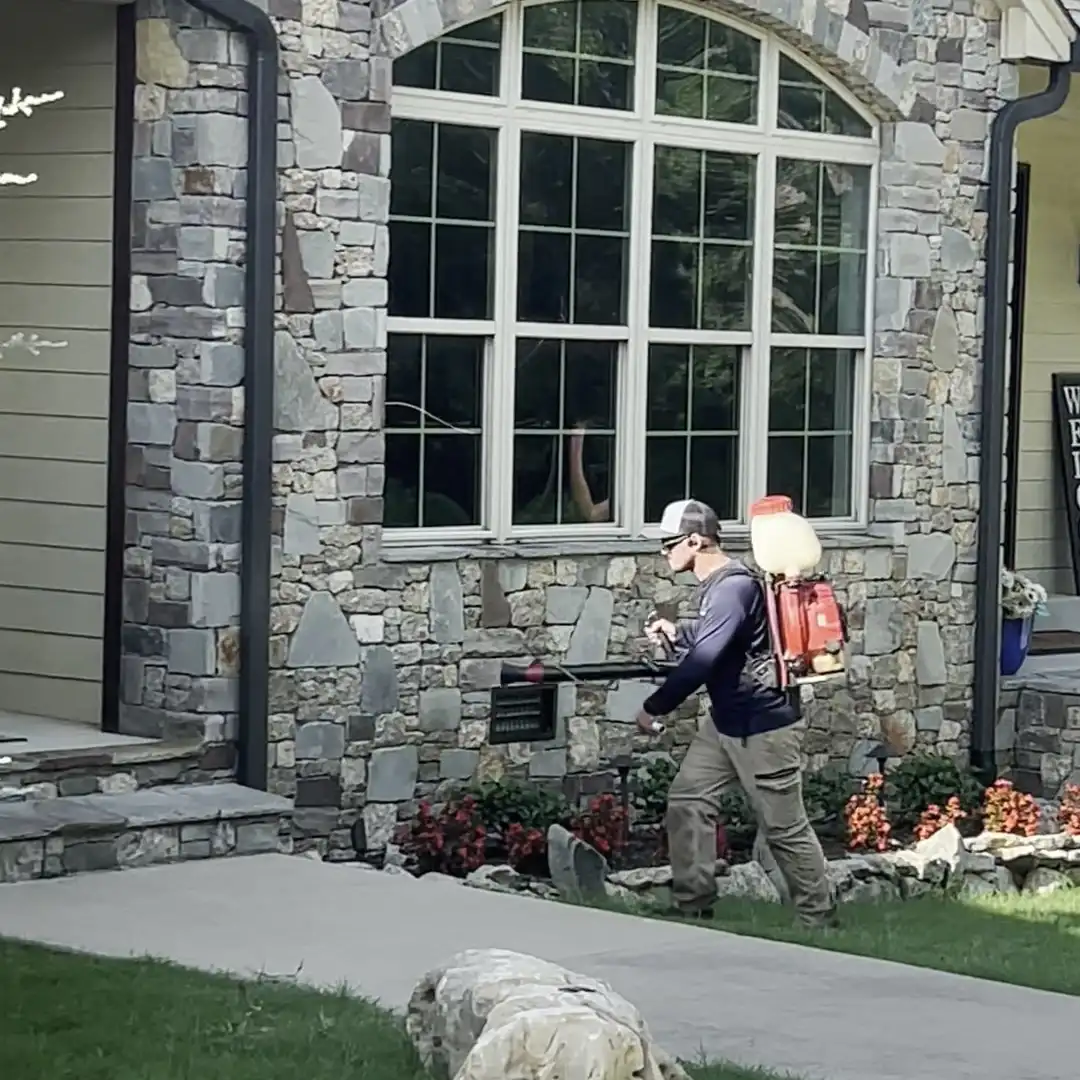
Proactive fall pest control gets ahead of both. Rather than waiting for obvious damage, we watch for the early signs and treat before a small problem becomes a lawn-wide one. On our clay-heavy Tulsa lawns, a healthy, well-fed lawn also stands up to pest pressure better, which is why pest control and good lawn care work hand in hand.
Protecting the Lawn You Worked For
If you have put effort into your lawn this year, fall pests are exactly the threat that can undo it quickly. A lawn that spent the summer getting healthy can be chewed down by armyworms or hollowed out by grubs in a matter of days, and coming into fall, that grass is also trying to prepare for winter. Losing it now is losing the head start on next spring, too.
That is why we treat fall lawn pest control as protecting an investment, not just spraying a lawn. The goal is to catch these pests early, keep the turf intact through the fall, and let the grass do the root-building and energy-storing it needs to do before winter without an insect problem cutting it short.
Why a Healthy Lawn Resists Pests Better
One thing worth understanding is that lawn pests and lawn health are connected, and it runs in both directions. A thick, well-fed, deeply rooted lawn is more resilient when pests show up, because it has the density and the root reserves to take some feeding damage and still recover. A thin, stressed, compacted lawn, on the other hand, has less margin, so the same pest pressure that a healthy lawn shrugs off can push a weak one over the edge into serious damage.
That is why we treat pest control and good lawn care as partners rather than separate jobs. Keeping the lawn properly fed and watered through the fall, and relieving compaction on our heavy Tulsa clay when it is needed, builds a lawn that stands up to armyworms and grubs better in the first place. Then, watching for the pests and treating proactively protects that healthy lawn from the ones that do show up. The two together are far more effective than either alone, and it is the reason a strong fall program looks at both the grass and the pests that threaten it, rather than waiting to react to whichever problem becomes visible first.
This is also why the fall pest window and the fall lawn window line up so well. The same season that has you thinking about feeding and preparing the lawn for winter is the season these pests are most active, so it is natural to handle both together. A lawn that is healthy going into winter and protected from the pests that would damage it comes through the cold months in far better shape, and it gives next spring a real head start rather than a repair job. Treating the lawn and its pests as one connected effort, at the same time of year, is simply the most effective way we know to protect the work you have already put in, and it means one seasonal plan rather than two separate scrambles once problems appear.
What to Do Next
Keep an eye on your lawn through the fall for the warning signs above, especially sudden browning patches and turf that feels soft or pulls up easily. Catching armyworms and grubs early is the whole game, and it is far easier to protect a healthy lawn than to rebuild a damaged one.
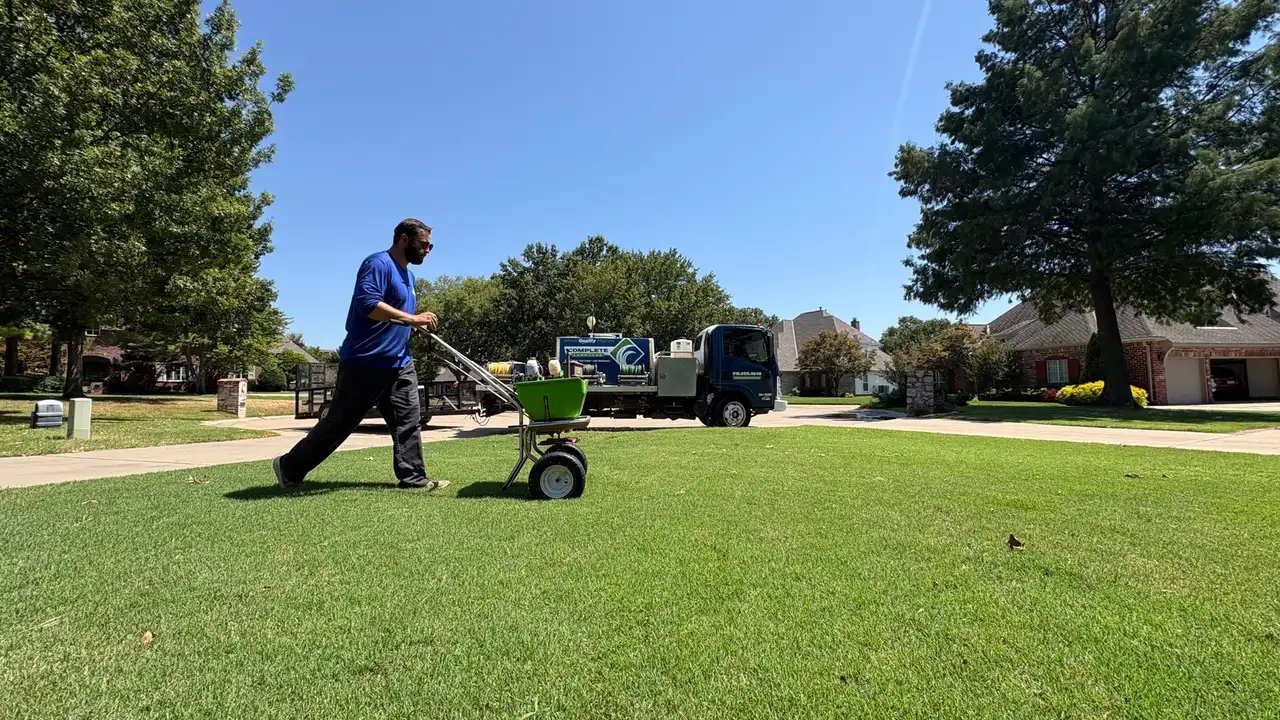
If you would rather get ahead of the problem than chase it, we are here for that. Complete Lawn Care handles fall pest control for homes across Tulsa and Broken Arrow. Call us at 918-605-4646 or reach out through completelawncaretulsa.com, and we will build a plan that keeps the pests out before they settle in.