What Attracts Mosquitoes to Your Yard
Mosquitoes are attracted to your yard by three things: standing water where they can breed, dense vegetation where they can rest during the day, and the presence of people and animals they can feed on. Understanding exactly what draws mosquitoes to your property is the first step toward making it less inviting to them.
Two of Three Attractants Are Within Your Control
You cannot stop being a warm-blooded human who exhales carbon dioxide, but you can eliminate the standing water and reduce the vegetation conditions that turn your yard into a mosquito habitat. Here in the Tulsa area, our climate, rainfall patterns, and typical residential landscaping create conditions that mosquitoes love.
Standing Water: The Number One Attractant
Standing water is not just something mosquitoes like — it is something they require. Female mosquitoes must have standing water to lay their eggs. A single female mosquito lays 100 to 300 eggs at a time, and she can lay multiple batches during her lifetime. If your yard has standing water, you are not just attracting mosquitoes. You are producing them.
Clogged Gutters
When gutters are clogged with leaves and debris, they hold water at the roofline for days or weeks after rain. Mosquitoes breed in that water, and because it is above your line of sight, you never see it happening. Cleaning gutters in the spring and keeping them clear through the season eliminates this problem.
Flower Pot Saucers & Planters
The saucers under potted plants are some of the most productive mosquito breeding sites on residential properties. They hold small amounts of water that warm quickly in the sun. If you have potted plants on your patio or deck, check the saucers after every rain and dump them.
Kids' Toys & Outdoor Equipment
Wagons, buckets, sand table lids, plastic playhouses, tire swings — anything that collects even a small amount of water is a potential breeding site. A bottle cap of water is enough for mosquitoes to lay eggs. After rain, walk through the yard and flip, dump, or store anything holding water.
Bird Baths & Water Features
A bird bath with stagnant water is a mosquito nursery. Change the water completely at least twice a week, or add a small fountain pump that keeps the water moving. Mosquitoes avoid laying eggs in moving water. The same applies to decorative ponds and water features.
Tarps, Grill & Pool Covers
Anything that creates a depression where water pools after rain is a breeding opportunity. Grill covers that sag, tarps over firewood, and pool covers with standing water on top are all common producers. Tighten covers so they shed water rather than collecting it.
Low Spots & Poor Drainage
Many Tulsa-area yards, particularly those built on Oklahoma's heavy clay soil, have low spots that hold water for days after rain. If there is an area of your yard that stays soggy or has visible puddles 48 hours after a storm, mosquitoes are breeding there. Addressing drainage issues eliminates these permanent breeding sites.
Irrigation System Problems
Overwatering, broken heads that create puddles, and poor drainage around irrigation zones can all produce standing water that breeds mosquitoes. At Complete Lawn Care, our irrigation service team identifies and corrects these kinds of issues, which improves both your turf health and your mosquito situation. If your sprinkler system is creating standing water anywhere on your property, that is a problem worth fixing.
Dense Vegetation and Shade: Where Mosquitoes Hide All Day
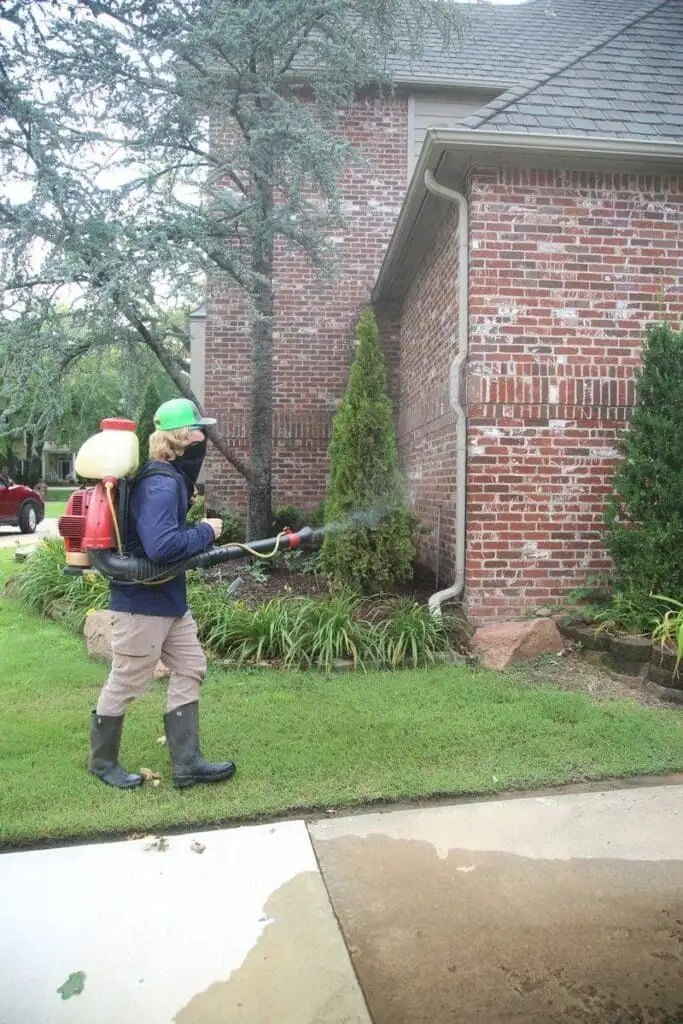
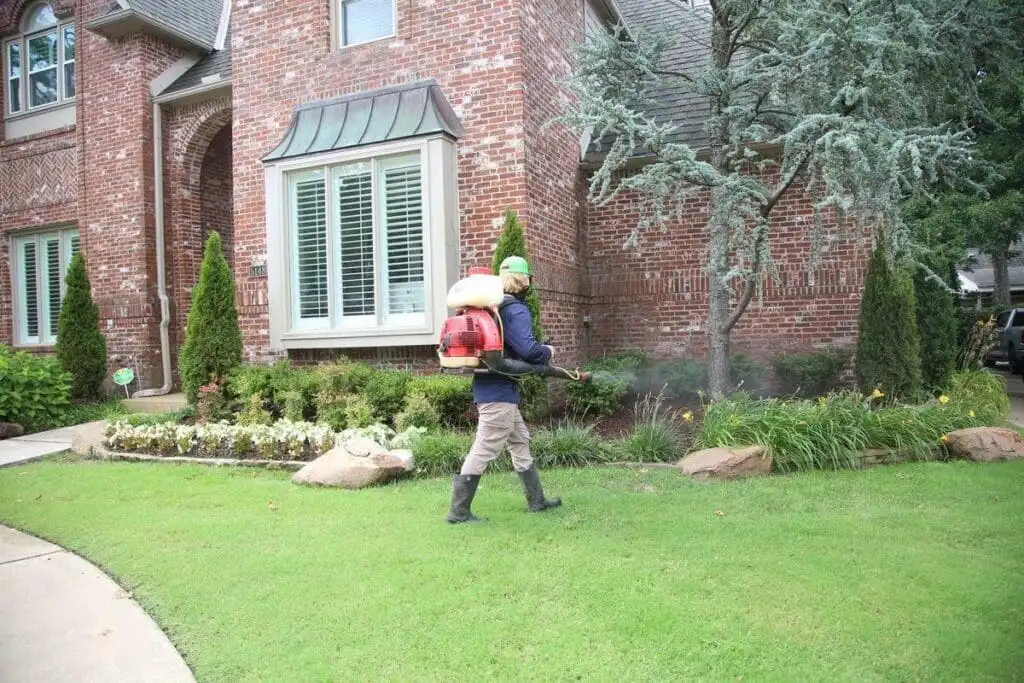
During the day, mosquitoes are not gone. They are resting in the cool, shaded areas of your yard, waiting for the temperature to drop and the sun to fade so they can emerge and feed. The common thread is moisture and shade — anything that stays cool, damp, and protected from direct sun is attractive to mosquitoes.
Overgrown Shrubs & Hedges
Dense, untrimmed shrubs create the humid, shaded microclimate that mosquitoes seek. The interior of a thick boxwood hedge can be 10 to 15 degrees cooler than the surrounding air on a hot summer day. Mosquitoes tuck into the undersides of leaves and rest there until conditions are favorable for feeding.
Ground Cover & Dense Bed Plantings
Hostas, liriope, ivy, pachysandra, and other ground covers that create a thick, low canopy hold moisture and block airflow at ground level. These areas stay cooler and damper than open lawn. Extensive ground cover beds in shaded areas or along the north side of your house are prime mosquito harborage zones.
Tall, Unmowed Grass
Grass that is allowed to grow too tall holds more moisture and provides more cover for resting mosquitoes. At Complete Lawn Care, our weekly mowing service maintains Bermuda at 1.5 to 2.5 inches and Fescue at 3 to 3.5 inches — both help reduce the dense, moist conditions mosquitoes prefer.
Mature Tree Canopy
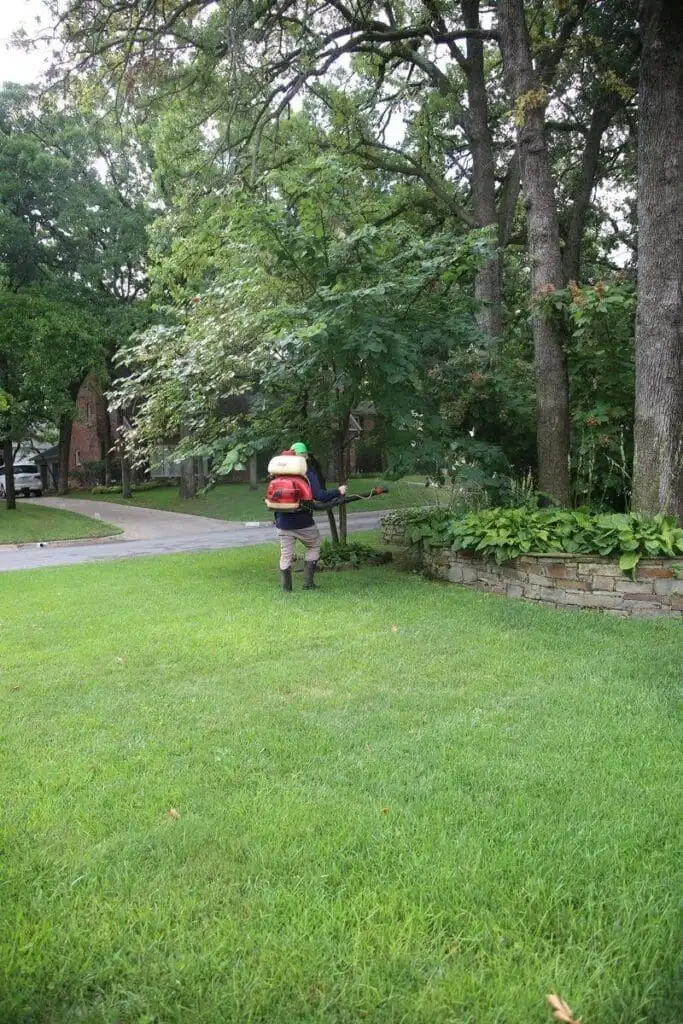
Large trees provide shade that keeps the ground and vegetation beneath them cool and moist for much of the day. Heavily treed properties tend to have worse mosquito problems. This is why professional barrier treatments focus heavily on treating the vegetation under and around tree canopies.
Leaf Litter & Mulch Beds
Decomposing leaves and thick mulch retain moisture and create cool, humid conditions at ground level. Keeping leaves cleared from beds during the growing season and maintaining mulch at a reasonable depth (2 to 3 inches rather than 6 inches) helps reduce the moisture that attracts resting mosquitoes.
What Attracts Mosquitoes to You Personally
Individual factors determine why mosquitoes seem to prefer some people over others. You cannot change most of these, but understanding them helps explain why you might feel like mosquitoes target you specifically.
Carbon Dioxide
Mosquitoes can detect the carbon dioxide you exhale from more than 150 feet away. People who are physically larger or who are exercising produce more CO2 and attract mosquitoes from a greater distance. A group of people on a patio produces a concentrated CO2 plume mosquitoes can track from across the yard.
Body Heat & Skin Bacteria
At closer range, mosquitoes home in on body heat, targeting ankles, wrists, and the back of the neck. The specific bacteria on your skin also produce chemical compounds that mosquitoes find more or less attractive — people with high concentrations of certain types are more attractive, which is largely genetic.
Sweat, Dark Clothing & Alcohol
Physical activity produces lactic acid and other compounds that attract mosquitoes. Dark clothing stands out against a yard background and makes you more visible to them. Studies also show that drinking beer or other alcohol increases your attractiveness to mosquitoes — relevant if you're hosting a backyard barbecue on a warm Oklahoma evening.
Why Tulsa-Area Properties Are Especially Attractive to Mosquitoes
Oklahoma's climate and the way most Tulsa-area residential properties are designed create a nearly perfect combination of mosquito attractants.
Oklahoma's Clay Soil Creates Drainage Problems
Heavy clay soil does not absorb water quickly. After a storm, water sits on the surface and in low spots longer than it would in sandier soils. Many Tulsa-area neighborhoods in south Tulsa, Broken Arrow, Bixby, and Jenks deal with standing water issues that directly fuel mosquito populations.
Mature Neighborhoods Have Ideal Vegetation
Established neighborhoods throughout Tulsa, Midtown, south Tulsa, Broken Arrow, and Owasso have large trees, mature landscaping, and dense shrub beds that provide exactly the shaded, humid resting habitat mosquitoes need. These neighborhoods are beautiful — but from a mosquito's perspective, they are also paradise.
Frequent, Intense Spring & Summer Storms
Oklahoma does not get gentle, steady rain. We get heavy downpours that dump an inch or more in a short period, filling every low spot, container, and drainage area on your property. This creates repeated breeding opportunities throughout the spring and summer mosquito season.
Ready to Take Back Your Yard?
Complete Lawn Care's professional mosquito barrier treatments target the vegetation and harborage zones where mosquitoes rest, dramatically reducing the population on your Tulsa-area property. Get started today.