How to Stop Armadillos from Digging Up Your Broken Arrow Lawn
The most effective way to stop armadillos from digging up your Broken Arrow lawn is live trapping and removal, combined with reducing the conditions that attract them in the first place. Repellents, mothballs, and scare devices are not effective. The honest answer is that armadillo control requires consistent effort.
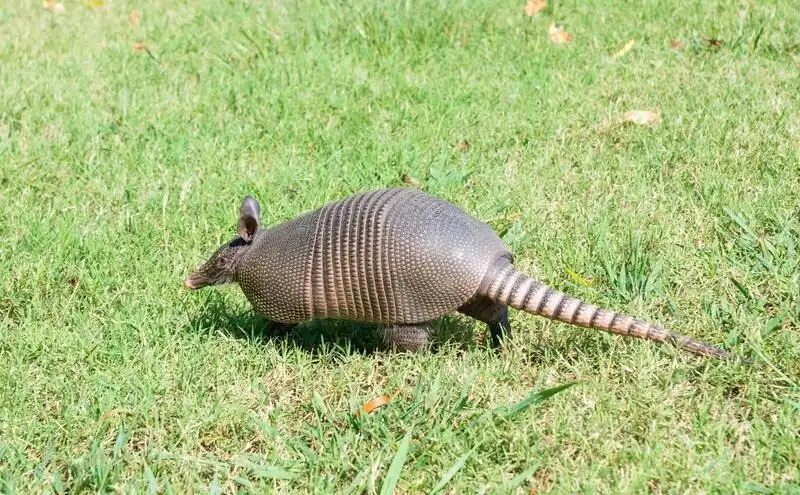
Why Armadillos Are Digging Up Your Lawn
Armadillos are not digging for fun. They are hunting. The nine-banded armadillo feeds almost exclusively on insects, grubs, and earthworms that live in the soil. Their powerful front claws and remarkable sense of smell allow them to detect invertebrates several inches underground and dig them out quickly.
Irrigation Makes It Worse
According to Oklahoma State University Extension, armadillo damage is most pronounced during summer months in irrigated lawns. Irrigation makes soil softer and easier to dig through, and brings invertebrates closer to the surface where armadillos can reach them.
Easy to Identify Damage
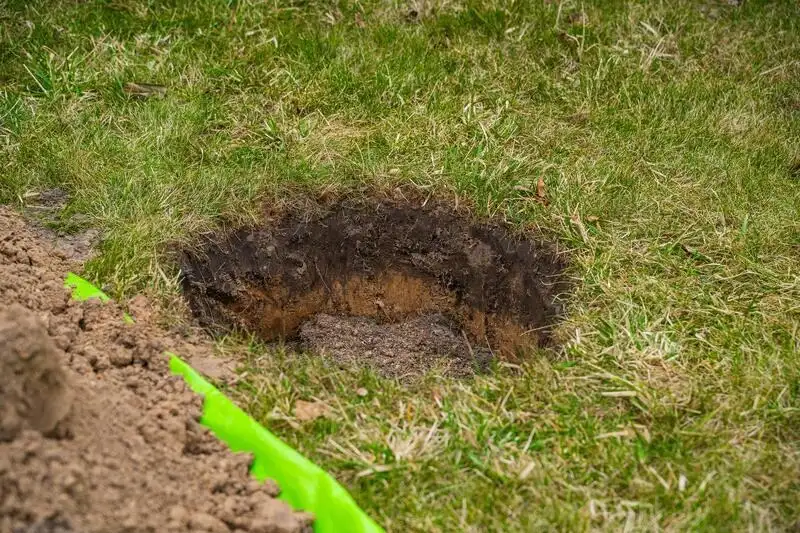
Armadillos leave multiple shallow holes, typically three to six inches deep, scattered across the lawn. The holes appear overnight because armadillos are primarily nocturnal. You go to bed with a nice lawn and wake up to what looks like someone took a garden trowel to random spots across your yard.
Common in Broken Arrow
In Broken Arrow, many homes back up to wooded creek areas along Haikey Creek and numerous green spaces. Armadillos maintain burrows in wooded areas and venture onto residential lawns at night. If your property borders a tree line or creek, you are especially likely to see armadillo activity.
What Does NOT Work
A lot of homeowners waste time and money on approaches that sound reasonable but do not produce results. Let's get the bad news out of the way first.
Repellents
OSU Extension is direct: repellents are not considered effective for keeping armadillos out of the landscape. This includes castor oil products, commercial sprays, and granular deterrents. They may cause an armadillo to avoid a small area temporarily, but it will simply move to another part of your yard.
Mothballs & Ammonia
Common internet recommendations that do not work. Mothballs contain known carcinogens and are designed for insect control in enclosed spaces. Ammonia evaporates quickly outdoors. Neither substance warns armadillos of danger — they simply walk around it.
Scare Devices
OSU Extension notes that scare tactics do not provide relief from armadillo damage. Armadillos have poor eyesight and are remarkably single-minded when foraging. Motion-activated lights and noise makers may startle them briefly, but they return as soon as they realize there is no actual threat.
Eliminating Grubs
OSU Extension cautions against this as a primary strategy. Reducing food supply can actually increase damage temporarily as armadillos dig more aggressively. Soil insecticides can also harm beneficial insects. OSU recommends targeting the armadillo rather than the insect community.
What Actually Works: Trapping and Removal
Trapping is the most consistently effective method for controlling armadillos on residential properties. Oklahoma State University Extension recommends using a large live-catch cage trap, ideally 10 by 12 by 32 inches, with doors on both ends.
Placement & Funneling
Armadillos rarely climb over obstacles, so use boards, temporary fencing, or existing landscape barriers to funnel them toward the trap opening. Place the trap where damage is concentrated or along the route the armadillo is using to enter your property.
No Bait Required
The trap does not need to be baited. Armadillos are often caught simply by being funneled into the trap as they follow their habitual foraging path. Running irrigation near the trap can help draw them in. Lining the bottom with freshly dug soil also improves capture rates.
Safety & Legal Notes
Armadillos are not protected in Oklahoma and may be trapped year-round. Always wear gloves when handling traps or disturbed soil — armadillos are the only mammal other than humans known to carry leprosy. It is not legal to relocate a trapped armadillo without landowner permission at the relocation site.
Making Your Lawn Less Attractive to Armadillos
While trapping removes the immediate problem, making your property less inviting reduces the chance that a new armadillo moves in to fill the vacancy. Here are practical steps that actually help.
Reduce Unnecessary Irrigation
This is the single biggest factor within your control. Armadillos are drawn to irrigated lawns because soft, moist soil is easier to dig through. Water efficiently, not excessively. Complete Lawn Care offers irrigation repair and maintenance to ensure your system delivers the right amount of water.
Water in the Early Morning
Armadillos forage at night. If you run irrigation in the evening, soil is at peak moisture exactly when armadillos are most active. Watering in the early morning gives the surface time to dry before nightfall, making it slightly less attractive for overnight foraging.
Remove Cover Near Your Lawn
Armadillos prefer areas with brush, woodpiles, low-growing shrubs, and dense ground cover where they can hide. Cleaning up these areas around the perimeter of your property, especially along fence lines and wooded edges, makes the space less sheltered for armadillos.
Install Targeted Fencing
OSU Extension notes that fences more than 12 inches tall can eliminate most armadillo access, as long as the fence fits closely to the ground. For small, high-value areas like flower beds or vegetable gardens, a low fence buried a few inches into the soil can be effective.
Repairing Armadillo Damage to Your Lawn
Bermudagrass Recovers Well
Bermudagrass is a rhizomatous grass that spreads through underground runners. Healthy bermudagrass can fill in bare patches on its own, provided the lawn is getting proper nutrition, water, and mowing. Fill holes with topsoil, press surrounding turf back into contact with soil, and water the repaired areas. Bermudagrass will send runners across bare spots within a few weeks.
Fescue Is More Challenging
OSU Extension notes that cool-season grasses like fescue are more problematic because bare patches will need to be reseeded in the fall. Fescue also requires more irrigation than bermudagrass during the Oklahoma summer, which makes fescue lawns even more attractive to armadillos. This is one of many reasons our team generally recommends bermudagrass for Tulsa-area lawns where conditions allow it.
Complete Lawn Care's 7-Step Program
Our 7-step lawn care program is designed to keep your bermudagrass as thick and healthy as possible, which directly improves its ability to recover from armadillo damage. Proper fertilization timing, soil health management, and consistent mowing all contribute to a lawn that fills in faster after damage. We also recommend annual soil testing.
Armadillo Damage vs. Other Lawn Damage
Before you declare war on armadillos, make sure they are actually the cause of your lawn damage. Several other animals create similar-looking disturbances in Tulsa-area yards.
Skunks
Skunks dig shallow, cone-shaped holes that are smaller than armadillo holes — typically less than four inches in diameter and less than three inches deep. Skunk damage often appears in clusters and is usually accompanied by a distinct odor if the animal has been active recently.
Squirrels
Squirrels dig small holes when burying or retrieving nuts and seeds. Their holes are generally very small and shallow, and you are more likely to see squirrel digging near trees or landscape beds where they cache food rather than randomly across open lawn areas.
Armadillo Holes
Armadillo holes are typically three to six inches deep, randomly scattered across open lawn areas, and appear overnight. Armadillos also root through loose mulch in landscape beds, similar to how a pig roots through soil. If the holes are large and scattered, armadillos are the likely culprit.
Need Help with Armadillo Damage or Lawn Recovery?
Complete Lawn Care serves Broken Arrow, Tulsa, and surrounding areas. Our team provides irrigation repair and maintenance, professional lawn care programs, and expert guidance to help your lawn recover and stay healthy — even after armadillo damage.