Tulsa Irrigation Winterization Guide
Everything Tulsa-area homeowners need to know about winterizing their irrigation system — from full blowout shutdowns to active winter operation with freeze protection.
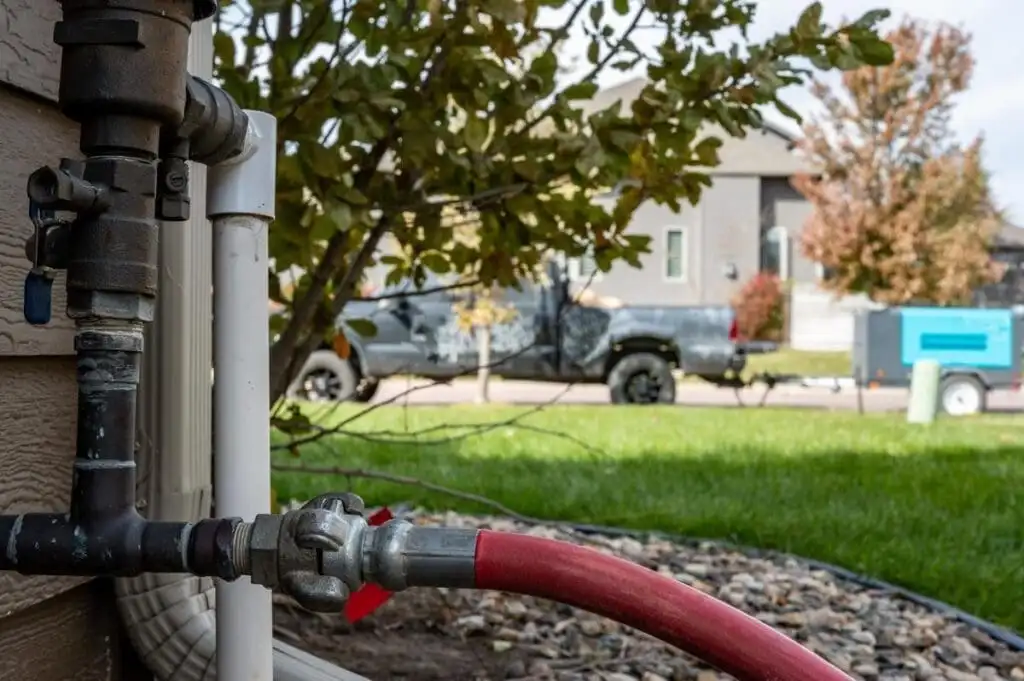
Why Tulsa Irrigation Winterization Is Different from Northern States
Oklahoma's climate creates a specific winterization challenge that homeowners who have lived elsewhere sometimes underestimate. Unlike northern states where winter temperatures drop well below zero and irrigation systems are definitively shut down for five or six months, Tulsa winters are highly variable — temperatures swing between warm enough to run irrigation (50 to 70 degrees in November and December) and cold enough to cause catastrophic freeze damage (single digits during arctic events) sometimes within the same week.
Tulsa's average first hard freeze (below 28 degrees Fahrenheit) falls between November 5 and November 15, but early cold snaps in October are not uncommon, and late-season warmth can extend the irrigation season into November on properties with established landscapes or fall plantings that need water. The average last freeze in spring falls between March 20 and April 5, though late cold snaps extend into April some years.
This variability is why Tulsa-area irrigation winterization is not a single event but a decision with timing implications. The classic mistake is waiting too long — a 70-degree October followed by a sudden hard freeze catches unprepared systems with water still in the pipes. The opposite mistake is winterizing so early that fall landscape plantings go without irrigation through dry November conditions.
The Most Vulnerable Component: Your Above-Grade Assembly
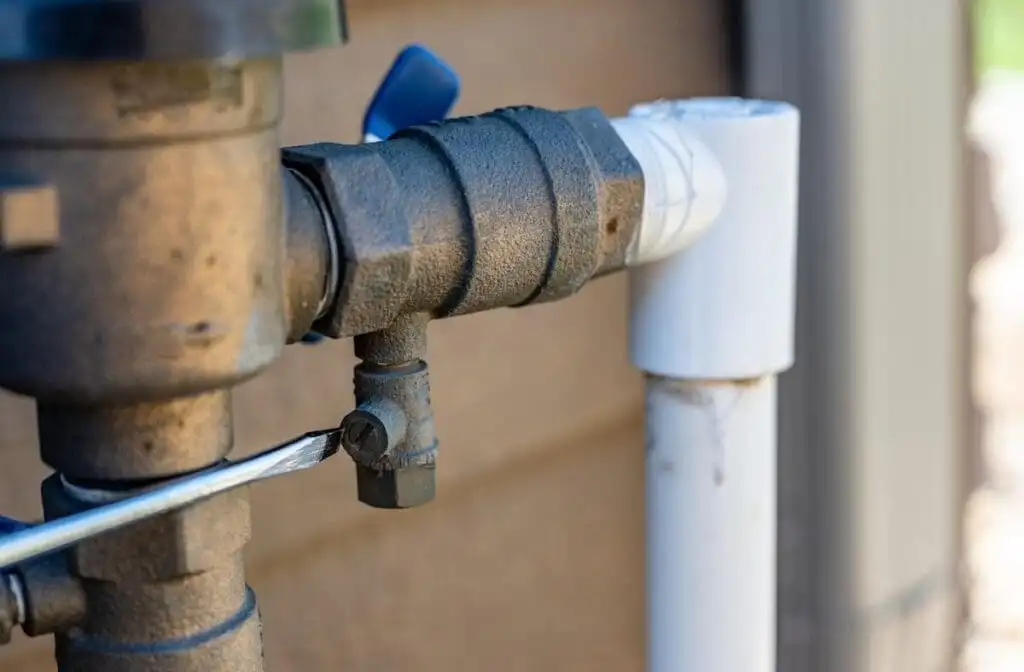
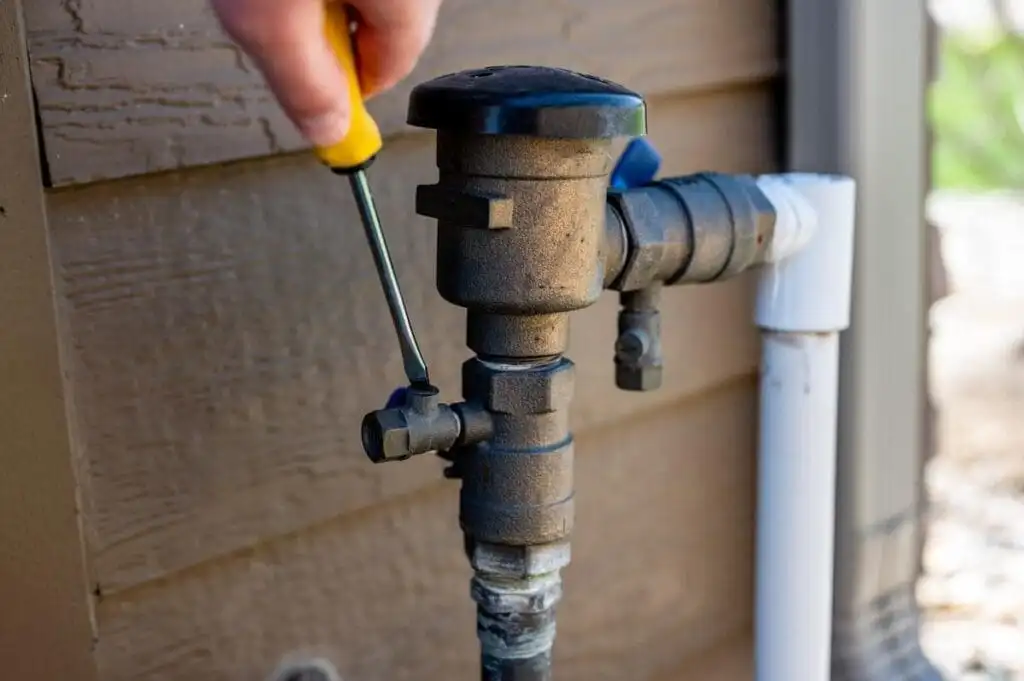
The above-grade supply pipe and backflow preventer are the most vulnerable components in any Tulsa-area irrigation system during winter. Buried PVC zone lines are below frost depth and rarely freeze, but the above-grade assembly is fully exposed to ambient temperatures. Protecting this assembly — either by shutting down the system and draining it or by installing heat tape for active winter operation — is the most important single step in Tulsa irrigation winterization.
Option 1: Full Blowout Winterization (Standard Approach)
The compressed air blowout is the most thorough and widely used winterization method for residential irrigation systems in Tulsa. It removes virtually all water from the zone lines, eliminating the primary freeze risk to buried components. Combined with draining and protecting the above-grade components, it provides reliable freeze protection through any Oklahoma winter event.
What the blowout does and why it works: compressed air, introduced into each zone line through the backflow preventer or the irrigation main, pushes the water out through the zone heads. Each zone is run individually from the controller while the air is introduced, forcing the air column through the entire pipe run and expelling water from the heads at the far end. When the heads are running mist and then blowing dry air, the line is adequately purged.
Blowout Process — Step by Step
Step 1: Close the Supply Valve
Close the main irrigation supply valve — typically near the backflow preventer or the point where irrigation splits from the household supply. This isolates the irrigation system from the water supply.
Step 2: Connect Compressed Air
Connect the compressed air source at the blowout port. Use a compressor capable of at least 20 to 25 CFM. Do not over-pressurize: maximum 50 PSI for polyethylene pipe and 80 PSI for PVC.
Step 3: Blow Out Each Zone
Start from the farthest zone and work back toward the supply. Activate each zone from the controller for 2 to 3 minutes or until the heads are blowing visible mist. Do not allow a zone to run dry for extended periods.
Step 4: Repeat the Sequence
Run each zone 2 to 3 times through the sequence to ensure complete evacuation. On the final pass, the heads should blow primarily dry air with no water evident.
Step 5: Drain the Backflow Preventer
Open the small test cocks on the backflow preventer body to drain retained water. Leave the test cocks slightly open or remove them entirely and store inside for winter — this is the most commonly skipped step and the one that most often results in a cracked preventer at spring startup.
Step 6: Insulate and Set Controller
Wrap above-grade supply pipe, the backflow preventer housing, and the shut-off valve with foam pipe insulation. Set the controller to the Off or Rain/Off position. Leave the controller plugged in to preserve zone programming.
Tulsa Blowout Timing Recommendation
Optimal Window
Late October through the first two weeks of November. Trigger when overnight forecasts begin consistently showing temperatures of 35°F or below.
Early Is Always Safer
A system winterized in mid-October loses nothing in terms of spring performance. A system caught unprepared in a November freeze loses pipe fittings and backflow parts.
Monitor the Forecast
Monitor the 10-day forecast in late October each year rather than using a fixed calendar date, since Tulsa's first freeze date varies by two to three weeks across years.
Option 2: Active Winter Operation with Freeze Protection
Full blowout winterization is not the only choice for Tulsa-area homeowners. If you have fall and winter landscape plantings — established ornamental beds, newly planted trees and shrubs, winter annuals like pansies and snapdragons, or containers that benefit from occasional watering — shutting the system down entirely in November means hand watering or watching plants go dry during extended rainless stretches. There is a better option.
With the right combination of two components, you can keep your irrigation system fully operational through Oklahoma's mild winter periods while being automatically protected from freeze damage.
The Two Components You Need
Component 1: Freeze Sensor
A freeze sensor mounts in a shaded location and monitors ambient temperature. When temperature drops to the sensor's set point — typically 37 to 40°F — the sensor interrupts the controller signal and prevents any zones from running, exactly as a rain sensor does during precipitation. When temperature rises above the set point, the system resumes normal scheduled operation. A combination rain/freeze sensor handles both conditions with a single device and is the most practical choice for year-round Tulsa irrigation.
Component 2: Heat Tape on the Backflow Preventer
Self-regulating electrical heat cable wrapped around the backflow preventer body, supply pipe, and shut-off valve assembly, covered with foam pipe insulation, keeps the preventer above freezing during cold snaps. Self-regulating heat tape automatically increases heat output as temperature drops and reduces it when temperature rises — it does not require a separate thermostat or manual control, and it is safe to leave installed year-round.
How the System Operates During an Oklahoma Winter
Mild Periods (Above 40°F)
The irrigation controller runs normally on whatever schedule you have set for winter landscape watering — typically reduced frequency, perhaps once every two to three weeks during dry periods.
When a Cold Front Arrives
The freeze sensor cuts off controller output before any irrigation runs in freezing conditions, preventing ice formation on hardscape and protecting zone lines from filling with water that might freeze in a shallow section.
After the Cold Front Passes
The freeze sensor resets, the heat tape reduces output, and the system returns to normal scheduled operation without any intervention from the homeowner.
This approach is particularly well-suited to Tulsa's climate because Oklahoma winters spend the majority of their time in the 40 to 60 degree range — cold enough that standard summer irrigation schedules are inappropriate, but warm and dry enough that landscape plants benefit from occasional watering.
Ready to Winterize Your Tulsa Irrigation System?
Whether you need a full blowout winterization or want to set up your system for protected active winter operation, Complete Lawn Care Tulsa has you covered. Don't wait for the first hard freeze.