Aeration
Should You Aerate Your Oklahoma Lawn This Fall? Here Is How to Decide
Complete Lawn Care • September 2026 • Tulsa, OK • 8 min read

Short Answer: For Fescue lawns, fall aeration (September through early October) is almost always the right call because it aligns with the grass's peak growing season and supports overseeding. For Bermuda and Zoysia (warm-season grasses), late spring is the ideal aeration window, but if you missed that, September aeration is still worthwhile on Oklahoma clay soils that benefit from compaction relief. The most important indicators that you need aeration: water runs off rather than soaking in, a screwdriver struggles to push into moist soil, the lawn feels spongy from thatch buildup, or it has been 2 or more years since the last aeration on clay soils. Here is the decision framework to help you choose for your specific lawn.
Aeration is one of the most impactful things you can do for an Oklahoma lawn, and it is also one of the most commonly skipped. Most homeowners know they probably should aerate but are not sure when, whether it is worth the cost, or whether their lawn actually needs it.
Here is how we walk through that decision with Tulsa-area homeowners.
What Aeration Actually Does
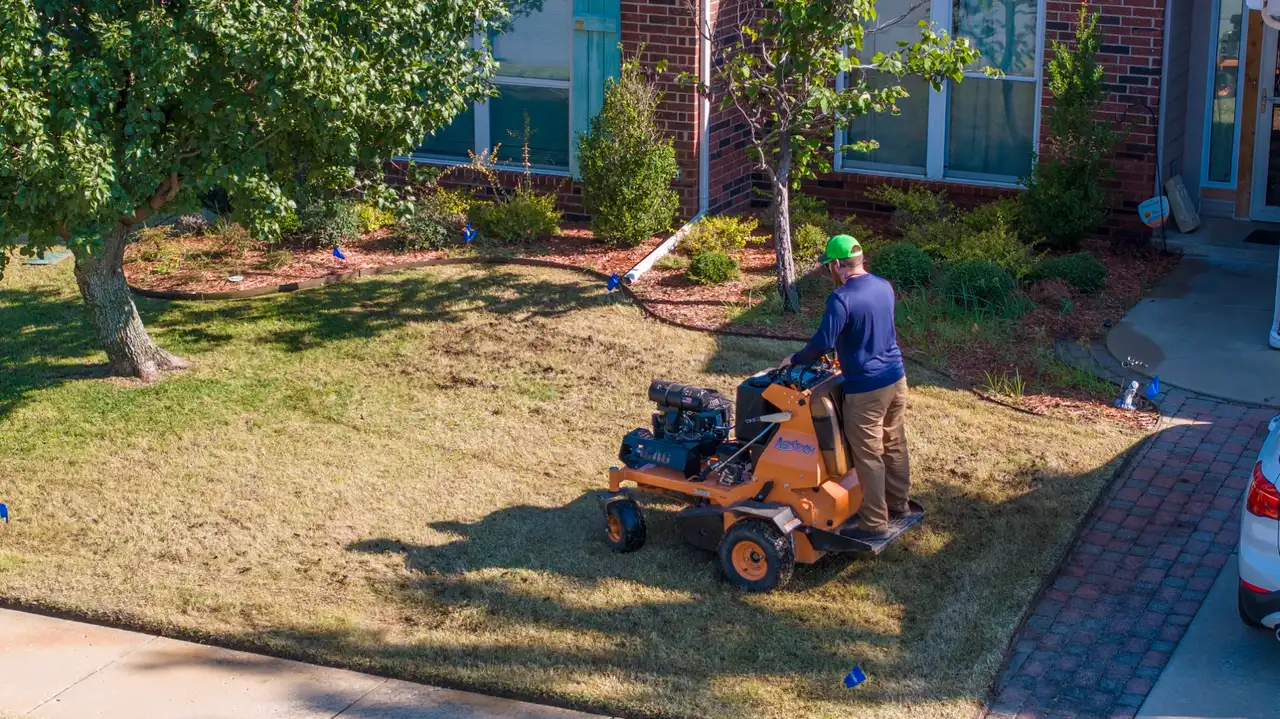
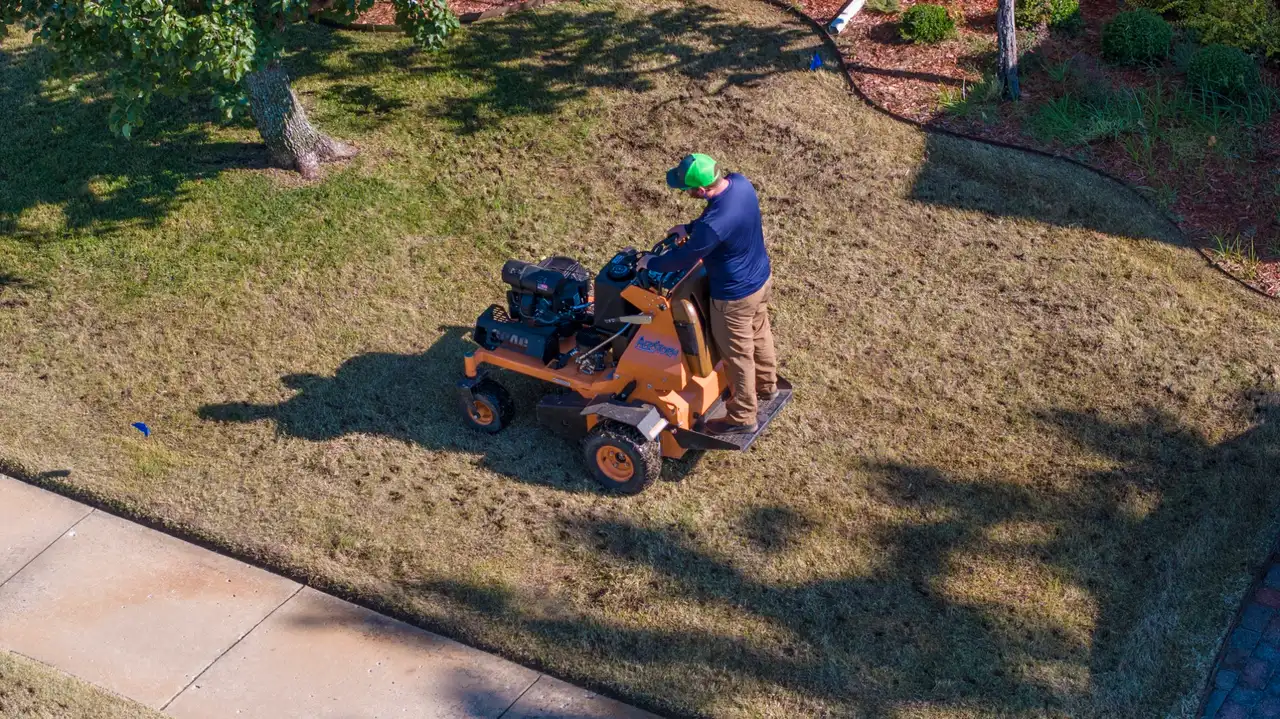
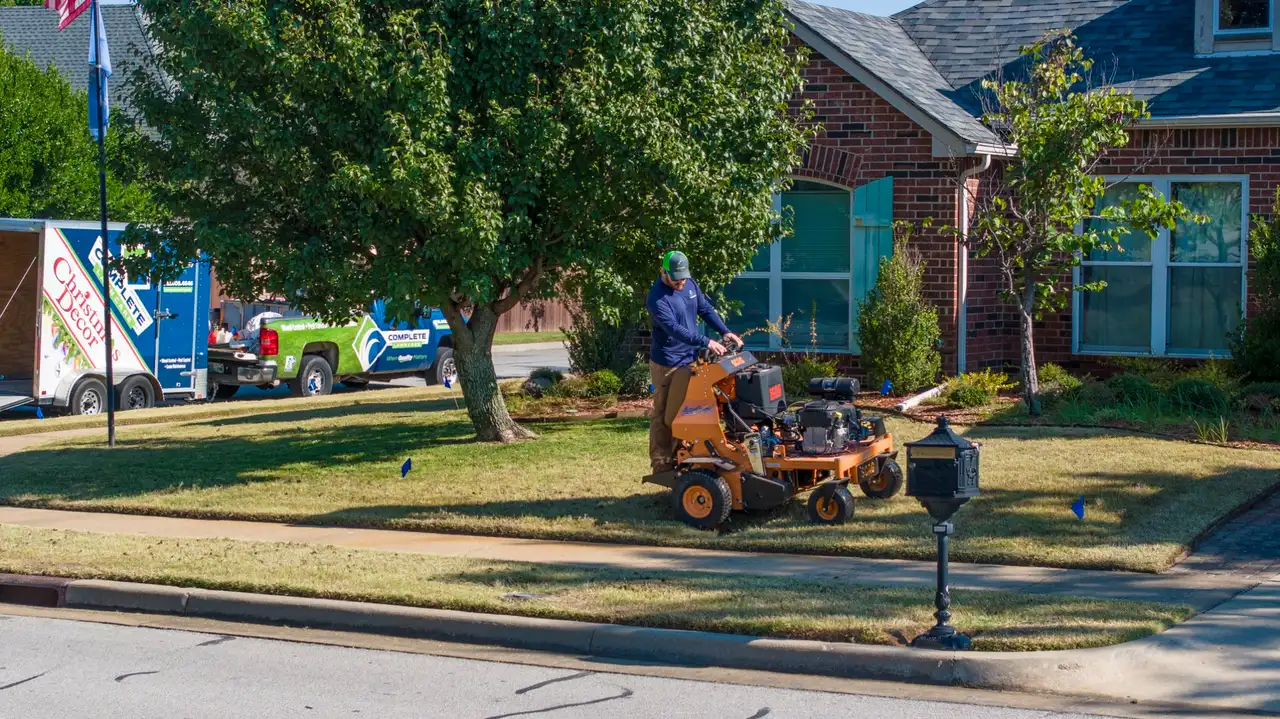
Core aeration removes small plugs of soil and thatch from the lawn, leaving holes that open up the soil structure. Those plugs are typically 2 to 3 inches deep and half an inch wide, spaced every few inches across the lawn.
The benefits are real and measurable:
Compaction relief. Clay soils (like most Tulsa red clay) compact naturally from foot traffic, mowing, and their own weight. Compacted soil prevents roots from growing deep, water from penetrating, and air from circulating in the root zone.
Improved water penetration. Water that was running off onto the driveway can now reach the root zone through aeration holes, meaning more of your irrigation actually supports the lawn.
Better nutrient delivery. Fertilizer reaches deeper into the soil through aeration holes, supporting deeper root development.
Thatch reduction. The soil plugs pulled up during aeration break down and deposit beneficial microbes on the surface that help decompose thatch.
Better seed establishment for overseeding. Aeration holes are ideal spots for seed to germinate with excellent soil contact.
These benefits compound over multiple years of aeration. A lawn that has been aerated regularly for 3 to 4 years has dramatically better soil structure than one that has never been aerated.
Signs Your Lawn Needs Aeration
The most common indicators:
Water runoff. When you water, does water run off toward the driveway or street rather than soaking in? Runoff means your soil is compacted and cannot accept water fast enough.
Hard soil. Push a screwdriver into the lawn when the soil is moist (a day after a rain or watering). If it goes in easily to a 4 inch depth, soil compaction is manageable. If you have to lean on it or cannot get it in at all, aeration would help significantly.
Thin or spongy feel underfoot. Excessive thatch buildup creates a spongy sensation when you walk on the lawn. Aeration helps manage thatch.
Persistent thin areas despite good care. If sections of the lawn have stayed thin despite proper fertilization and watering, compacted soil may be limiting root development in those areas.
High-traffic patterns. Lawns with heavy foot traffic (kids running the same paths, dogs wearing tracks, deliveries across the yard) compact faster and benefit from more frequent aeration.
Time since last aeration. If it has been 2 or more years on clay soil, you are probably due. Annually is optimal for most Tulsa clay soil lawns.
Timing for Fescue
Fescue is a cool-season grass that thrives in September and October. Aeration during this window aligns perfectly with active growth, which means the lawn heals from aeration quickly and makes use of the improved soil conditions immediately.
The ideal Fescue aeration window in Tulsa is mid-September through mid-October. Aerating earlier (August) is possible but summer stress can still affect healing. Aerating later (November) means the grass may not fully heal before dormancy.
Aeration combined with overseeding is the standard fall practice for Fescue. Aerate first, then seed at 5 to 8 pounds per 1,000 square feet, and the seed drops into the aeration holes for excellent germination.
Timing for Bermuda and Zoysia
Warm-season grasses have different ideal timing. The best aeration window for Bermuda and Zoysia is late May through June, when they are entering their peak growth phase. Aeration then means the grass recovers quickly and makes full use of the improved soil conditions through summer.
Fall aeration for warm-season grasses is a second-choice option. It still provides benefits (compaction relief, improved water penetration) but the grass is slowing toward dormancy and does not heal as quickly.
If you have not aerated your Bermuda or Zoysia this year, September aeration is still worthwhile, particularly on heavily compacted lawns. Just avoid late October or November, when dormancy is approaching and healing may not complete before winter.
When Aeration Is Not a Good Idea
There are situations where aeration should be skipped or delayed:
Recently sodded or seeded lawns. Aerating fresh turf damages the establishment. Wait at least a full season before aerating new installations.
Drought-stressed lawns. Aerating a lawn that is already under heat or drought stress piles injury on top of stress. Wait until conditions improve.
Very sandy soils. Some Oklahoma properties have sandy soils that do not compact the way clay does. Aeration provides less benefit and may not be worth the cost every year.
Lawns with significant root issues (tree roots, established invasive grasses). Aeration can damage surface roots of mature trees and should be done carefully in those areas.
Active disease outbreaks. Aerating through a disease event can spread the problem across the lawn. Address the disease first, then aerate afterward.
Spike vs. Core Aeration
Not all aeration is the same, and this distinction matters.
Core aeration uses hollow tines to pull plugs of soil out of the lawn. This is the real aeration that produces the benefits listed above. Commercial aerators (rental or service) do this.
Spike aeration uses solid tines to poke holes without removing soil. This provides a small short-term benefit but often makes compaction worse over time by pushing soil sideways against the surrounding compacted soil. Spike aerators, including the shoe attachments sold at hardware stores, are not worth the effort.
When you aerate (or hire someone to), insist on core aeration. If someone offers spike aeration, politely decline.
DIY vs. Professional Aeration
Core aeration equipment is heavy, hard to handle, and not something most homeowners own. The options:
Rental. Commercial core aerators are available from rental yards for roughly $75 to $150 per day. This works if you have the time, can handle the physical demand (these machines are heavy), and want to do it yourself. Be prepared for a tiring day.
Professional service. A professional aeration service on a typical Tulsa residential property runs $150 to $350 depending on lawn size. This includes equipment, labor, and typically a pass or two across the lawn for proper hole density.
For most homeowners, the professional service costs only slightly more than rental when you factor in the physical effort, and the results are typically more consistent. Two slow passes in opposite directions produces better aeration than one rushed pass, and professionals know the difference.
Combining Aeration with Other Services
Aeration produces the best results when combined with complementary services done around the same time:
Overseeding (for Fescue). Aerate then seed is the gold standard fall practice.
Topdressing with compost. After aeration, a light layer of quality compost raked across the lawn feeds the soil structure improvements. This is particularly valuable on heavy clay soils.
Fertilization. Applying fertilizer right after aeration maximizes the application's effectiveness because nutrients reach the root zone through the holes.
Soil amendments (lime, gypsum). If soil testing showed amendments are needed, applying them right after aeration accelerates their integration into the soil.
Bundling these services into one fall visit often makes economic sense and produces results that none of them would achieve individually.
What Aeration Costs for Typical Tulsa Properties
Ballpark pricing for standalone aeration service on Tulsa-area residential properties:
Small lots (under 5,000 square feet): $125 to $200
Medium lots (5,000 to 10,000 square feet): $175 to $275
Larger lots (10,000 to 20,000 square feet): $250 to $400
Combined services (aeration plus overseeding, topdressing, or fertilization) are typically discounted compared to buying each separately.
The Decision
Here is how we sum it up for most Tulsa-area homeowners:
If you have Fescue, aerate this fall. It is the single most valuable thing you can do for a Fescue lawn, and the timing is right.
If you have Bermuda or Zoysia and aerated this spring, you are set. Skip the fall aeration.
If you have Bermuda or Zoysia and did not aerate this spring, September aeration is a reasonable consolation. Do it now rather than waiting another year.
If it has been 3 or more years since any aeration on a clay soil lawn, aerate now regardless of grass type. The compaction has built up long enough that any window is worth it.
If you are about to undertake a renovation or overseeding project, aerate as part of the prep. It multiplies the effectiveness of everything else you are doing.
What to Do Next
If you want aeration on the schedule this fall, give us a call at (918) 605-4646 or request a quote online. Here is what to expect: we respond the same day, use satellite imaging to measure and assess your property (no walkthrough required, though if you want us on site we can usually be there same day or next), and send you a customized quote within a few days. If it is a fit, your first service is typically within a week. No contracts. Cancel anytime. Fall aeration schedules fill up fast. If it is on your list for this year, start the conversation now rather than trying to schedule in October.