Complete Lawn Care • July 2026 • Tulsa, OK
Short Answer: A mid-summer sprinkler audit catches the issues responsible for most dry spots and water waste on Tulsa metro properties: misaligned heads, broken nozzles, pressure problems, coverage gaps, and timing issues. The audit typically identifies three to five issues per system that together represent 20 to 30 percent water waste. Fixes range from free adjustments to head replacements at modest cost. Most audits pay back through water savings within a single summer. Here is the comprehensive checklist we run on customer properties.
If your Tulsa metro lawn has dry patches even though your sprinklers are running, you have one of several common issues that a quick audit can identify. The good news is that finding them is usually straightforward, and most fixes are inexpensive.
What the Audit Covers
Head Position and Coverage
Run each zone and walk it while heads are operating. Check for heads spraying off target, heads that have shifted, heads sunken below grade, and heads that have been hit by mowers and damaged.
Spray Pattern Verification
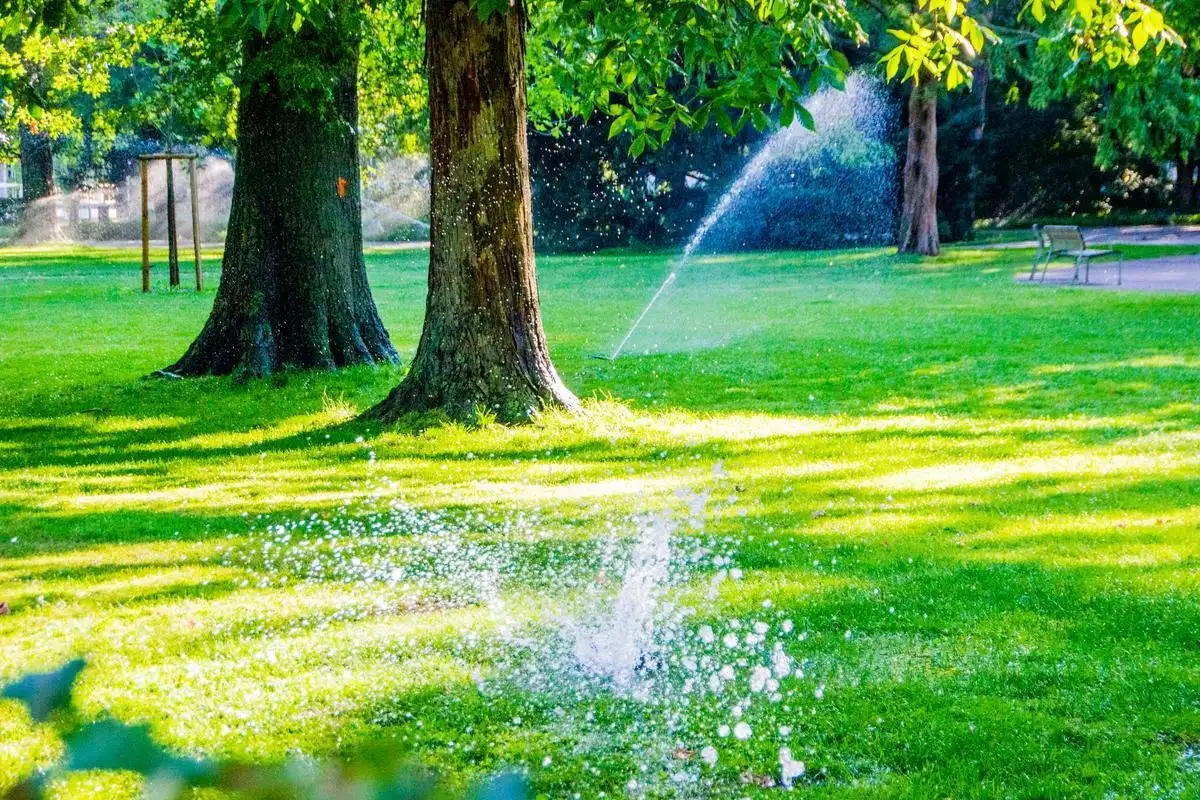
Each head should produce its designed pattern. Rotor heads should rotate smoothly through their arcs. Spray heads should produce uniform fan patterns. Heads producing geysers or asymmetric patterns need replacement or adjustment.
Pressure Check
Use a temporary pressure gauge installed on a riser to verify each zone runs in the appropriate pressure range. Spray heads typically want 30 to 50 psi. Rotor heads want similar or slightly higher.
Coverage Uniformity
Place catch cans across each zone and run for 15 minutes. Measure water in each can. The amounts should be roughly equal. Significant differences indicate coverage problems.
Controller Programming
Verify the controller is running the schedule you intended. Check for power outages that may have erased programming. Verify rain sensors and smart controller settings.
Common Issues We Find
Shifted Heads
Heads gradually shift over time from mower wheels and foot traffic. The head perfectly aimed at installation may be 10 to 15 degrees off after two seasons.
Broken Nozzles
Nozzles crack, clog, or break. A single damaged nozzle can leave a quarter of a zone unirrigated.
Pressure Problems
Low pressure produces poor coverage. High pressure produces excessive misting and water waste. Both are correctable with proper hardware.
Mismatched Heads
Some zones have a mix of head types installed over years of repairs. Mixed precipitation rates create uneven watering.
Bed Sprays Mixed With Lawn Sprays
Beds need different water than lawn. Systems watering both with the same heads always over or under-water something. Drip conversion of beds usually pays back within a season.
Cost Ranges for Common Fixes
Head adjustments and minor repairs are typically $25 to $75 per head. Nozzle replacements run $5 to $15 per nozzle plus labor. Full head replacements are $25 to $75 per head. Pressure regulator installation is $75 to $200. Controller upgrades to smart controllers run $200 to $500 plus installation.
A typical residential audit identifies several small fixes that together cost $100 to $300. The water savings from the fixes usually exceed that cost within one summer.
The Smart Controller Question
Smart irrigation controllers that adjust to weather can reduce water use by 15 to 30 percent on a typical system. They pay back through water savings within two to three years for most properties.
The smart controller does not fix mechanical problems. Coverage gaps, broken heads, and pressure issues need to be addressed regardless. The controller optimizes timing on a properly functioning system.
What an Annual Audit Habit Produces
Customers who audit annually consistently have better lawn quality and lower water bills than those who address issues only when they become urgent. The accumulated small improvements compound over years.
The Self-Audit vs Professional Audit Choice
Homeowners can do basic self-audits with the steps above. The catch can test, screwdriver test, and visual head inspection are approachable. Professional audits add pressure measurement, system documentation, and recommendations on broader system design.
For straightforward systems, self-audits work well. For complex systems or for homeowners who prefer professional handling, the audit cost is reasonable.
What to Check Right Now
Run each zone manually and watch the heads operate. Note any obvious issues. Set out catch cans for one zone and measure delivery. Check your controller program and verify rain sensor function. Most homeowners can do this in 30 minutes per zone.
Frequently Asked Questions About Sprinkler Audits
How often should I audit?
Annual audits in spring or early summer catch issues before peak watering season. Properties with chronic problems benefit from more frequent attention.
What is the most underrated check?
The catch can test. Most homeowners assume their heads deliver water evenly. Catch cans usually show otherwise.
How long should heads last?
Quality heads last 10 to 15 years. Lower quality may need replacement at 5 to 7. Most systems benefit from gradual upgrade over time.
Will smart controllers fix coverage problems?
No. They optimize timing on functional hardware. Fix mechanical issues first.
What is the typical professional audit cost?
Audits typically run $100 to $200 depending on system size. The value comes from identifying multiple issues at once and coordinated fixes.
How July Audits Compare to Other Timing
July audits catch issues that summer heat exposes. Spring audits identify problems before they cause damage. Both are valuable. Properties on annual maintenance often pair audits with spring startup or fall winterization to bundle service efficiently.
The Pattern of Properties With Best Long-Term Results
Customers on regular irrigation maintenance consistently have lower water bills and better lawn quality than properties addressing issues only when they become urgent. The compounding effect over multiple years is substantial.
Why Mid-Summer Audits Matter More Than Spring Audits
Spring conditions can hide system problems because temperatures and water demand are lower. Summer exposes every weakness. The audit done in July finds the real issues. Spring audits are good preventive measures; July audits find what is actually broken.
What Comes After the Audit
The audit produces a punch list. The fixes happen on a schedule that fits your budget and priorities. Most homeowners address the highest-impact items first (broken heads, coverage gaps) and tackle optimization (smart controller, pressure regulators) over time.
How an Audit Connects to Lawn Care Strategy
An efficient irrigation system makes everything else in lawn care work better. Fertilizer reaches the root zone. Pre-emergent activates uniformly. Disease pressure drops because watering is consistent. The audit pays back through better lawn results, not just lower water bills.
One Final Thought
The most underrated investment in lawn care for Tulsa metro properties is the irrigation system itself. We see lawns where the homeowner is spending money on premium fertilizer and pest control while the sprinkler system is wasting 30 percent of the water through poor coverage. Address the system. The rest follows.
What an Annual Irrigation Maintenance Program Includes
A typical annual irrigation maintenance program for our Tulsa metro customers includes spring startup with full inspection, mid-summer tune-up, fall winterization, and as-needed service calls. The combined cost is similar to two or three reactive service calls but produces dramatically better outcomes through prevention.
How New Systems Compare to Old Systems
Irrigation technology has improved significantly over the last 15 years. Pressure-regulated heads, high-efficiency rotors, smart controllers, and proper sensors all contribute to systems that use less water for better results. Properties with 15 to 20 year old systems often benefit from gradual upgrade rather than full replacement.
The Final Word on Tulsa Sprinkler Systems
Your irrigation system is the single most important piece of lawn care infrastructure on your property. It can make every other lawn care decision work better, or make every other decision struggle to overcome a wasteful or uneven system. The investment in keeping it working properly pays back through every other line item in your lawn care budget.
How to Decide When to Replace vs Repair
Older sprinkler systems sometimes reach a point where ongoing repairs cost more than starting over. The signs include frequent head failures, leaks at multiple zones, a controller that no longer supports modern features, and water pressure that the original design did not anticipate. Most Tulsa metro systems can be upgraded gradually rather than fully replaced, but knowing when each strategy makes sense matters.
If your system is 15 years old and has had three or more service calls this year, the conversation about a phased upgrade is worth having. The upfront investment usually pays back through reduced repairs, better lawn results, and lower water use within a few seasons.
What to Do Next
If you want help with any of this, we are glad to walk your property. We will look at your specific lawn, identify what is doing well and what needs attention, and tell you honestly what we recommend.
Call us at 918-605-4646 or visit completelawncaretulsa.com to schedule. We serve homeowners across Tulsa, Broken Arrow, Bixby, Owasso, Jenks, and surrounding communities.