July Lawn Care in the Tulsa Metro
A Mid-Summer Plan That Carries Bermuda Through August
Complete Lawn Care • July 2026 • Tulsa, OK
July in the Tulsa metro is the month where discipline matters more than effort. The right July plan eases back on nitrogen, raises mowing heights, deepens watering, watches for armyworm and disease pressure, and plans pre-fall renovation. The four weeks of July decide more about your September lawn than any other month.
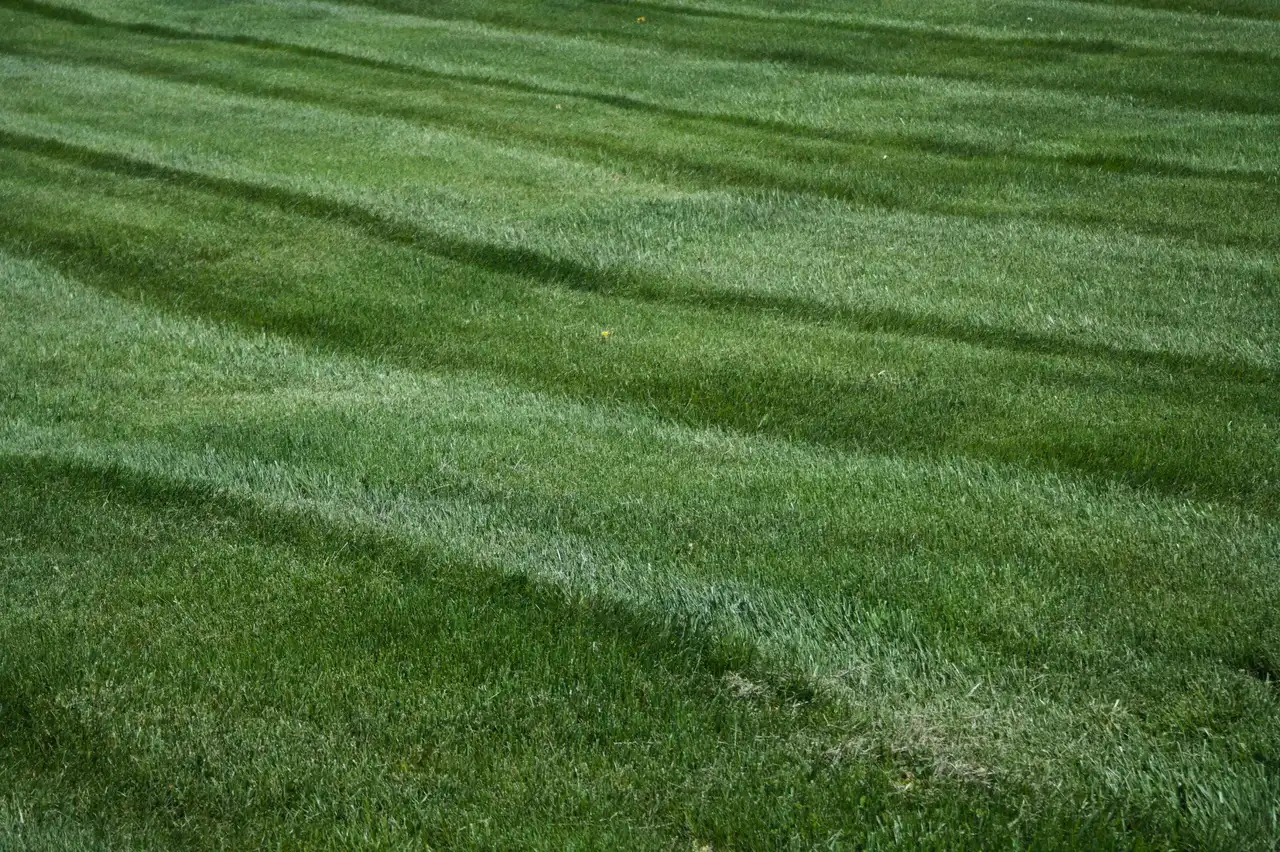
If your Tulsa metro lawn made it through June looking good, July is where you protect the investment. The temptation to keep pushing the same intensity of treatment that worked in spring creates more problems than it solves once Oklahoma heat sets in. The right July playbook is more about restraint than activity.
Your Week-by-Week July Plan
Week 1: Stop the Nitrogen Push
The most common mistake on Tulsa lawns in July is heavy nitrogen application. Homeowners see Bermuda losing the deep green from May and reach for fertilizer. The result is forced top growth the plant cannot support, depleted root reserves, and a lawn that looks worse in August. If you fertilized at the end of June, you do not need another application until late August.
Week 2: Raise the Mowing Deck
Bermuda lawns that worked at 1.5 to 2 inches through spring should be at 2.5 to 3 inches now. The taller canopy shades soil, holds moisture, blocks weed germination, and develops deeper roots. Sharpen the blade every twenty hours of mowing time — dull blades tear grass tips, lose water faster, and create entry points for disease.
Week 2: Deep Watering Verified
Run the screwdriver test after your next watering. A long screwdriver should slide into soil six inches without resistance. If it stops at two inches, your watering is too shallow. The correct Tulsa metro schedule is one inch per week in two long early-morning sessions. Heavy clay soils need cycle-and-soak to absorb rather than run off.
Week 3: Armyworm Watch
Mid to late July is when armyworm pressure typically begins in the Tulsa metro. Walk the lawn every two to three days looking for spreading brown patches, increased bird activity, or visible larvae. The drench test — dish soap solution poured on a square yard — brings armyworms to the surface within minutes. Catching them in the first 24 hours saves the lawn.
Week 3: Disease Scouting
July humidity in Tulsa creates conditions for brown patch and gray leaf spot. Walk the lawn in early morning while dew is still present. Look for circular brown areas with smoky edges (brown patch) or grayish lesions on individual blades (gray leaf spot). Catch either one early and the response is straightforward. Catch them late and damage extends.
Week 4: Plan the Pre-Fall Conversation
Aeration and overseeding for cool-season grass happens in September. The decisions are made in July. A property walk now identifies whether your lawn is a candidate for renovation and what timing fits the schedule. The slots for September aeration fill quickly — properties that book in July or early August get the timing they want.
What to Stop Doing in July
Pre-Emergent Applications
The window for pre-emergent has closed and the next window opens in August. Applications now do nothing useful.
Core Aeration
Core aeration in July stresses an already stressed lawn. The window is September, not summer.
Herbicide During Heat
Post-emergent applications above 85 degrees often damage desirable turf. Push spot treatments to early morning or wait for cooler weather.
Heavy Nitrogen
It is the single most common July mistake. Heavy nitrogen during heat stress hurts more than not fertilizing at all.
The Tulsa Watering Math
What Deep Watering Saves
A typical Tulsa metro Bermuda lawn of 5,000 square feet needs about 3,100 gallons of water per week during peak heat to maintain green color. Most homeowners running daily 15-minute cycles use 5,000 to 7,000 gallons per week for the same result. Deep infrequent watering uses less water, develops deeper roots, causes fewer disease problems, and produces a lawn that handles August heat better.
Mowing Frequency in July
Irrigated Bermuda in Tulsa grows fast enough in July that a standard weekly mowing schedule falls behind. Most properties benefit from cutting every five days during peak growth at a height of 2.5 to 3 inches. The one-third rule — never removing more than a third of the blade — is critical during summer because scalping during heat compounds stress.
What matters most under the surface in July is root depth. Lawns with shallow roots from years of light frequent watering struggle through heat. Lawns with deep roots from spring deep watering handle heat with less visible stress. The work for next July starts in March, not July.
Common Questions Homeowners Ask in July
My lawn is turning yellow. Should I add iron?
Sometimes. Often the yellow is heat stress and not iron deficiency. A soil test resolves the question rather than guessing.
Should I water more during heat waves?
Generally no. Deep infrequent watering should hold. Adding daily light watering produces shallow roots that fail later.
Is my lawn dying or going dormant?
Pinch a crown at soil level. Firm and white inside means dormant. Brown and brittle means dead. Bermuda usually goes dormant gracefully and recovers.
When should I book aeration?
Now or early August for September service. Late August booking often gets squeezed into less optimal dates. Book early to get the timing you want.
The Pattern That Works
Tulsa lawns that look the best in September are not the ones that got the most treatment in July. They are the ones whose owners did fewer things, better. The properties that come through Oklahoma July best share a few habits: they built deep roots through spring deep watering, they mow consistently at proper height with sharp blades, they watch the lawn carefully and respond to early signs, and they accept that the July lawn is supposed to look different from the May lawn rather than fighting the season.
Walking the lawn weekly is the single most underrated practice. Five minutes per week catches almost every problem before it becomes serious — armyworms, disease, dry spots, and irrigation issues are all visible early if someone is looking. Most homeowners stop walking the lawn carefully in July when the heat makes it less pleasant. The few who keep walking it have the best lawns by September.
What happens to your Tulsa lawn in July decides what is possible in September. Lawns that come through July with healthy crowns and intact root systems respond beautifully to fall aeration and overseeding. The customers who stayed disciplined through July consistently report their August lawn looks better than the lawn down the street where the homeowner was applying products every two weeks trying to chase color.
Ready to Walk Your Property?
We will look at your specific lawn, identify what is doing well and what needs attention, and tell you honestly what we recommend. We serve homeowners across Tulsa, Broken Arrow, Bixby, Owasso, Jenks, and surrounding communities.