How to Keep Your Lawn Green During a Tulsa Heat Wave
Complete Lawn Care • June 2026 • Tulsa, OK
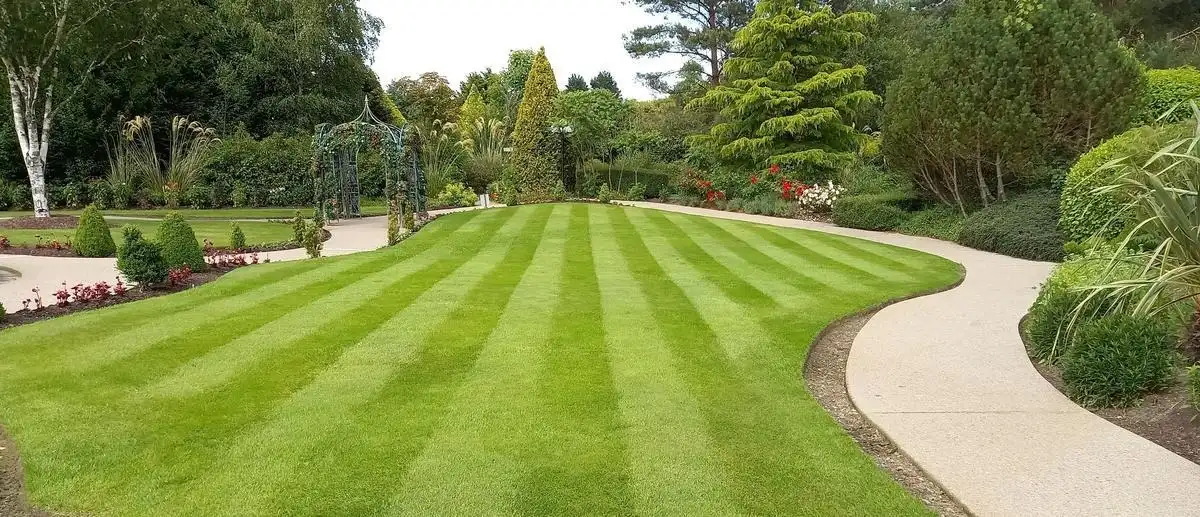
When a Tulsa heat wave hits — multiple consecutive days of 95-plus degrees — your lawn needs specific adjustments to stay green. Here is the complete guide to protecting your turf.
The Quick Answer: Heat Wave Essentials
When temperatures stay above 95 degrees for multiple consecutive days, here is what your lawn needs most.
💧 Increase Weekly Water
Raise total weekly watering to 1.5 to 2 inches delivered in 2 to 3 deep watering events.
🌅 Water Before Sunrise
Always water in the very early morning before sunrise for maximum absorption and minimum evaporation.
✂️ Raise Mowing Height
Raise your mowing height by one notch to shade the soil and reduce moisture loss from the turf.
🚫 Skip Fertilization
Do not fertilize during a heat wave. Fertilizer can burn already stressed grass and make things much worse.
🌿 Leave Grass Clippings
Leave clippings on the lawn after mowing. They act as a natural mulch that retains soil moisture.
🚷 Avoid Heavy Foot Traffic
Keep foot traffic light on stressed turf. Heat-stressed grass is far more easily damaged by activity.
Understanding Tulsa Heat Waves
Anyone who has lived through a Tulsa summer knows the pattern. A week or two of normal warm weather, and then a heat wave rolls in. Seven, eight, ten days of 95-plus temperatures with little to no rain. Lawns all over the metro start showing stress, and panicked homeowners start asking what to do.
Here is how we manage lawns through heat waves, and what you can do to protect yours. Lawns that are healthy going into a heat wave handle it much better than lawns that were already struggling — so preparation matters year-round.
Increase Water the Right Way
Your lawn's water needs go up significantly during a heat wave. But how you deliver that water matters as much as the amount.
Raise Total Weekly Water
Total weekly water should increase from the normal 1 to 1.5 inches up to 1.5 to 2 inches during extended heat. This makes a real difference in how the grass responds.
Deep and Infrequent Watering
Two to three watering events per week, each delivering about half an inch to three-quarters of an inch, is far better than daily short cycles. Deep watering encourages deep roots — the key to heat tolerance.
Watch Closely for Stress Signs
During a heat wave, check your lawn regularly for signs of drought stress or insect activity. Catching problems early makes them much easier to address.
Drought Stress Signals
Grass that turns a blue-gray color, footprints that stay visible in the turf, and blades that curl or fold lengthwise are all signs your lawn is drought stressed and needs water immediately.
Insect Activity
Heat waves can increase insect pressure on turf. Watch for irregular brown patches, thinning areas, or visible pest activity. Stressed grass is more vulnerable to insect damage than healthy turf.
Heat Wave Mowing Tips
Raise Your Cutting Height
Move your mower deck up one notch during a heat wave. Taller grass shades the soil, reduces surface temperature, and slows moisture evaporation — all critical during extreme heat.
Mulch Your Clippings
Leave grass clippings on the lawn rather than bagging them. Clippings decompose quickly and act as a light mulch that helps the soil retain moisture between watering events.
Avoid Mowing in Peak Heat
If you must mow during a heat wave, do it early in the morning or in the evening — never in the middle of the afternoon when temperatures are at their peak and the grass is most stressed.
What NOT to Do During a Heat Wave
Avoiding common mistakes is just as important as the right actions. Here are the things to skip until temperatures return to normal.
Do Not Fertilize
Fertilizer pushes growth, which demands more water and energy from already-stressed grass. It can also chemically burn turf during heat stress. Wait until the heat wave passes.
Do Not Overwater
More water is not always better. Overwatering promotes shallow roots and can lead to fungal issues. Stick to the recommended 1.5 to 2 inches per week in deep, infrequent sessions.
Do Not Allow Heavy Traffic
Heat-stressed turf is fragile. Heavy foot traffic, lawn games, and parking on the grass during a heat wave can cause lasting damage that takes weeks to recover from.
Prevention Is the Best Strategy
Lawns that are healthy going into a heat wave handle it much better than lawns that were already struggling. Regular professional lawn care — proper fertilization, aeration, and watering practices throughout the season — gives your turf the resilience it needs when extreme weather hits.