Mulch
By the landscape experts at Complete Lawn Care | Serving Tulsa, Broken Arrow, Bixby, Jenks, Owasso, and Sand Springs
The two best times to apply mulch in Oklahoma are mid-spring — typically late March through April — and again in early fall around September or October. Spring mulching protects plant roots and conserves soil moisture heading into Oklahoma's demanding summer heat, while fall mulching insulates roots going into winter and helps soil retain the organic matter that builds long-term bed health.
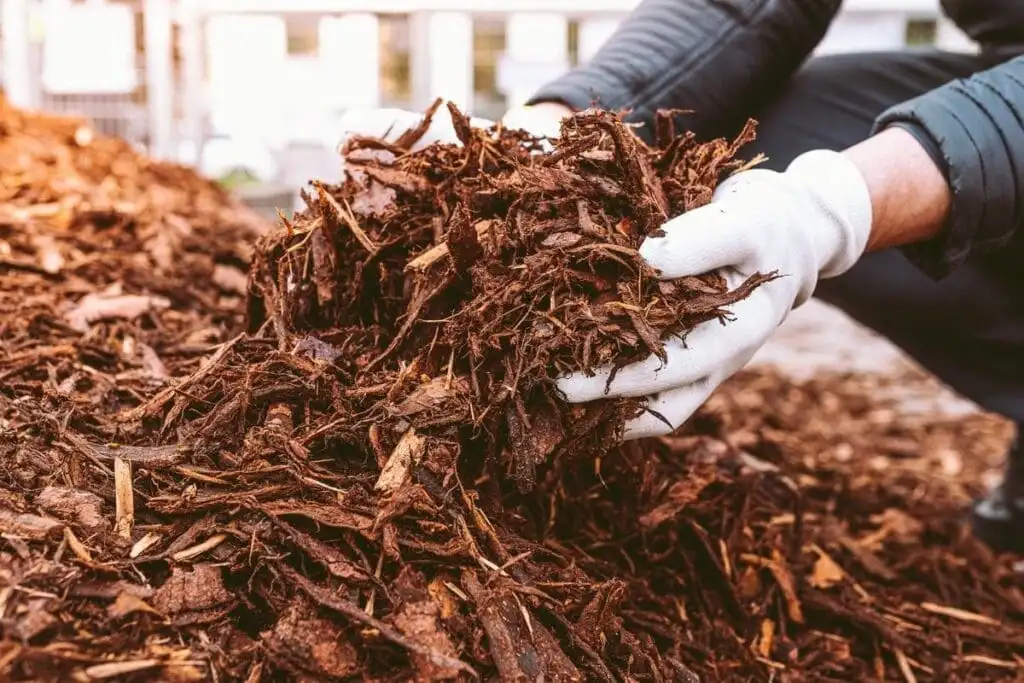
Quality shredded hardwood mulch — the texture, moisture content, and source material all affect how well mulch performs in Oklahoma's climate. Not all mulch is created equal.
Why Timing Your Mulch Application Matters in Oklahoma
Oklahoma's climate is not gentle. Tulsa-area summers regularly push above 100 degrees, the soil dries and cracks during drought stretches, and winter temperature swings can be dramatic — freezing hard for days then warming back into the 60s within a week. Mulch is one of the most effective tools a homeowner has for buffering plant roots against those extremes, but only when it is applied at the right time and in the right way.
Apply mulch too early in spring — before the soil has had a chance to warm up — and you trap cold in the root zone, slowing the emergence of perennials and the green-up of shrubs. Apply it too late in fall after the ground freezes and you lose most of the insulation benefit for overwintering roots. Apply too thick in the wrong season and you create moisture and disease problems that hurt more than they help.
Understanding the logic behind the timing windows makes it much easier to get right every year, regardless of whether a particular spring arrives early or a fall stretches warm later than expected.
Spring Mulching: The Most Important Application of the Year
Late March – April Window
In the Tulsa metro, the spring mulch window typically runs from late March through April. By late March, soil temperatures in northeast Oklahoma are usually climbing above 50 degrees consistently, perennials are beginning to push new growth, and shrubs are breaking dormancy.
Weed Suppression Timing
Applying spring mulch before weeds emerge is critical. Mulch applied over bare soil in early spring can suppress 70 to 80 percent of annual weed germination on its own. Mulch applied after weeds are already up does nothing to suppress them and just makes them harder to pull.
Right Depth: 2–3 Inches
Two to three inches is the right depth for spring application in Oklahoma beds. Deeper than three inches in summer heat can create anaerobic conditions and invite fungal issues. Shallower than two inches and you lose most of the weed suppression and moisture retention benefit.
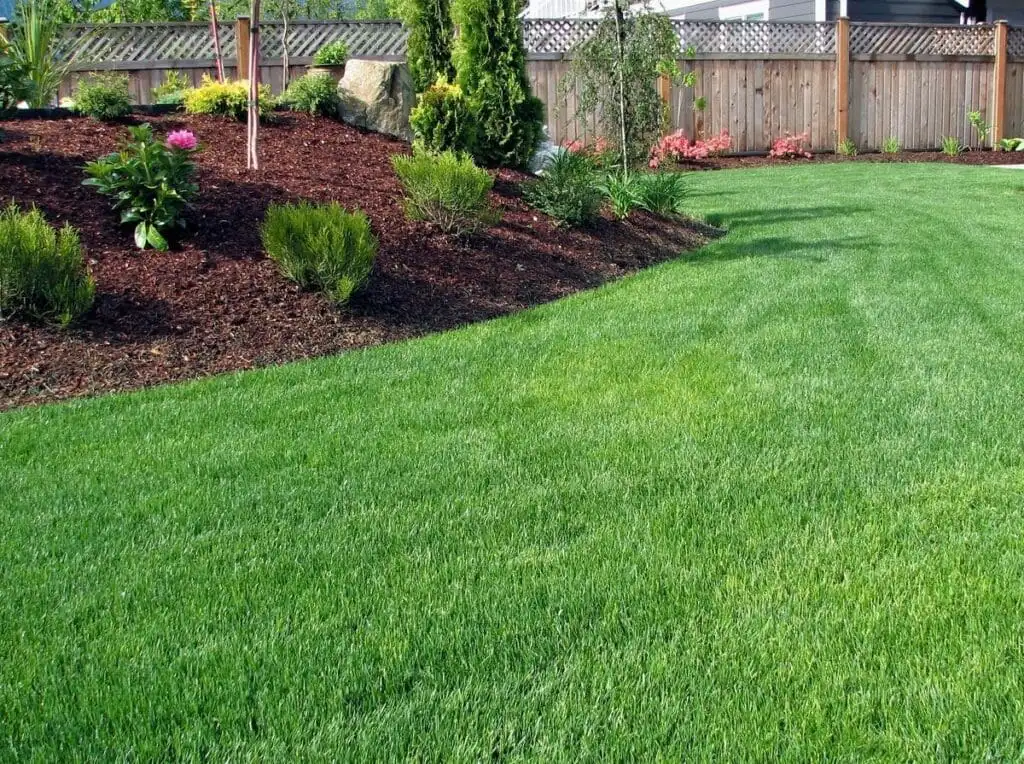
A well-mulched landscape bed alongside a healthy Tulsa-area lawn — proper mulch depth and clean bed edges make a significant difference in both plant health and curb appeal through the summer months.
Fall Mulching: The Application Most Homeowners Skip
Fall mulching gets far less attention than spring, but it delivers real benefits that compound over time — especially in Oklahoma's clay soils. The ideal window for fall mulch application in the Tulsa area is September through mid-October.
Root Insulation
When a hard freeze hits northeast Oklahoma — typically in November — plants whose root zones are covered with two to three inches of mulch experience less thermal shock than exposed roots. This is particularly valuable for marginally hardy plants and newly installed shrubs in their first winter.
Soil Health Over Time
Fall mulch continues the slow process of organic matter decomposition into the soil. Over multiple seasons, this is one of the most effective ways to improve Oklahoma clay soil from the top down — each year's mulch layer breaks down into organic material that improves soil structure, drainage, and microbial activity.
Timing Caution
Do not mulch too late in the season. Mulch applied after the ground has already frozen hard does not insulate effectively. You want the mulch in place before the first hard freeze, not after.
What Type of Mulch Works Best in the Tulsa Area?
Shredded Hardwood
The most widely used and best all-purpose choice for Tulsa-area landscape beds. It breaks down at a moderate pace, knits together well to resist washing in heavy rains, and improves soil structure as it decomposes. Choose aged or composted mulch over freshly chipped wood.
Cedar Mulch
Popular for its natural insect-repelling properties and longer lifespan. It does not break down as quickly as hardwood, needing less frequent refreshing, but contributes less organic matter to the soil over time. A reasonable choice for low-maintenance beds.
Pine Bark Nuggets
Provide good drainage and a clean appearance but tend to float and migrate in heavy Oklahoma rain events. For sloped beds or areas with significant runoff, shredded material stays in place better.
Rubber & Rock Mulch
Both have meaningful drawbacks for plant health. Rubber mulch absorbs heat dramatically in full Oklahoma sun, potentially damaging plant roots. Rock mulch raises soil temperature and increases evaporation. For plant beds where long-term soil health matters, organic mulch is the right choice every time.
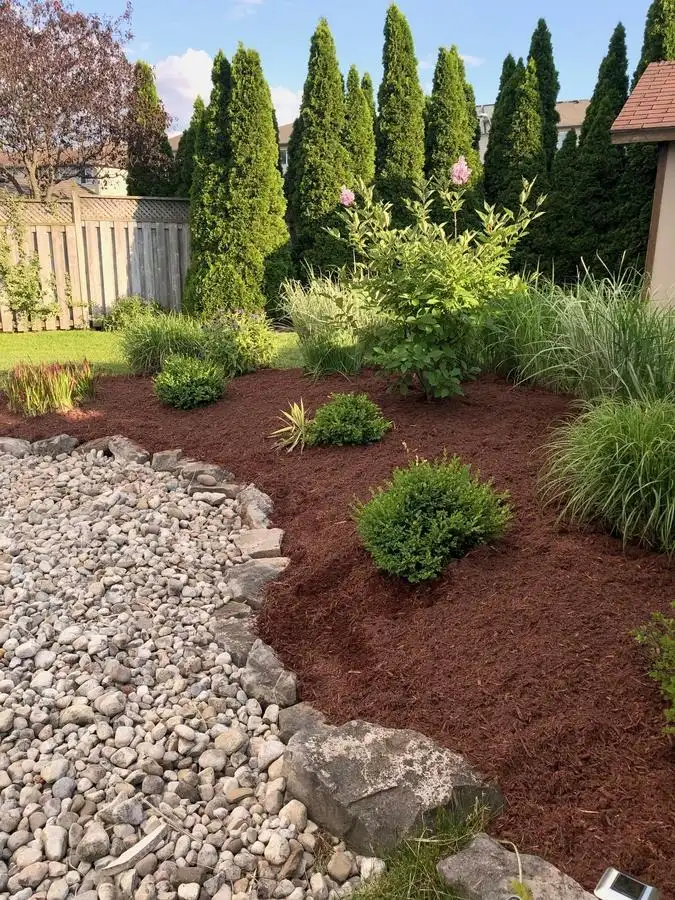
A professionally maintained landscape bed with fresh mulch around established shrubs and ornamental grasses — consistent annual mulching protects roots, suppresses weeds, and builds better soil with every season.
Common Mulching Mistakes Oklahoma Homeowners Make
Volcano Mulching Around Trees
Piling mulch directly against the base of a tree trunk traps moisture against the bark, promotes fungal disease, and creates habitat for insects and rodents. Mulch should stop two to three inches away from the trunk and extend outward to the drip line in a flat layer — not piled.
Applying Too Thick
More than three to four inches of mulch in Oklahoma's humid summer conditions can prevent water and oxygen from reaching roots, create anaerobic pockets that foster root rot, and cause shallow surface roots more vulnerable to drought. Two to three inches is sufficient.
Skipping the Edging Step
Fresh mulch applied without clean bed edges migrates into the lawn and looks sloppy within a few weeks. Re-cutting bed edges before mulching creates a physical barrier that keeps mulch in the bed and gives the finished result a clean, intentional appearance.
Using Fresh Wood Chips
Freshly chipped green wood has a high carbon-to-nitrogen ratio that can temporarily pull nitrogen from the soil as microbes break it down. If you receive fresh chips from tree work, let them age for at least a few months before using them in plant beds near sensitive ornamentals.
Not Refreshing Mulch Annually
Mulch breaks down over the course of a season. By the following spring, most organic mulch has compacted and thinned to a fraction of its original benefit. Refreshing with a thin one-inch topdress each spring — rather than removing and replacing the entire layer — is the most efficient approach.
Quick Answers: Mulching FAQs for Oklahoma Homeowners
Can I mulch in the summer?
Yes, though it is less ideal than spring. Summer mulching still provides moisture retention and some weed suppression benefit. Avoid applying during extreme heat over existing plants that are already stressed. If you missed spring, a summer application is still better than nothing.
How much mulch do I need?
To cover 100 square feet at two inches deep, you need roughly 0.6 cubic yards, or about 17 cubic feet. Most bags at home improvement stores are 2 cubic feet, so about 8 to 9 bags per 100 square feet. Bulk delivery by the yard is significantly more cost-effective for larger beds.
Should I remove old mulch before adding new?
Generally no — removing functional old mulch wastes the organic matter it has already started contributing to the soil. Rake the existing layer to break up any compaction or matting, then topdress with one inch of fresh material. Remove old mulch only if it has developed mold, has become hydrophobic, or has broken down to a problematic depth.
How Mulching Connects to Your Overall Lawn and Landscape Health
Mulch and turf care are more connected than they might seem. Healthy, well-mulched beds require less supplemental watering — which means irrigation water stays in the lawn zones where it belongs rather than being wasted on bare soil. Weed suppression in beds reduces the seed bank that constantly tries to invade turf edges. And improved soil structure in mulched beds means fewer compaction and drainage problems over time.
At Complete Lawn Care, we think about the lawn and the landscape as a connected system. Our landscape maintenance services include mulch installation and bed refresh work that is timed to align with the seasonal needs of Tulsa-area landscapes — not just whenever it is convenient to schedule. We also recommend annual soil testing to homeowners who want a clear picture of what their beds and lawn actually need, so every application — mulch, fertilizer, or amendment — is based on data rather than habit.
Experience tells us what to do. Science tells us when and why.
Ready to Schedule Your Mulch Application?
Complete Lawn Care serves Tulsa, Broken Arrow, Bixby, Jenks, Owasso, and Sand Springs. Let our landscape experts time your mulch application right — protecting your plants and building better soil season after season.